
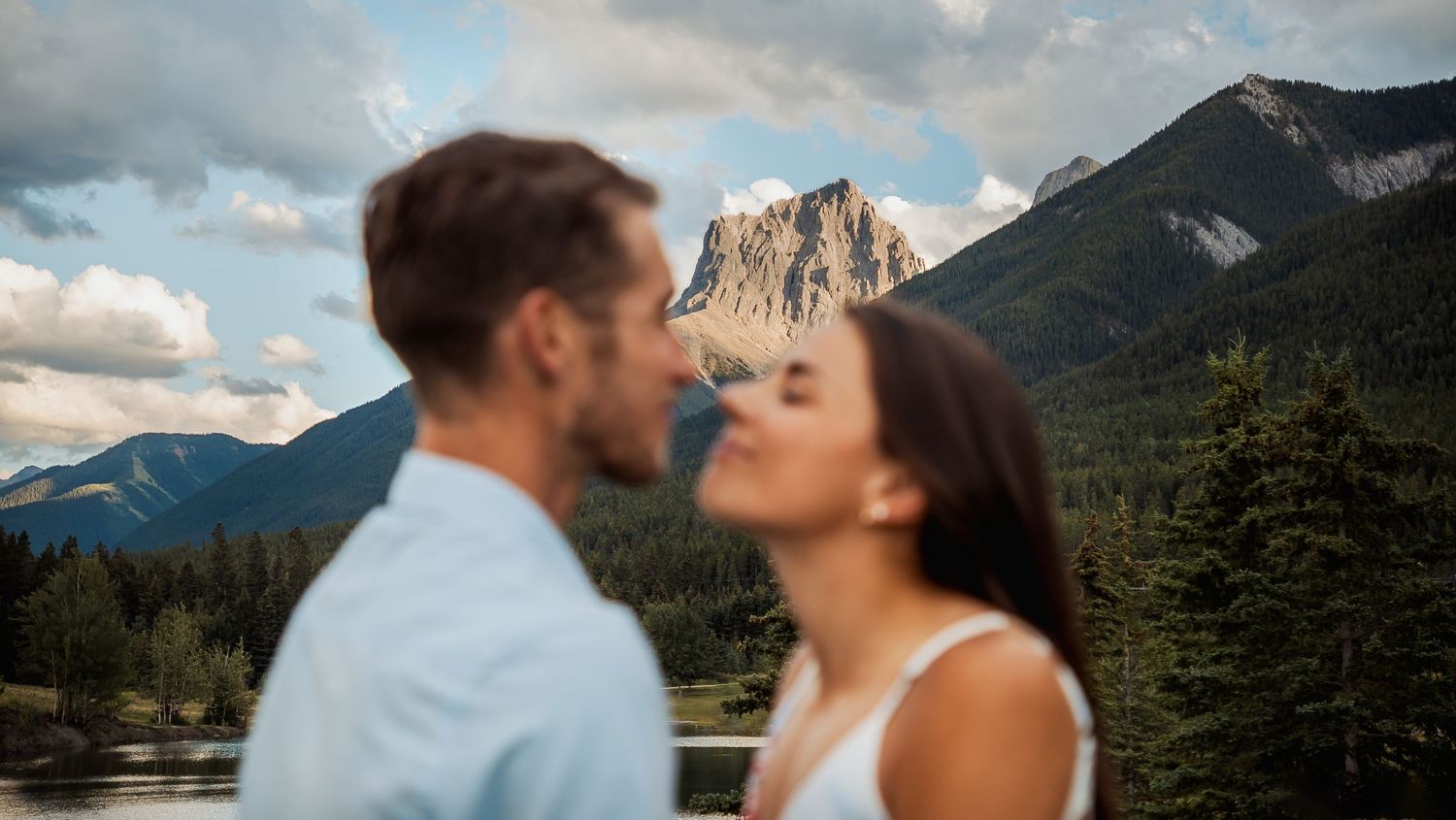
A complete guide for couples who want a wedding day that feels real, wild, and deeply intentional
Eloping in the Canadian Rockies isn’t about doing less. It’s about doing things on purpose.
It’s about standing together in the mountains, feeling the wind move through the valley, and choosing a wedding day that reflects who you are — not a timeline, not a checklist, not expectations.
This guide explains how to elope in the Canadian Rockies, step by step — from choosing the right location to understanding permits, seasons, logistics, and what your elopement day can truly become.
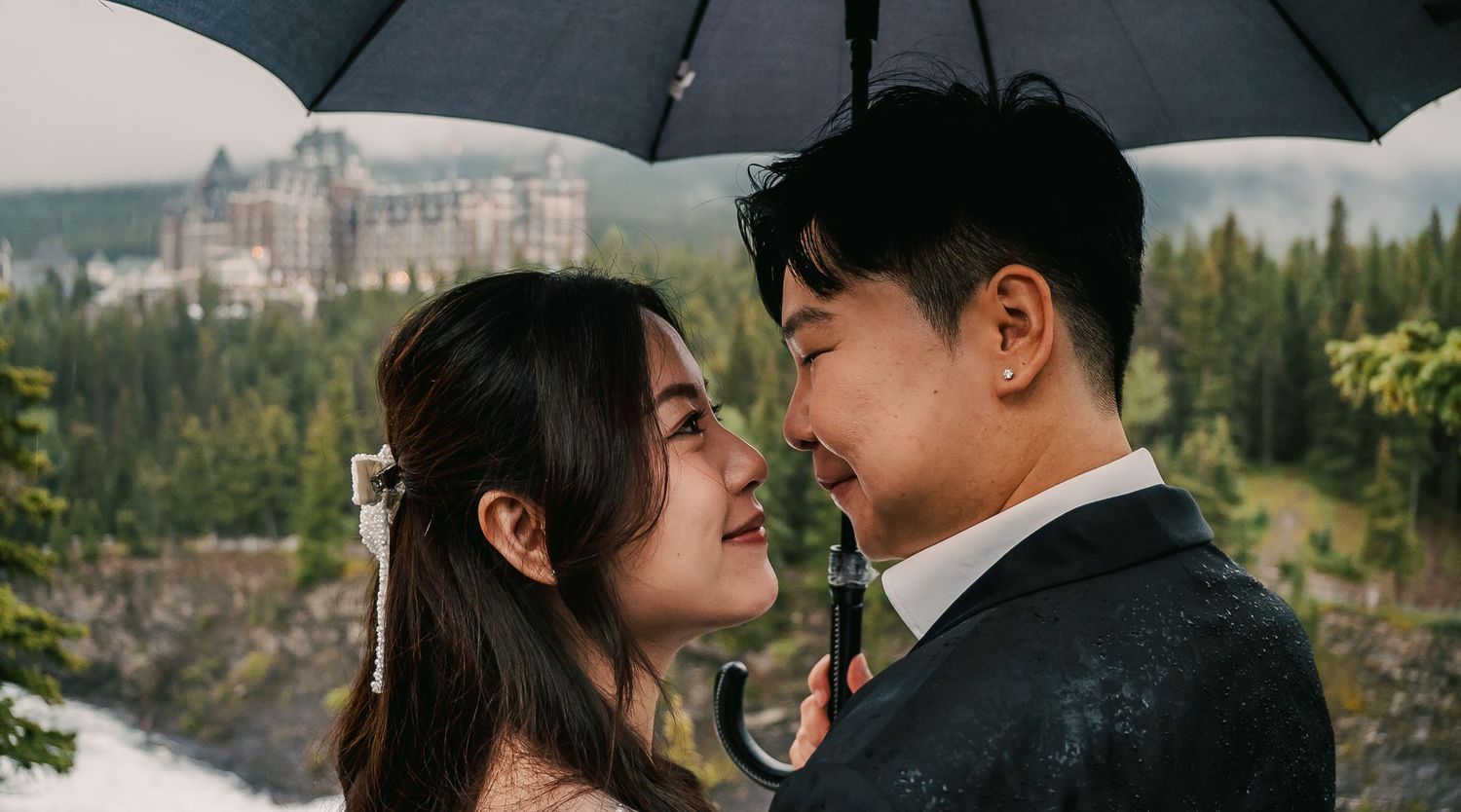
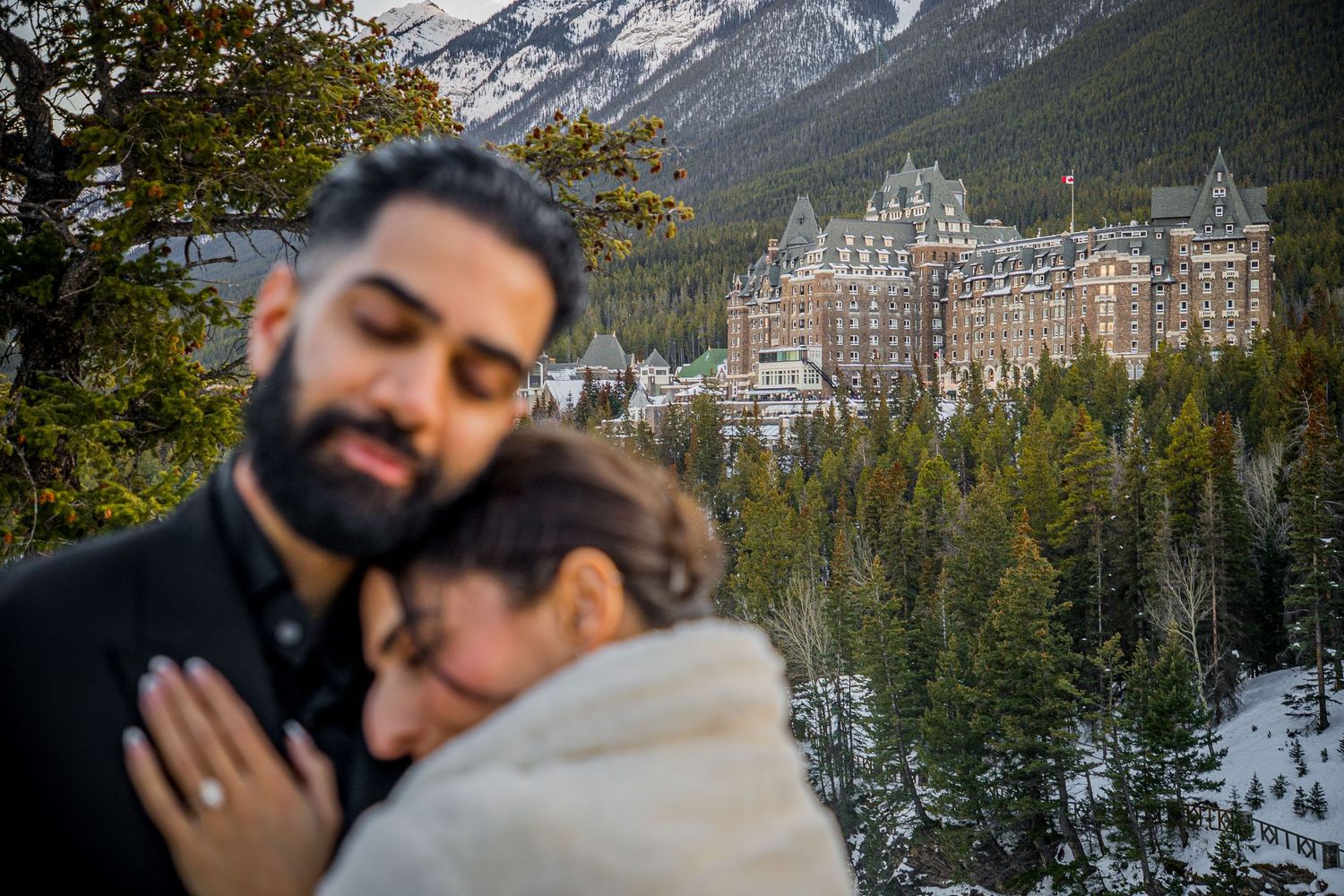
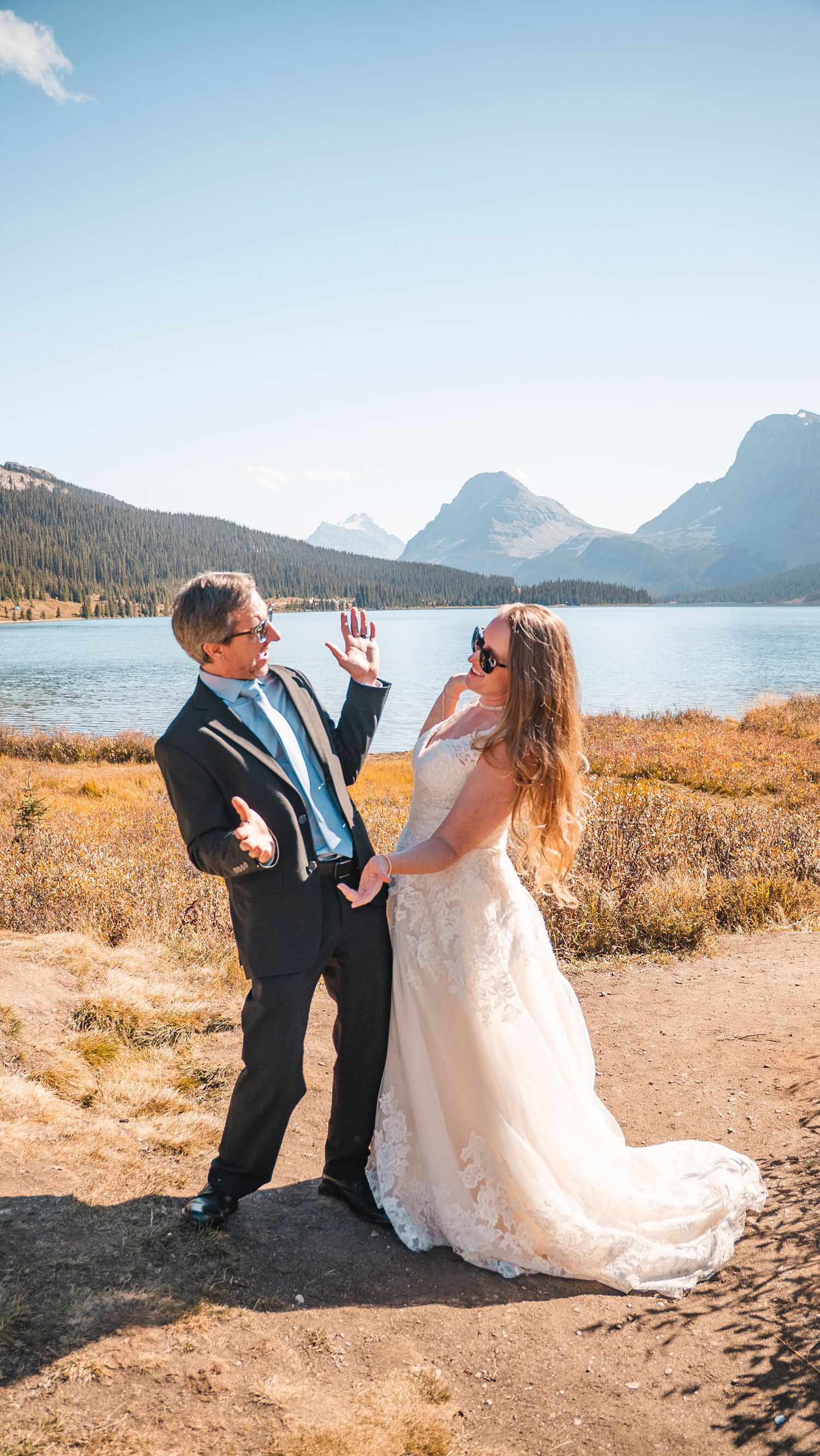
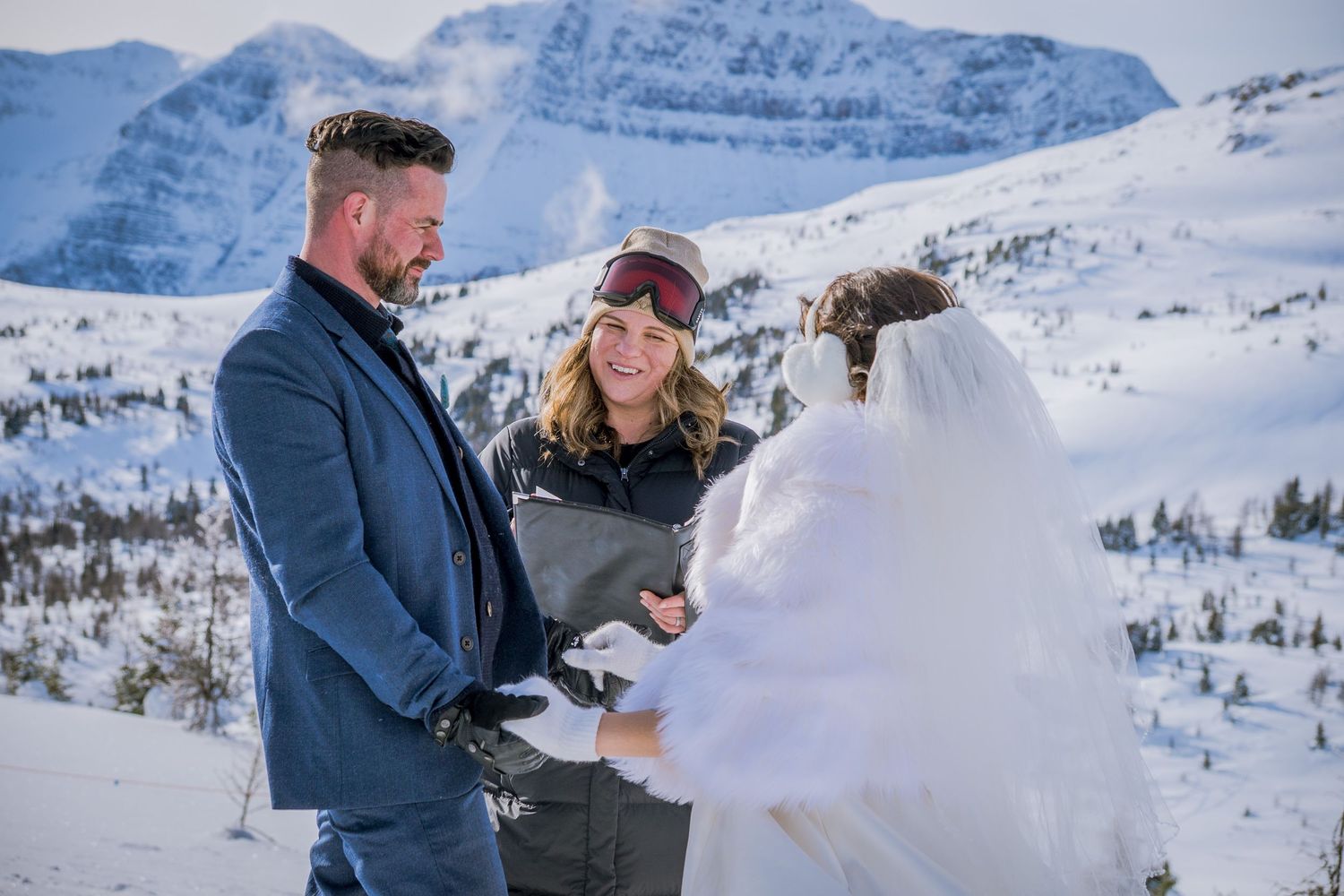
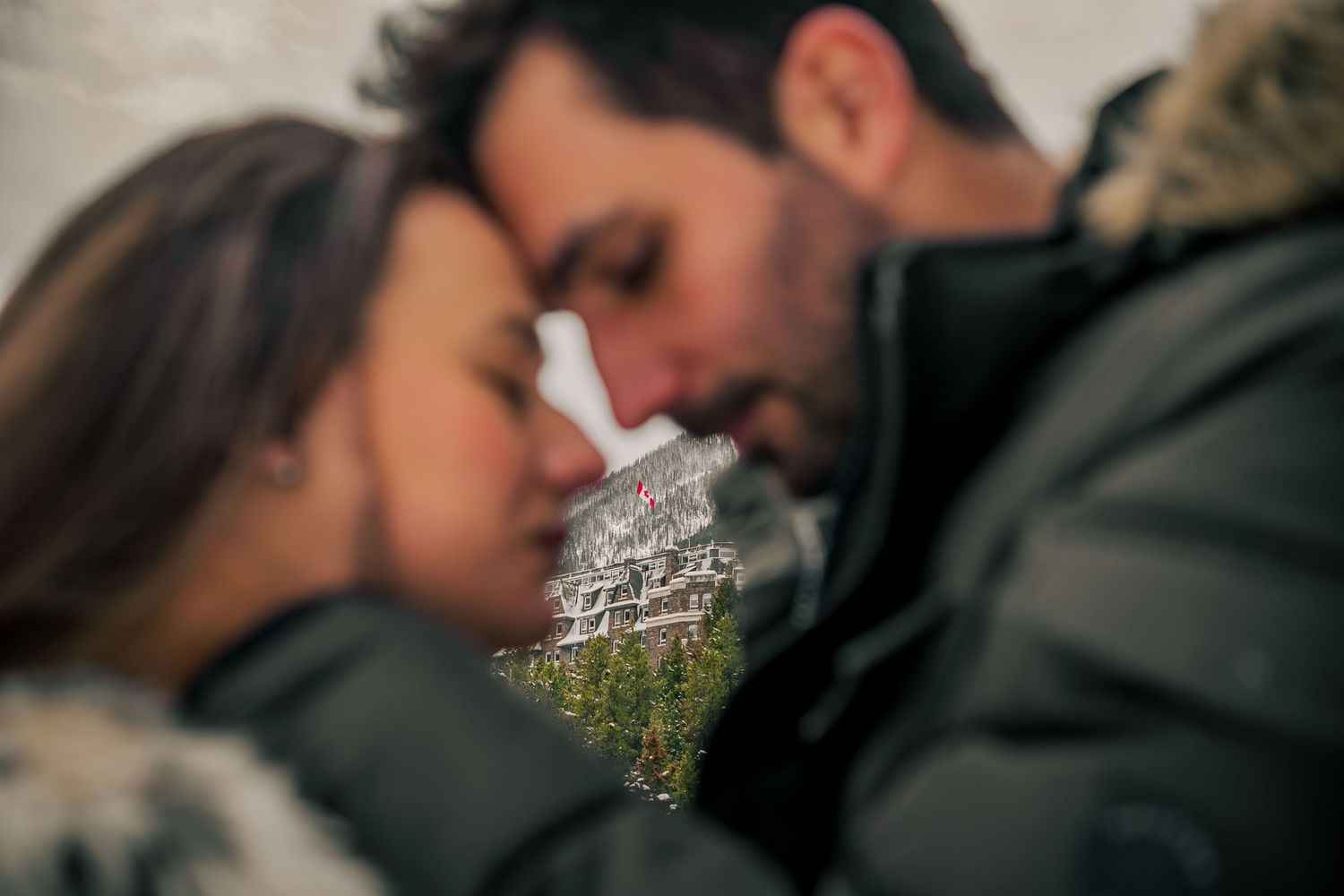
Why Elope in the Canadian Rockies?
The Canadian Rockies offer something rare: vastness and intimacy at the same time.
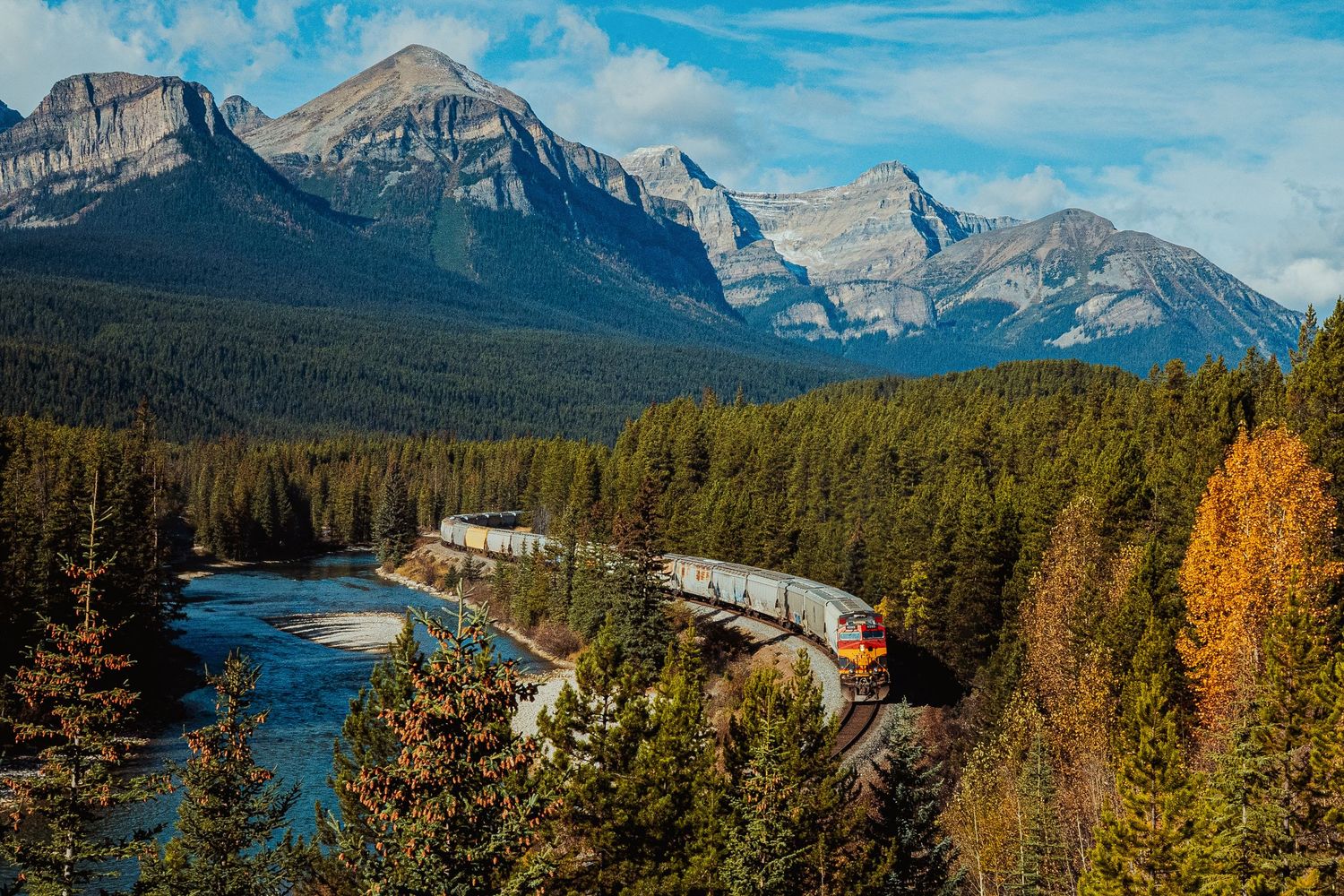
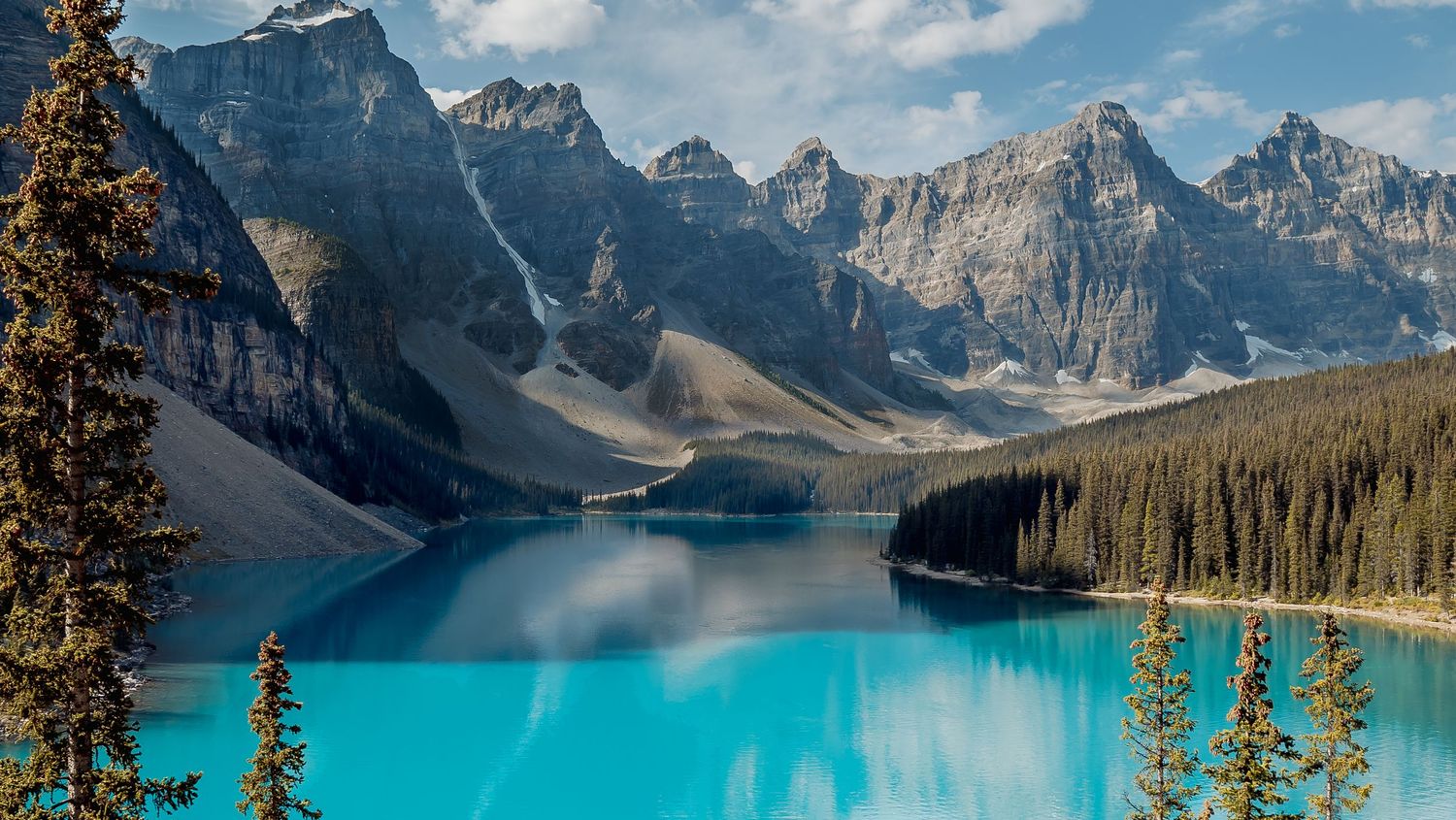
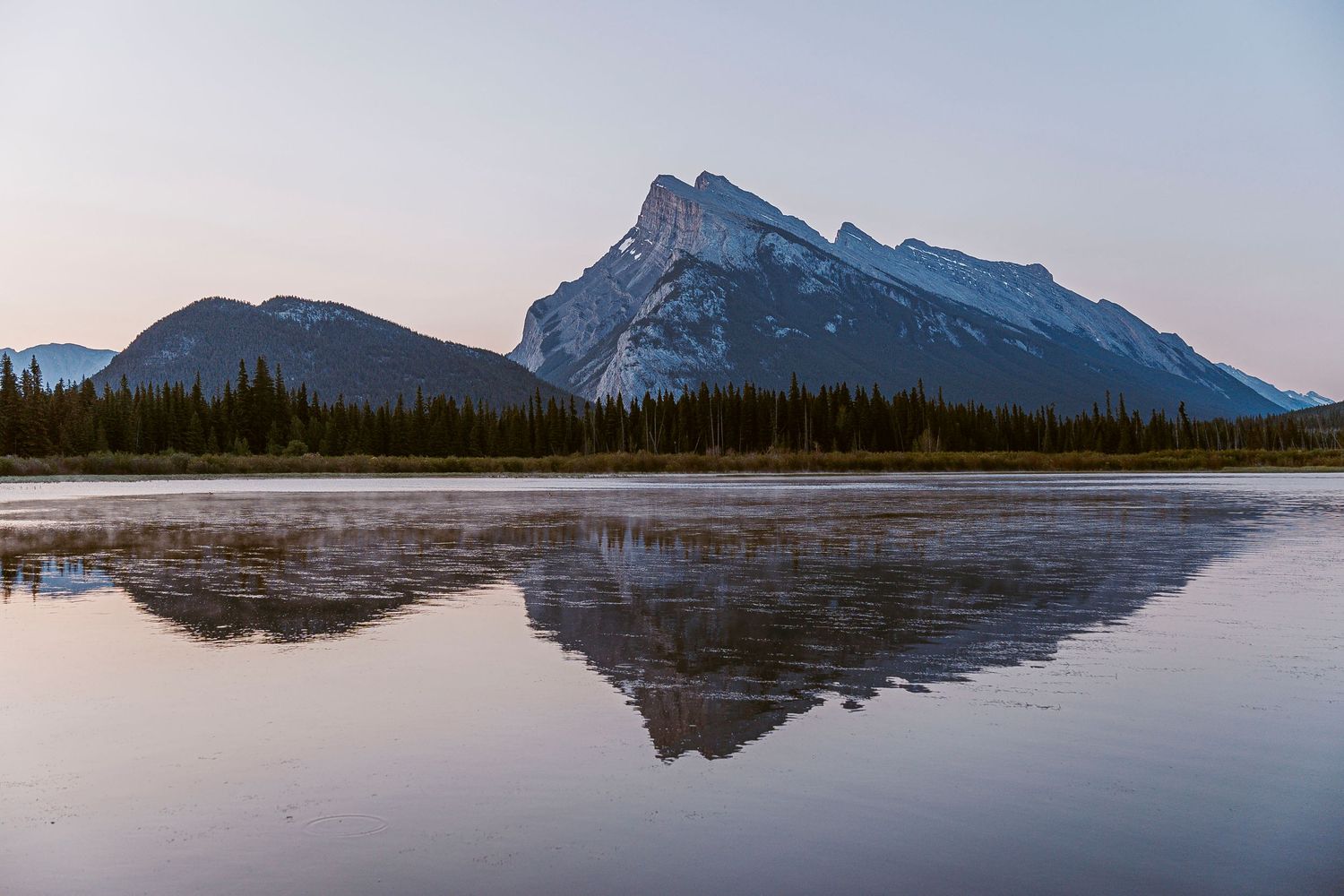
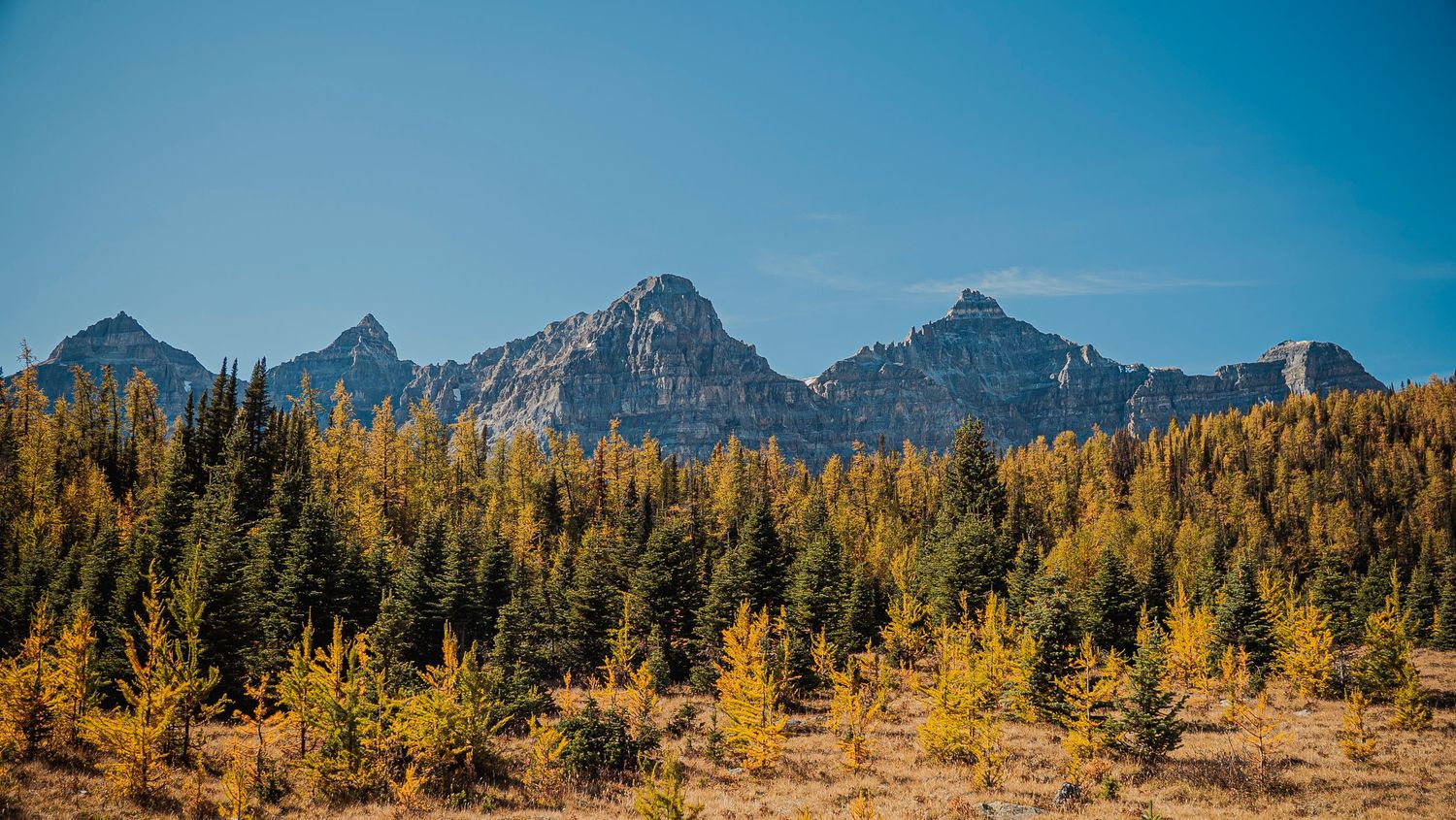
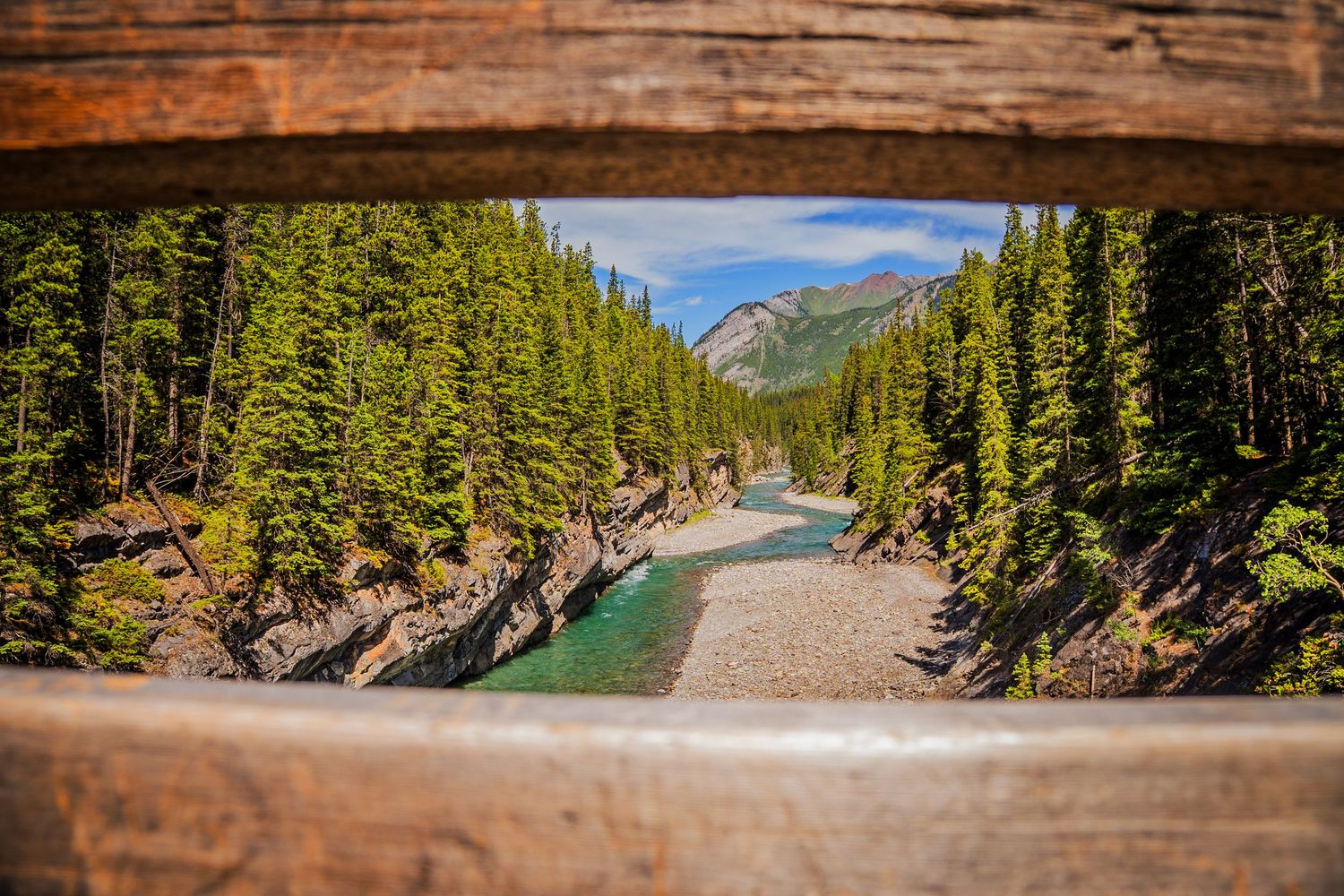
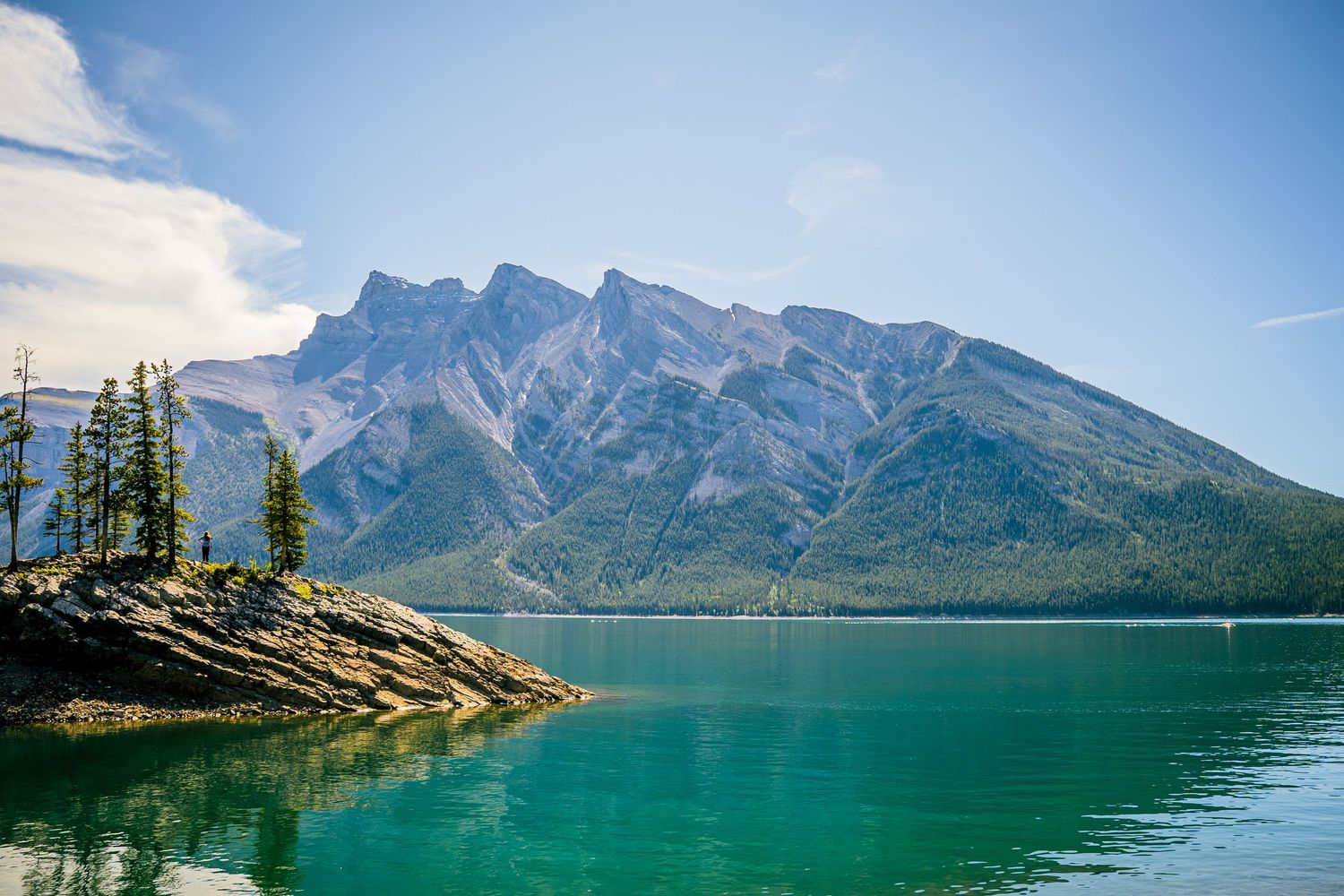
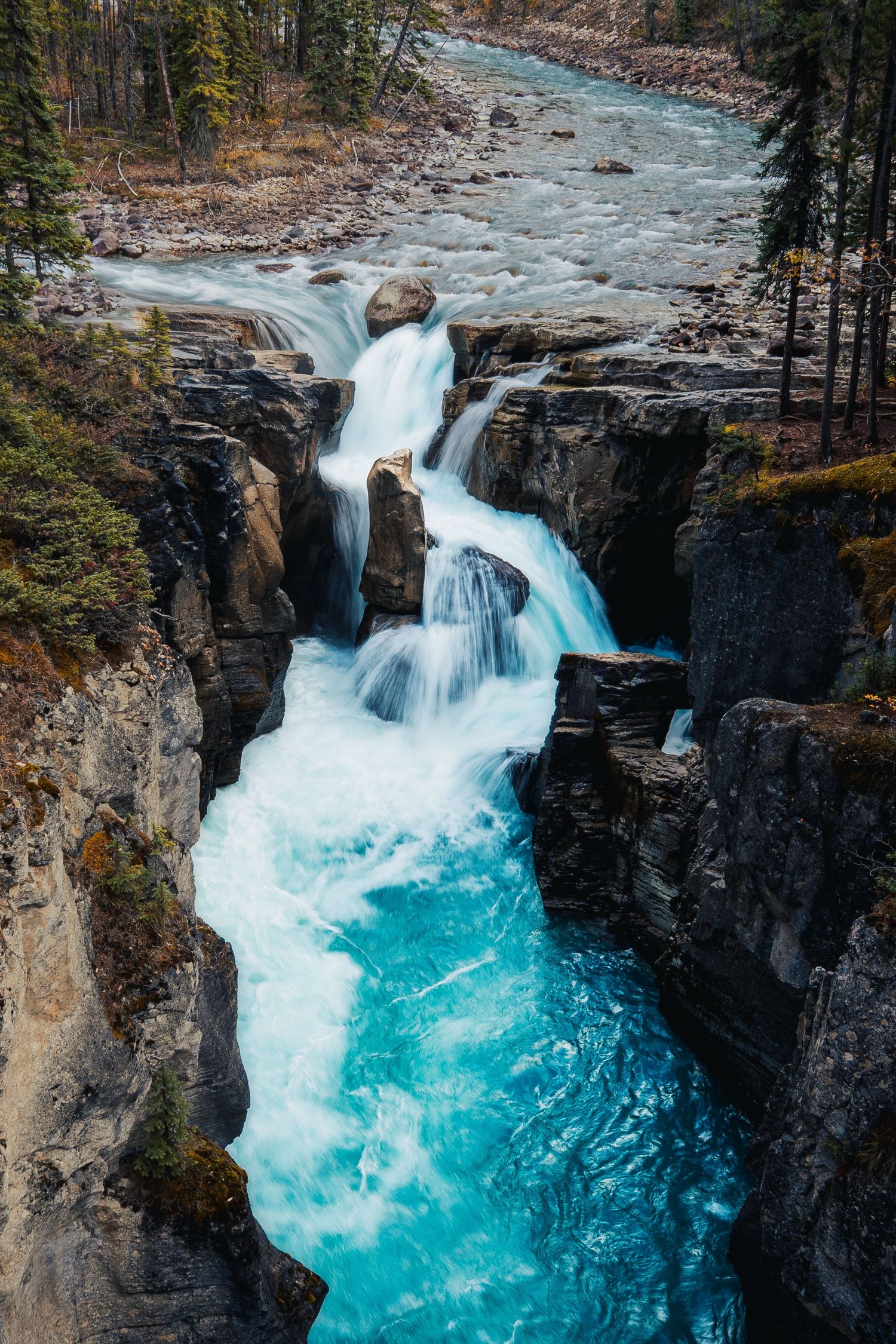
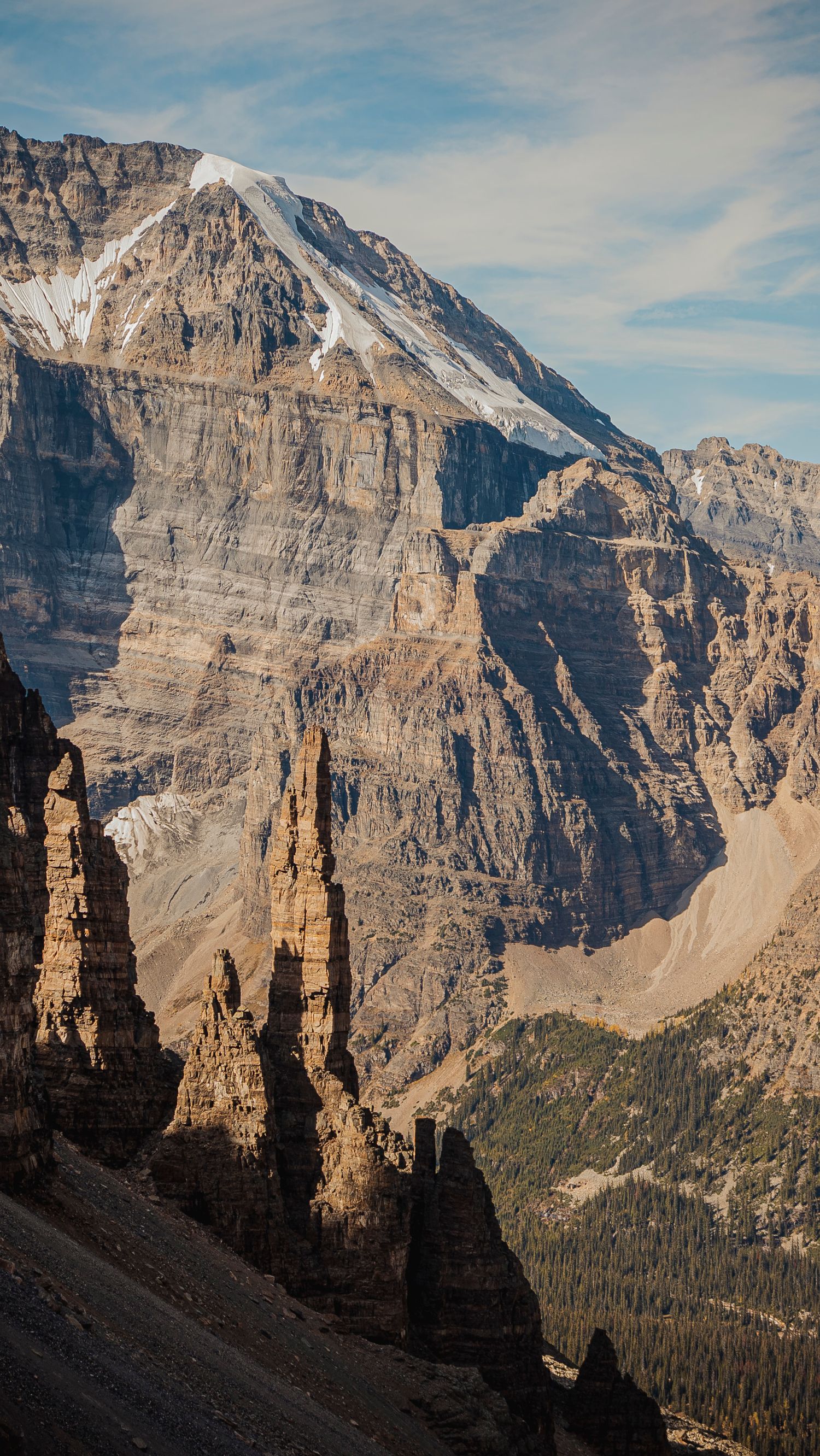
Turquoise lakes, dramatic peaks, changing weather, and quiet moments that feel earned — places like Banff National Park, Kananaskis Country, and Yoho National Park naturally slow you down.
Couples who choose to elope here are usually looking for:
- Fewer people, more meanin
- Nature instead of venues
- A calm, unrushed wedding day
- Space to actually feel the moment
The mountains don’t rush — and neither should your wedding.
What Does “Eloping” Actually Mean?
Eloping doesn’t mean running away in secret.
In Canada, elopements are intentional, intimate weddings — often just the two of you, or a handful of loved ones — designed around experience rather than tradition.
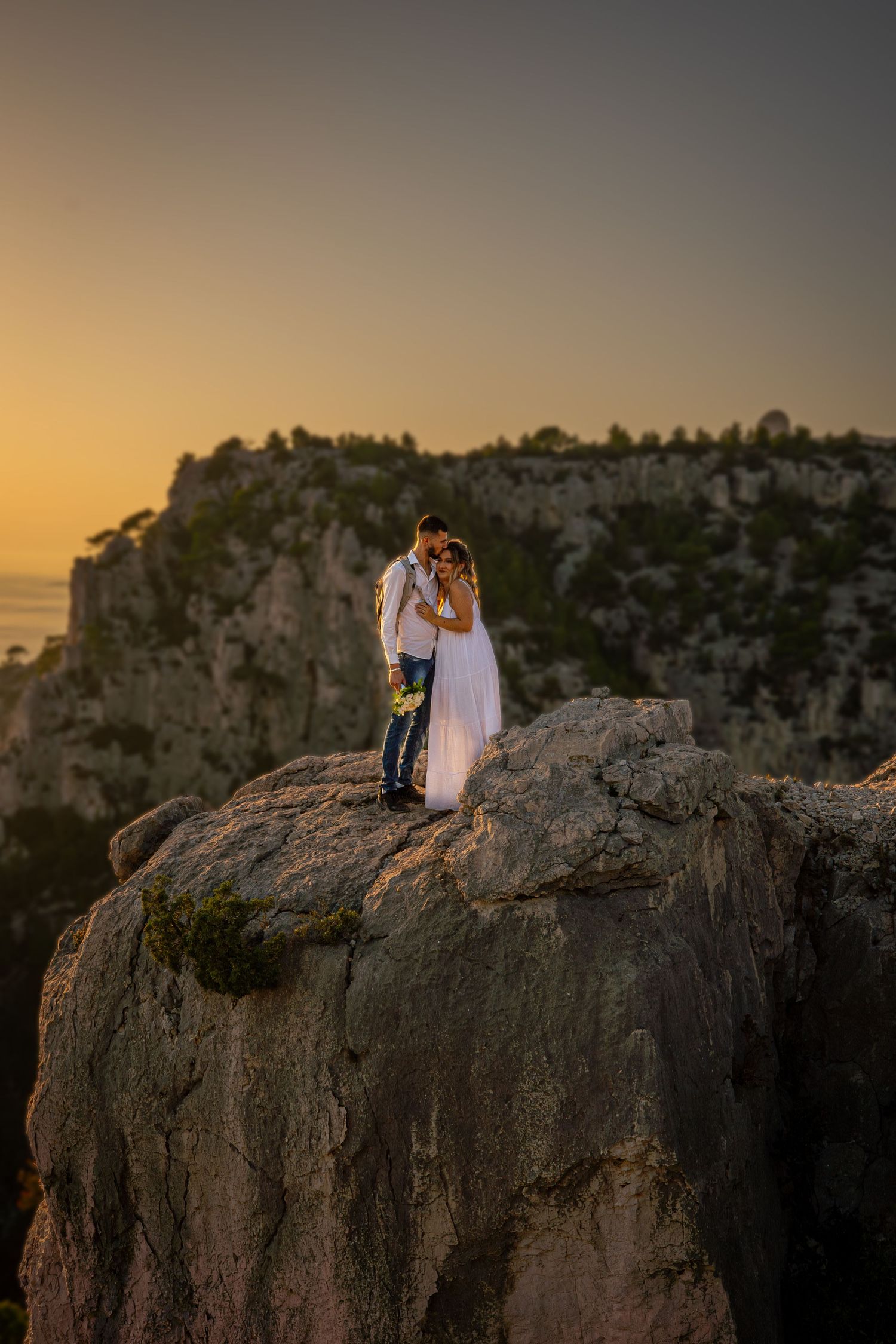
A sunrise hike or quiet morning walk
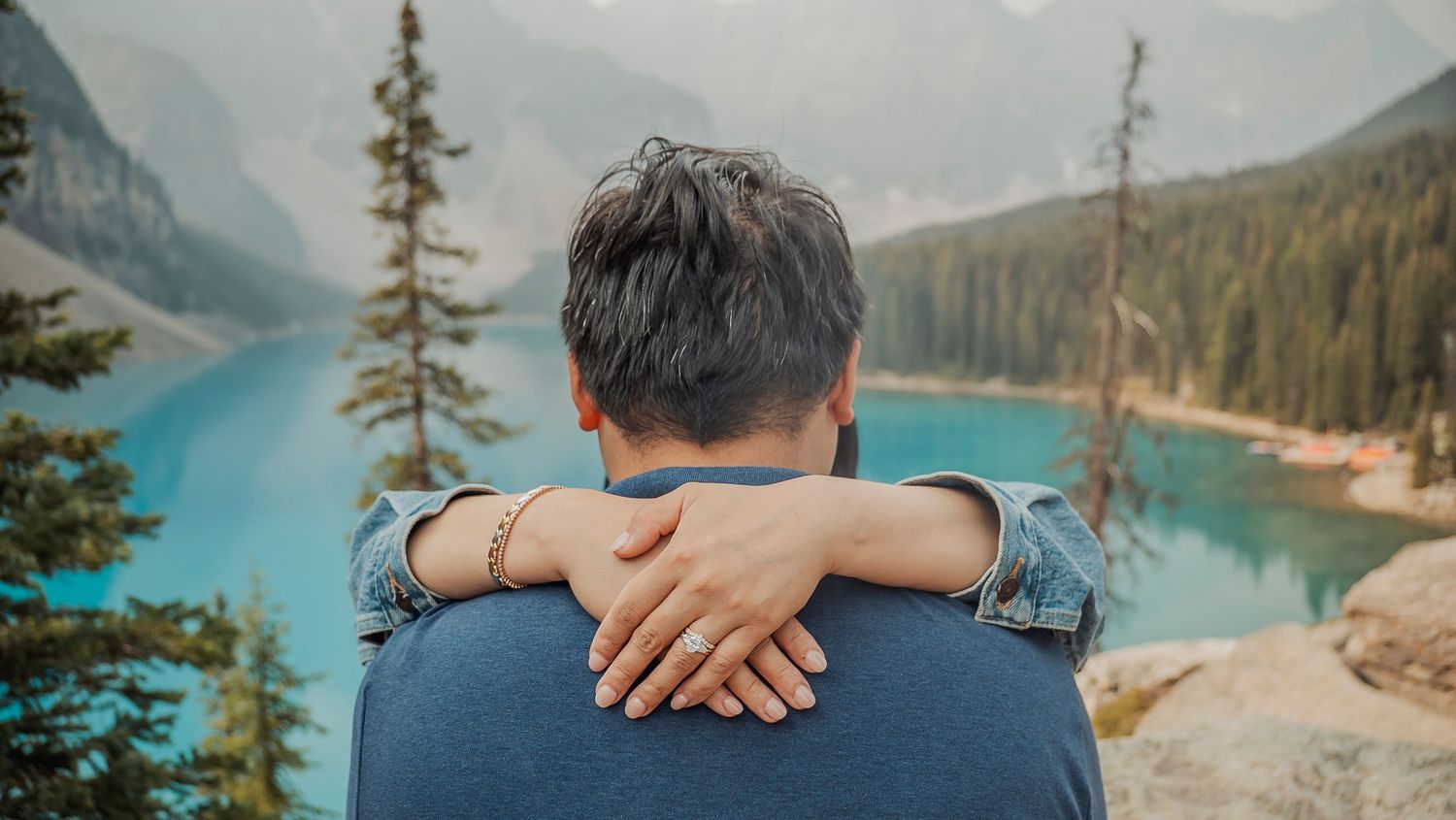
A private lakeside ceremony
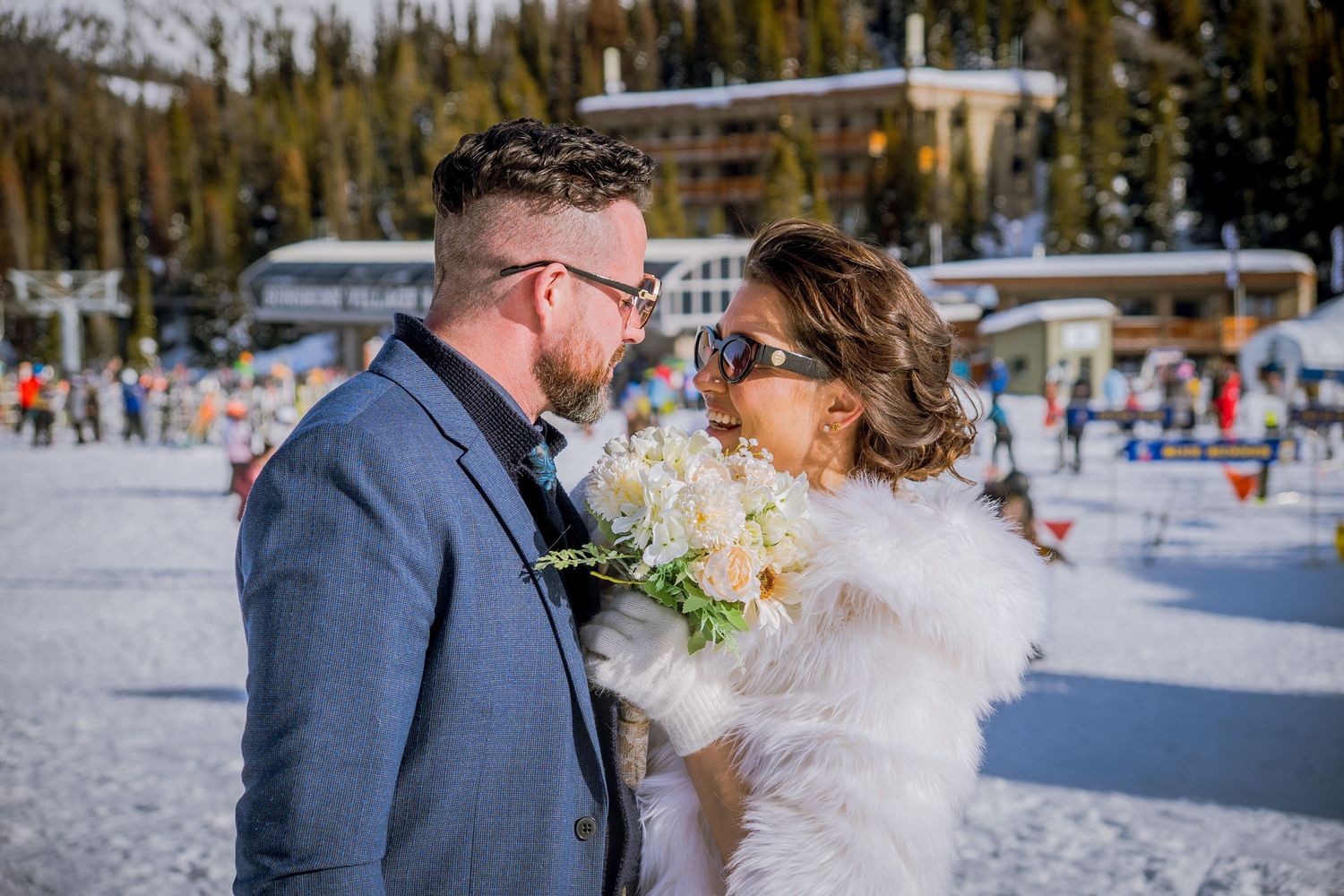
Time to pause, breathe, and connect
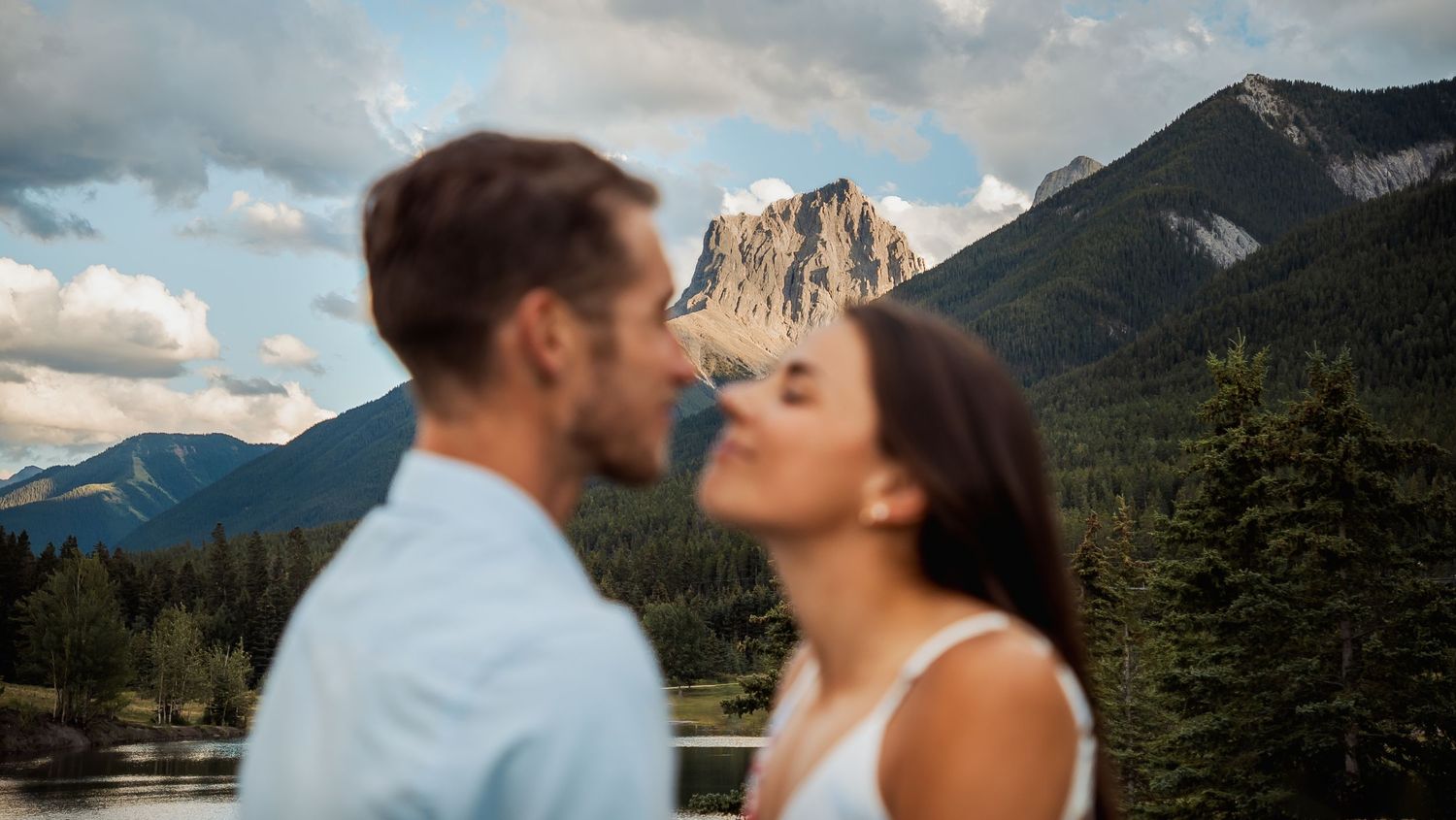
An adventure that feels natural, not staged
There’s no script. No pressure. Just presence.
This philosophy is exactly what the Wild Elopement Experience is built around.
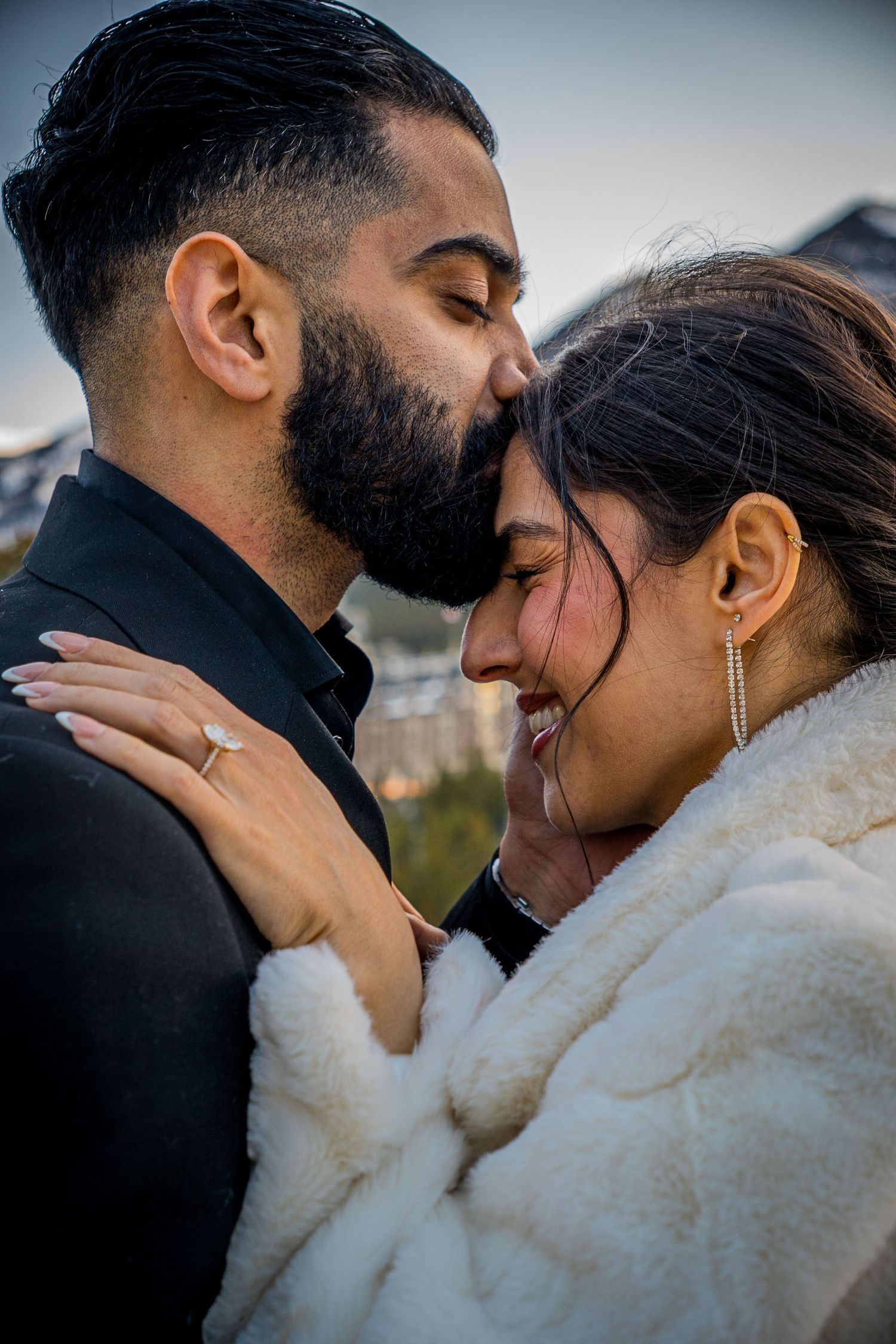
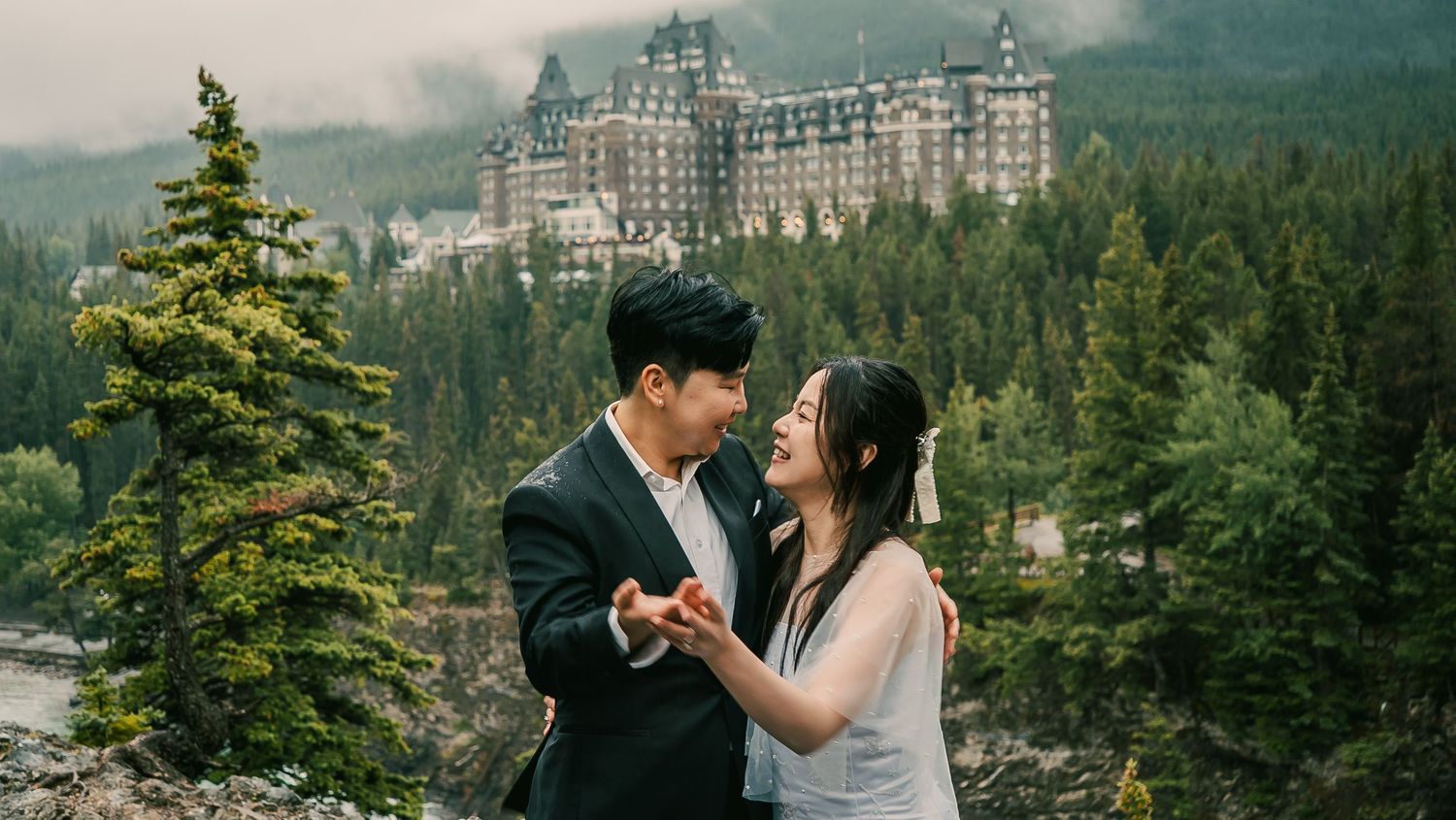
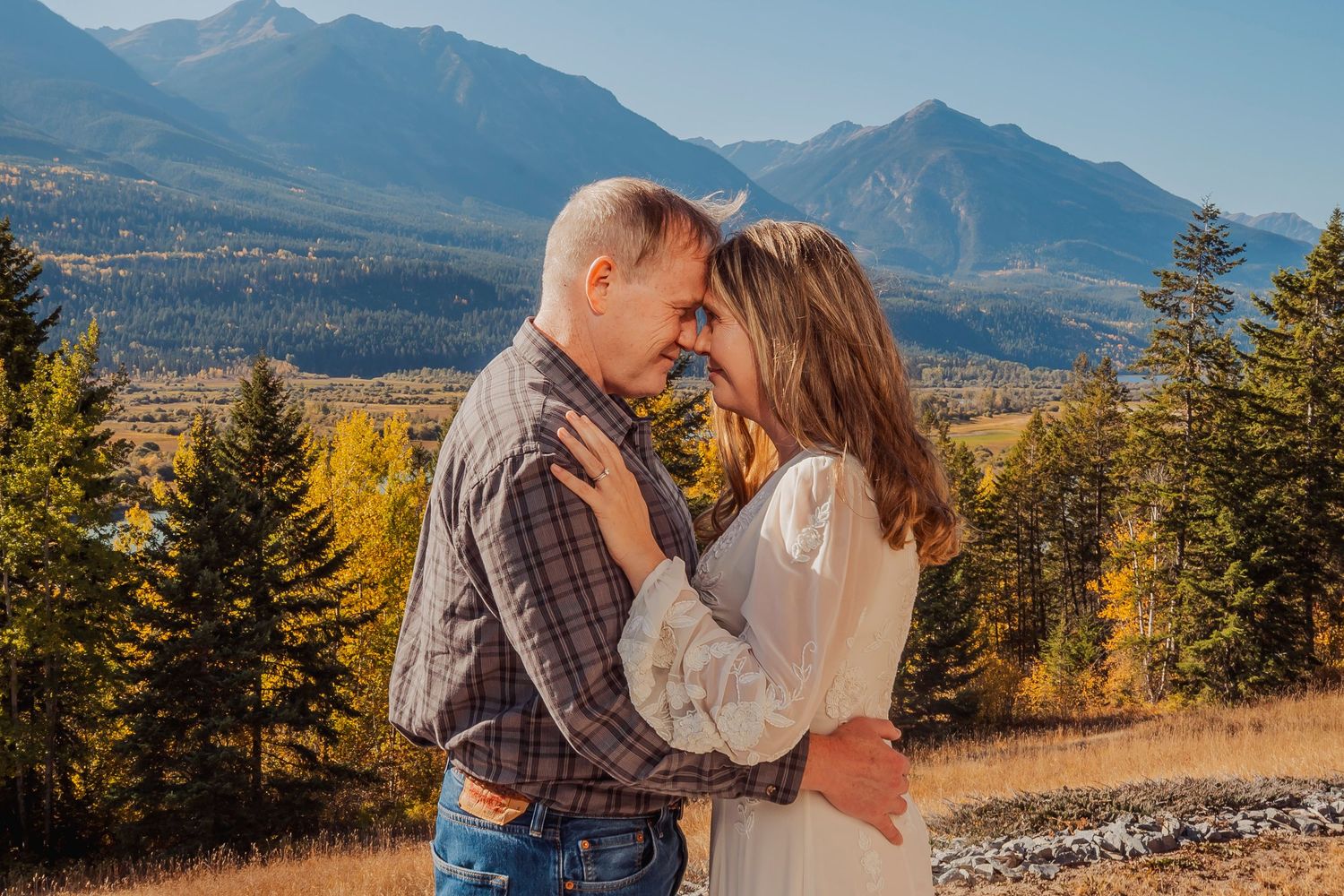
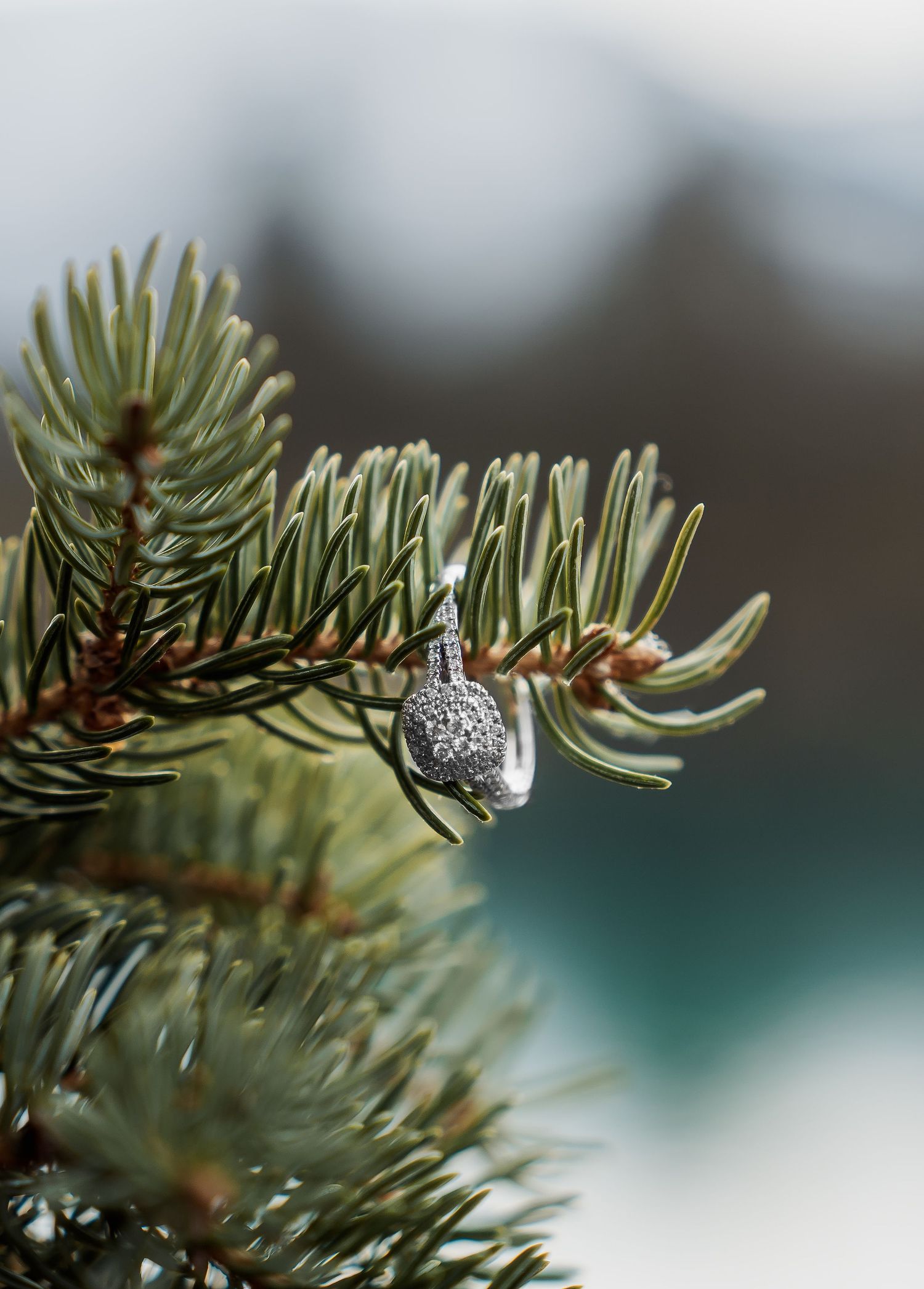
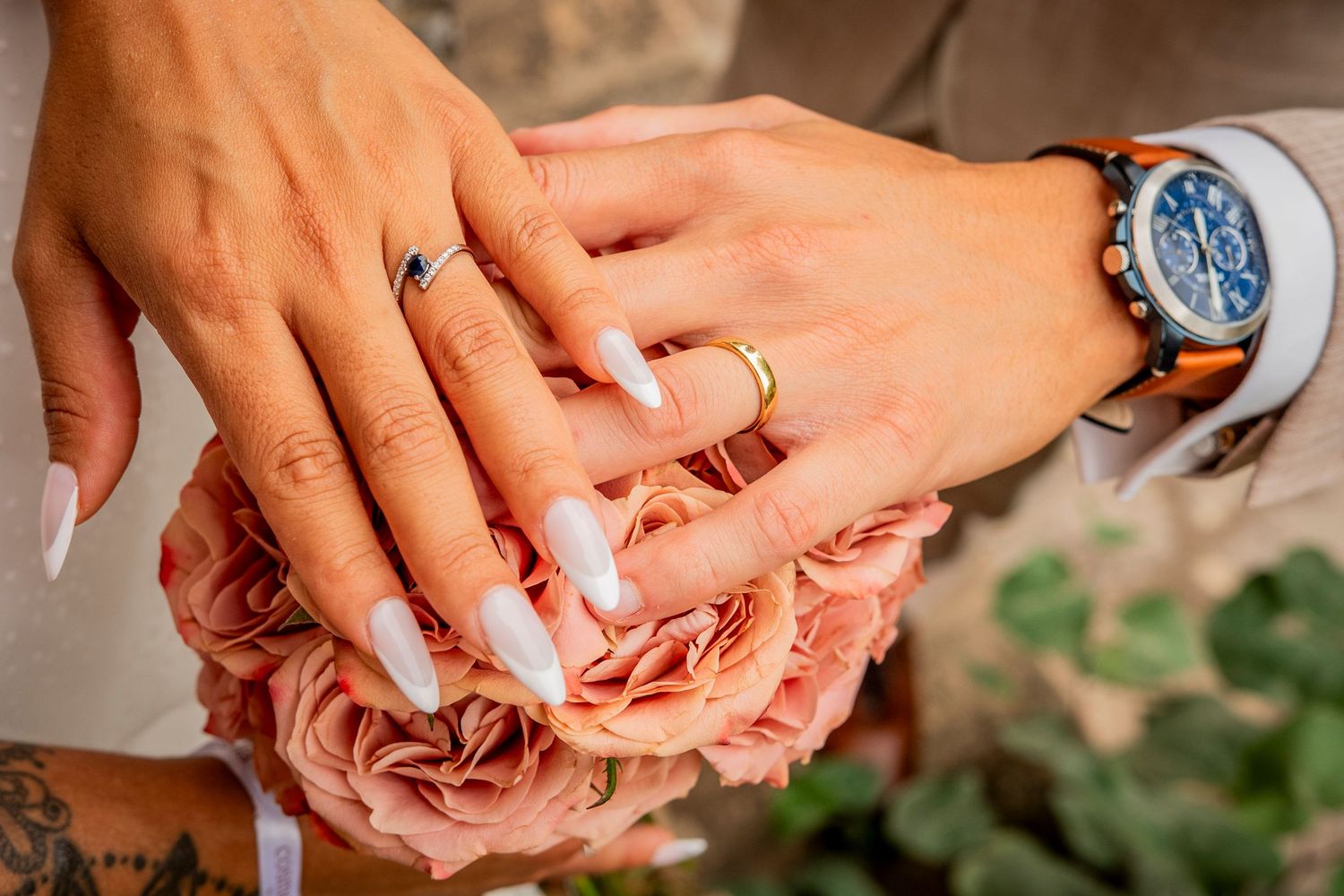
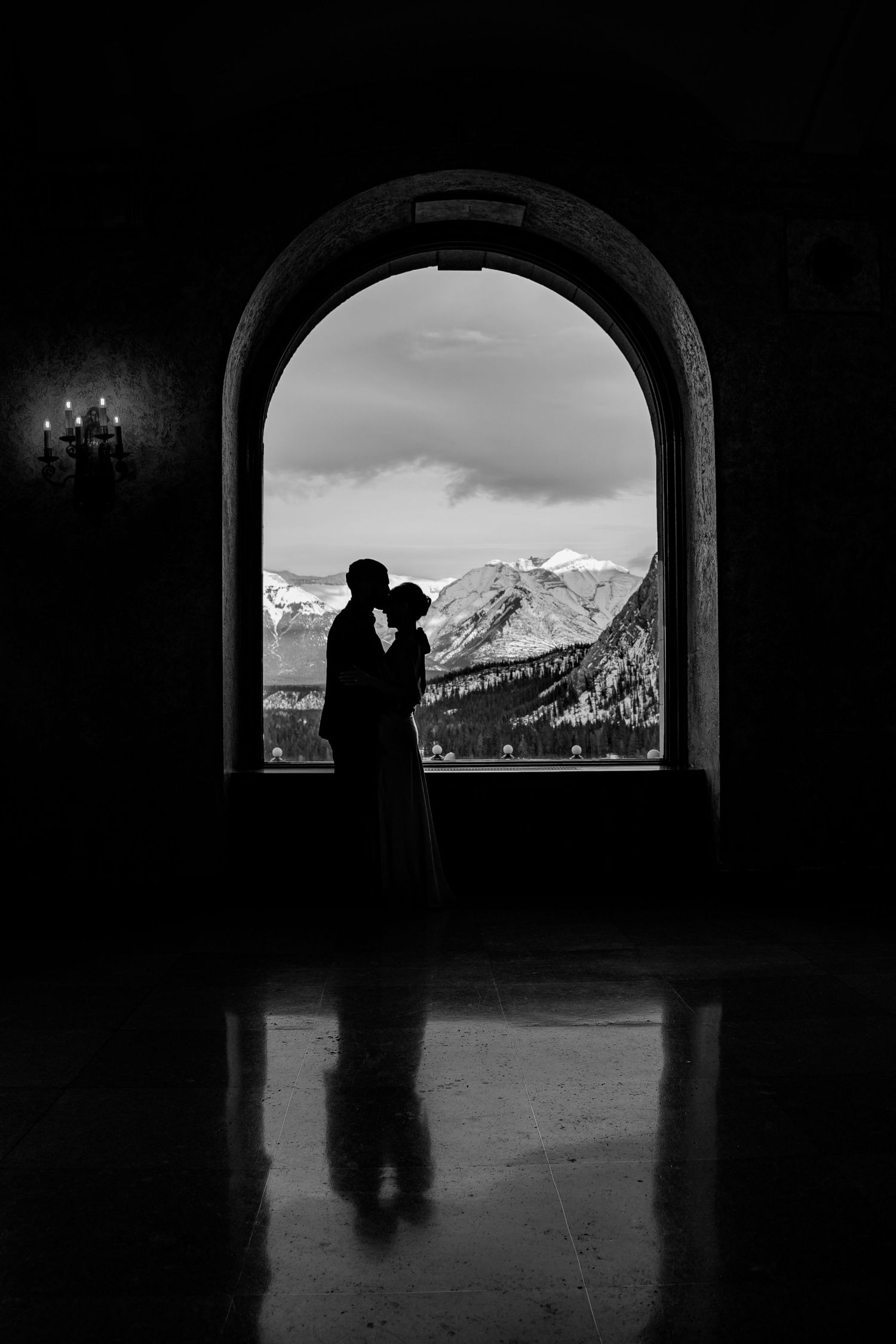
The Wild Elopement Experience
From planning to final images, everything is designed so you can focus on being together, not figuring things out.
The Best Places to Elope in the Canadian Rockies
Choosing the right location matters more than choosing the most famous one.
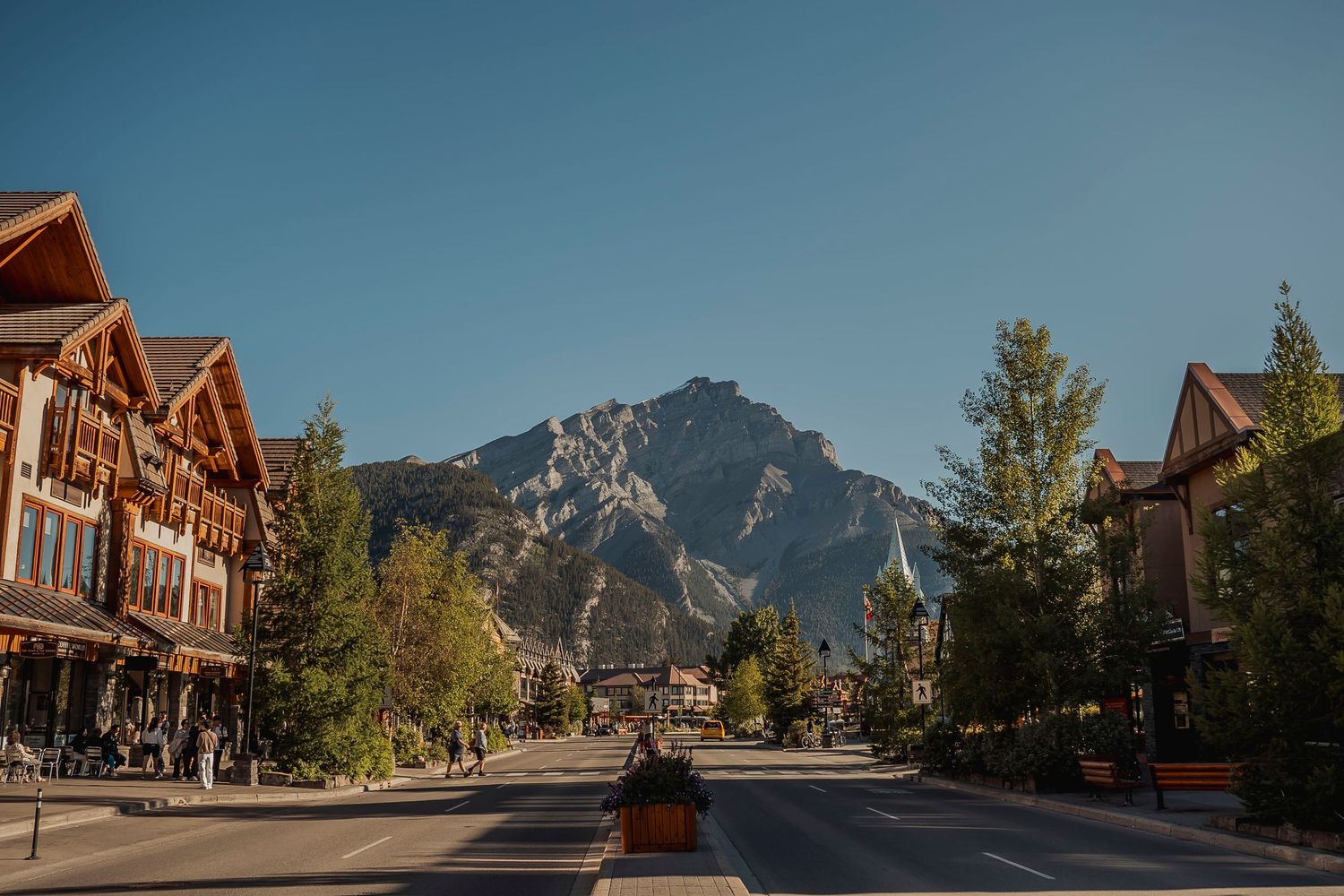
Banff & Lake Louise
Iconic, cinematic, and unforgettable — but also busy.
Best for couples who:
Love alpine lakes and grand mountain scenery
Are open to early mornings or quieter alternatives
Want guidance navigating permits and timing
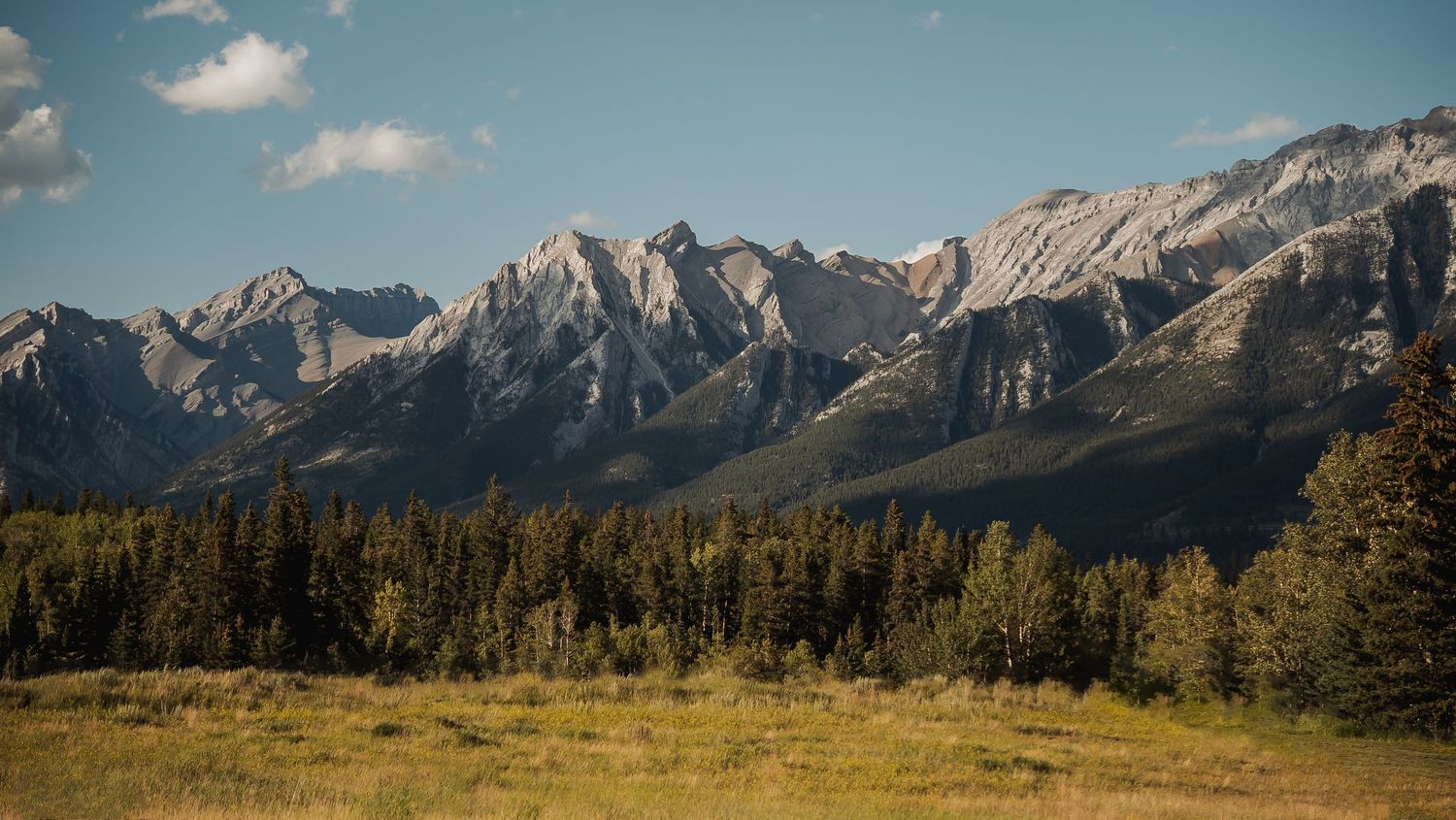
Kananaskis Country
Rugged, wild, and less crowded.
Perfect for couples who:
Want privacy and space
Love adventure and exploration
Are open to hiking or remote locations
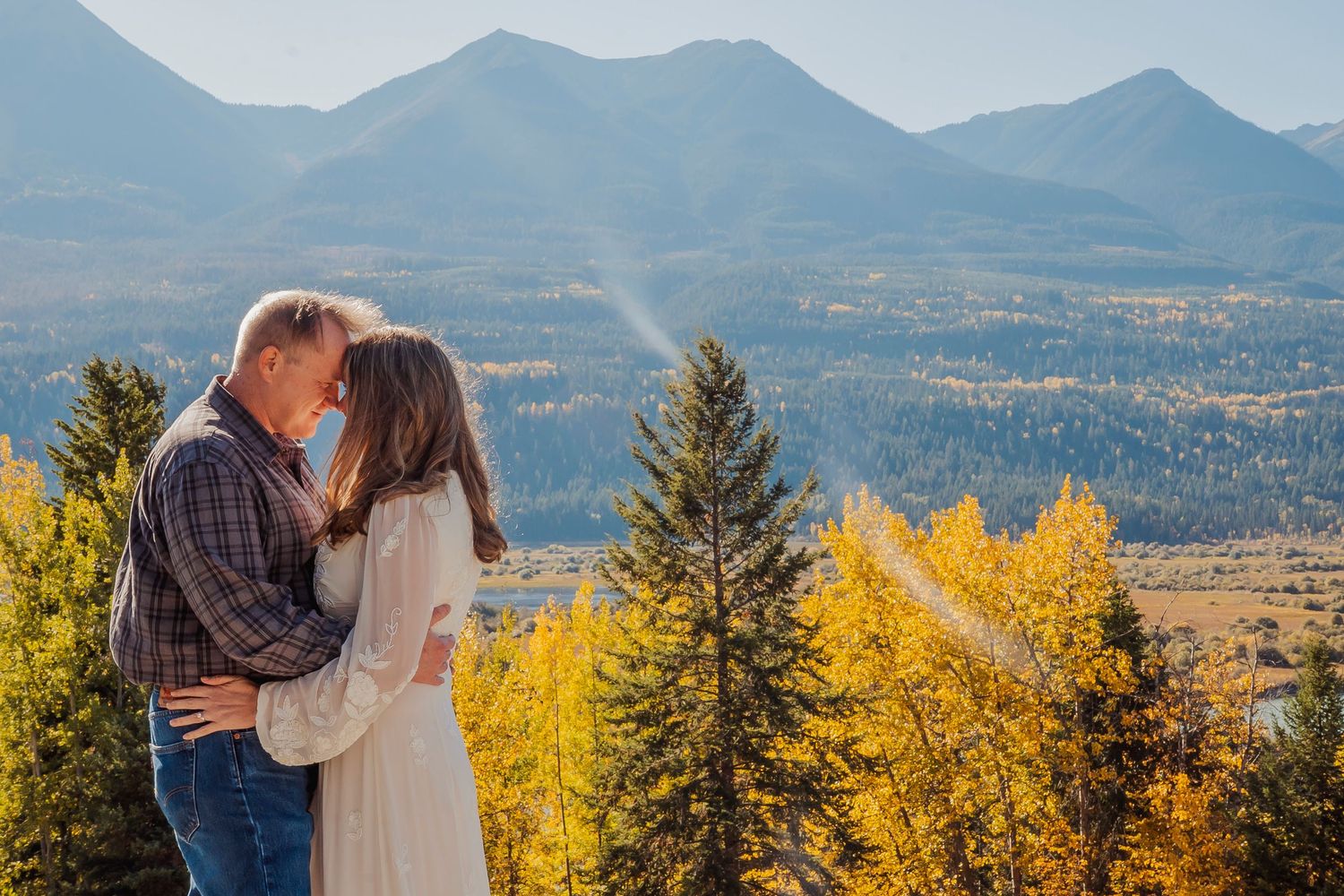
Yoho National Park
Waterfalls, cliffs, and raw mountain energy.
Ideal if you:
Want dramatic landscapes without Banff-level crowds
Value quiet, intimate ceremonies
Love variety in a compact area
An experienced elopement photographer helps you choose locations that feel right, not just look good online.
Legal Requirements to Elope in Alberta
Eloping in Canada is refreshingly simple.
You’ll need:
- A valid Alberta marriage licence
- A licensed officiant
- Two witnesses
You do not need to be Canadian or a resident
Most couples handle this easily with a little guidance early on — no stress, no surprises.
Permits & National Park Rules
Many elopement locations in the Rockies are protected.
In areas managed by Parks Canada, ceremonies usually require:
- A wedding or elopement permit
- Approved ceremony locations
- Group size limits
Rules vary depending on the area, season, and environmental sensitivity. Understanding this ahead of time protects both your experience and the landscapes themselves.
When Is the Best Time to Elope in the Canadian Rockies?
There’s no single “best” season — only what suits you.
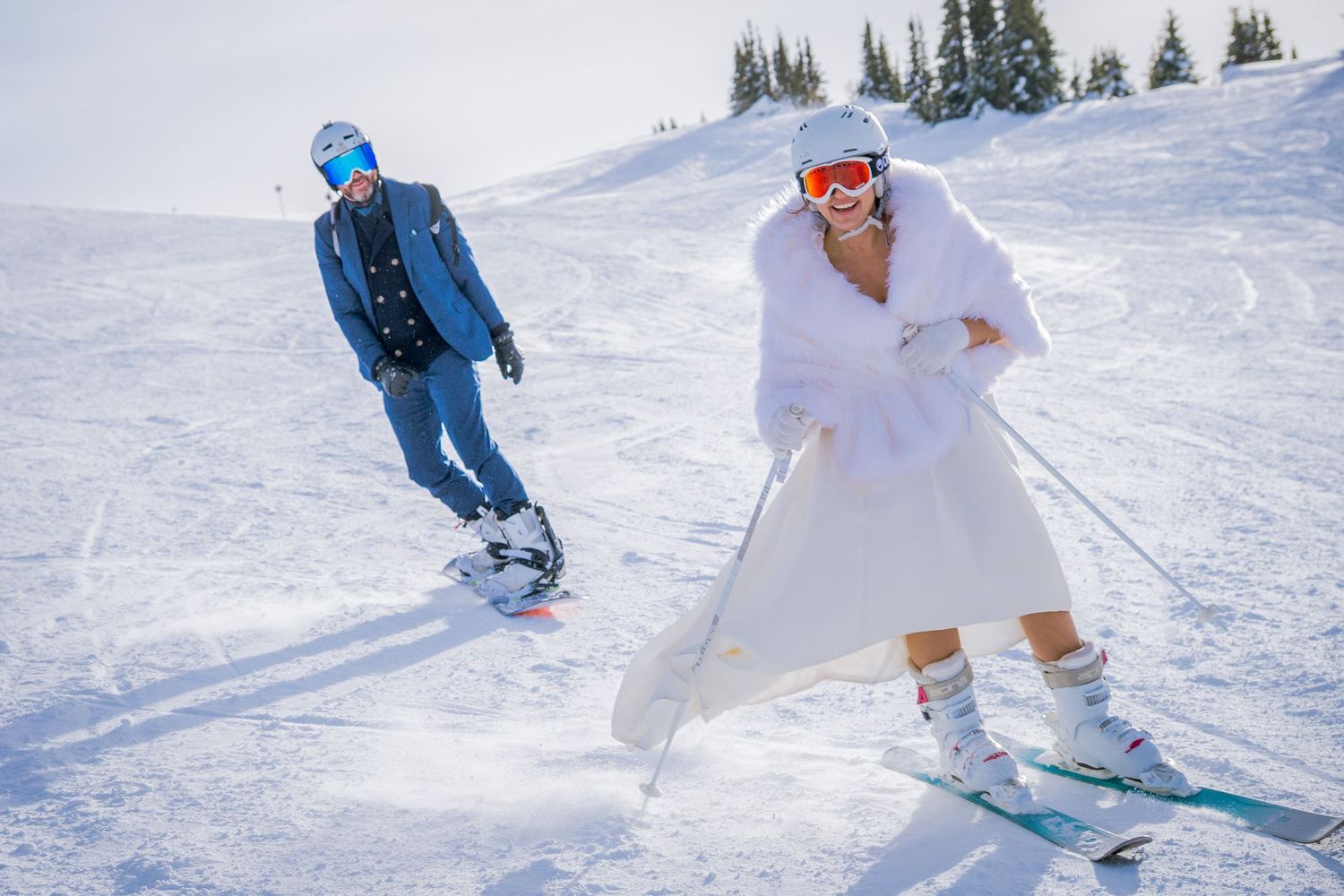
Winter (November–April)
Quiet, snowy, and incredibly intimate. Cold, but cinematic.
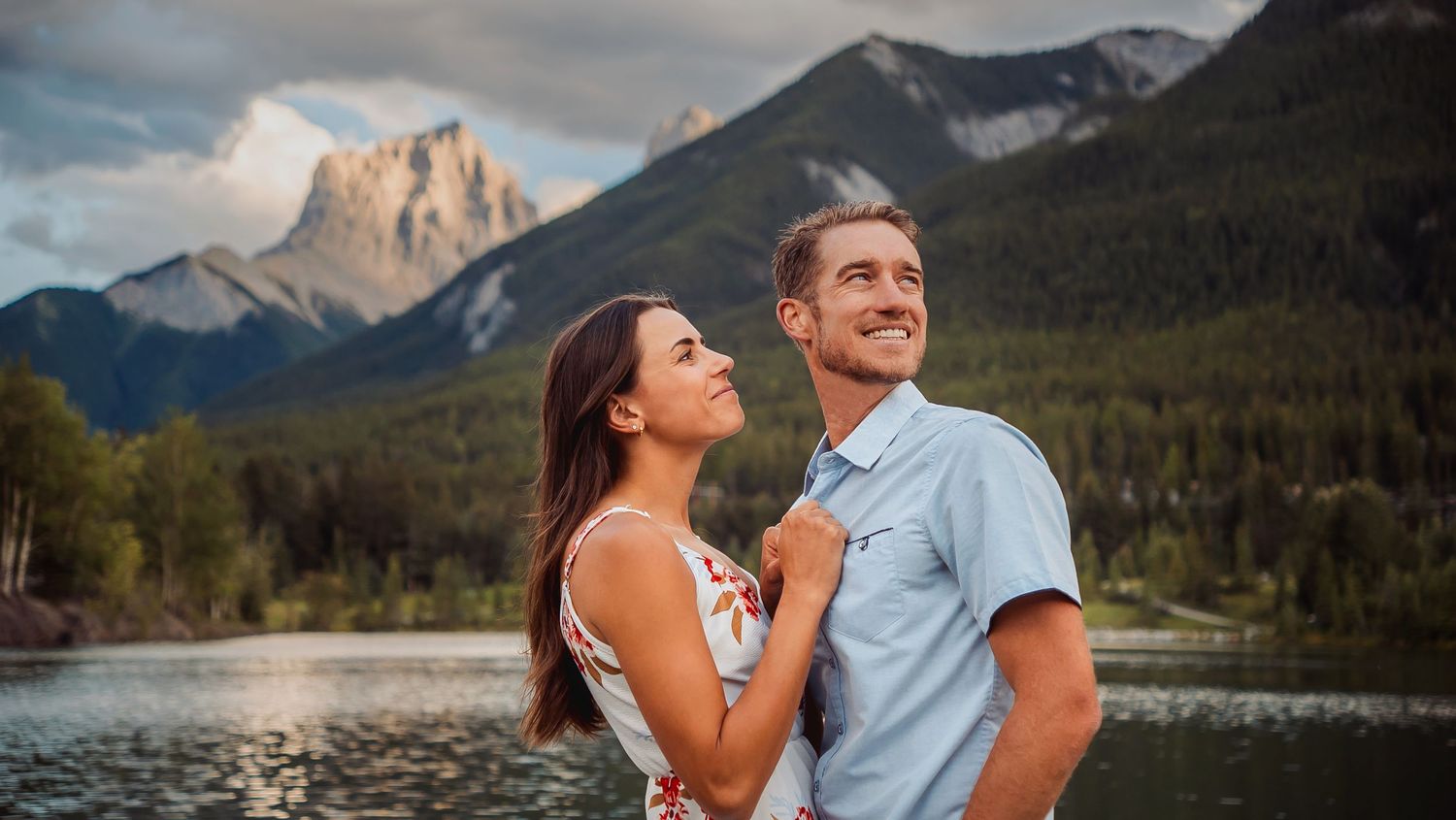
Summer (June–September)
Long days and full access to trails and lakes. More visitors, more planning required.
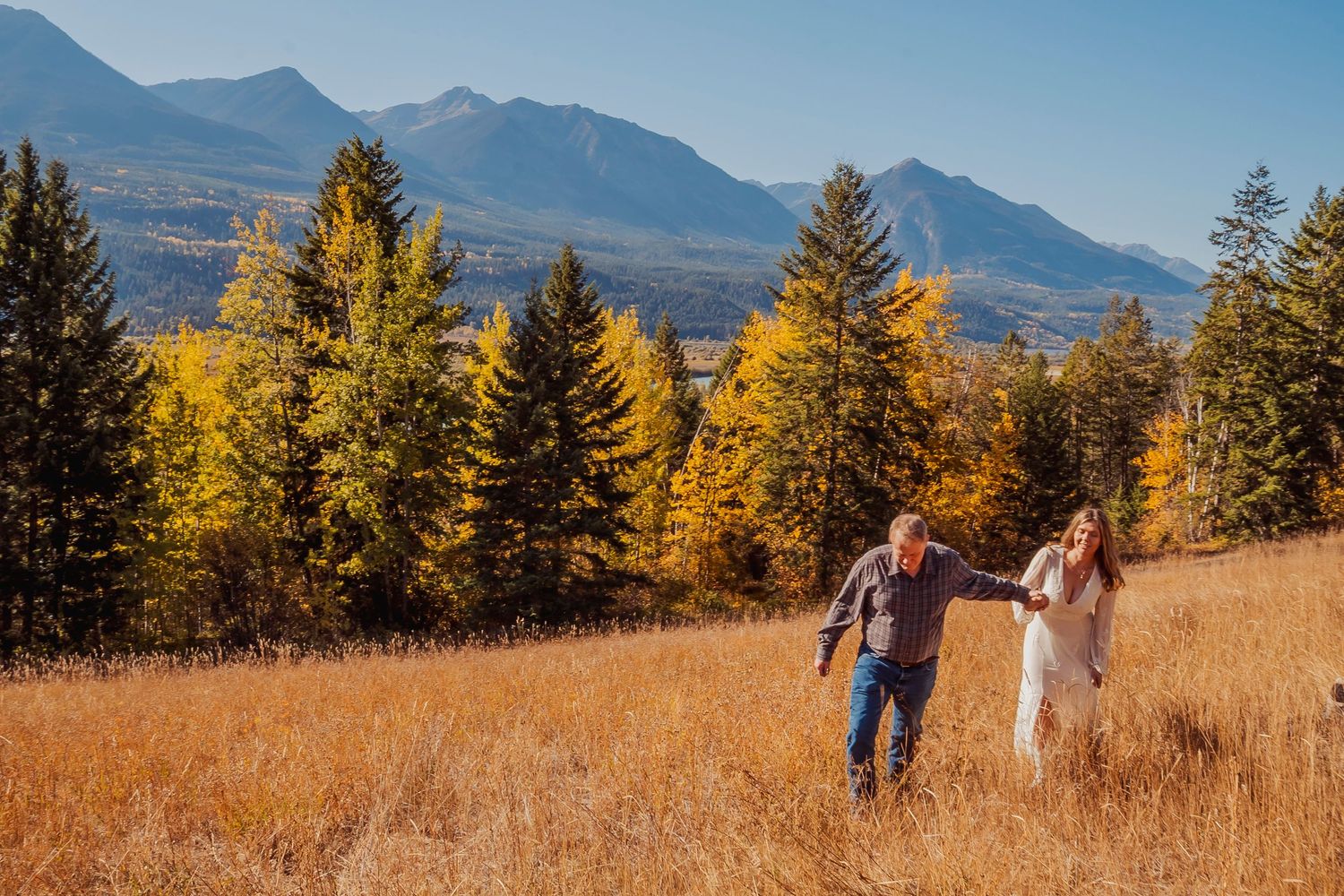
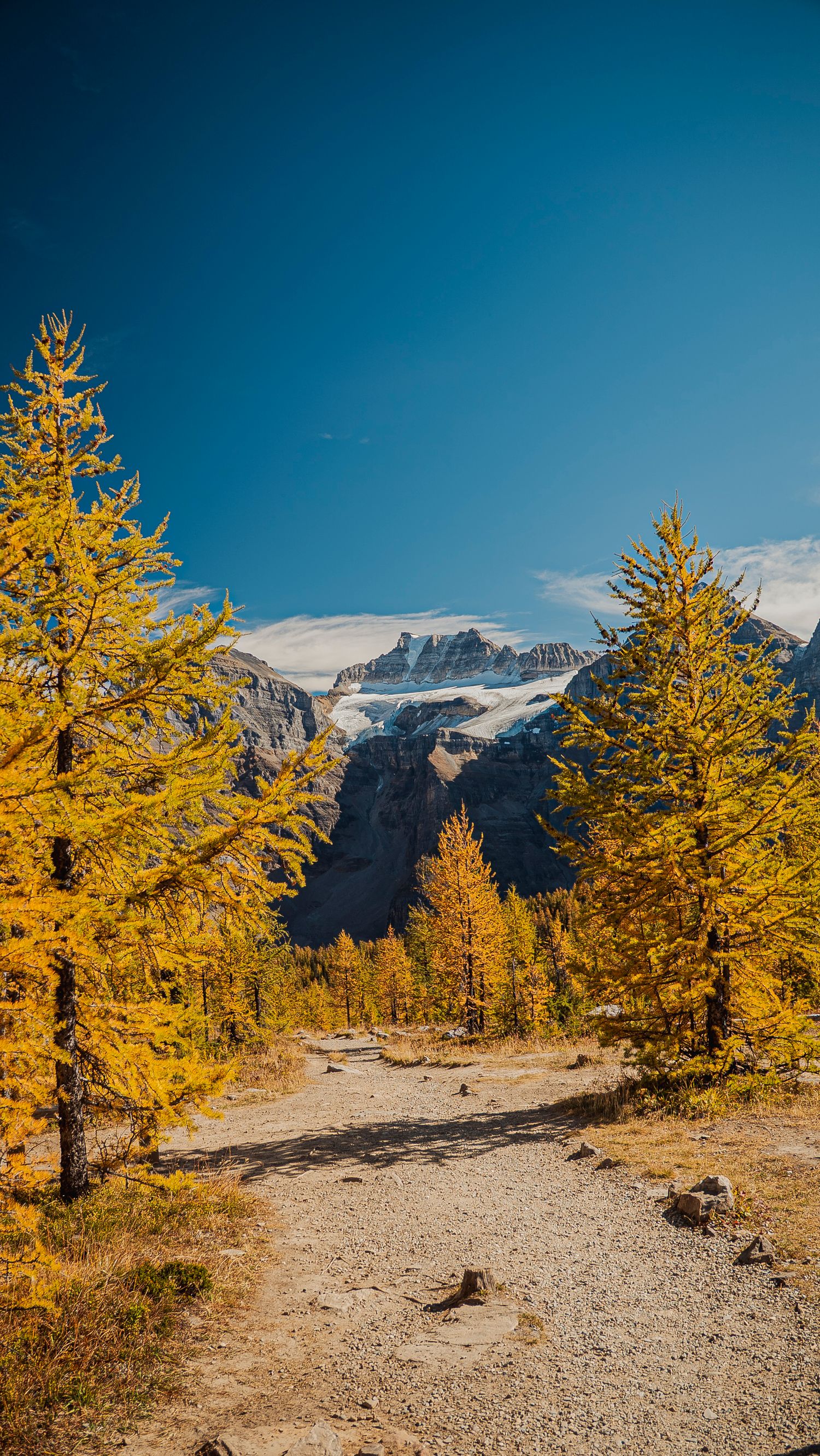
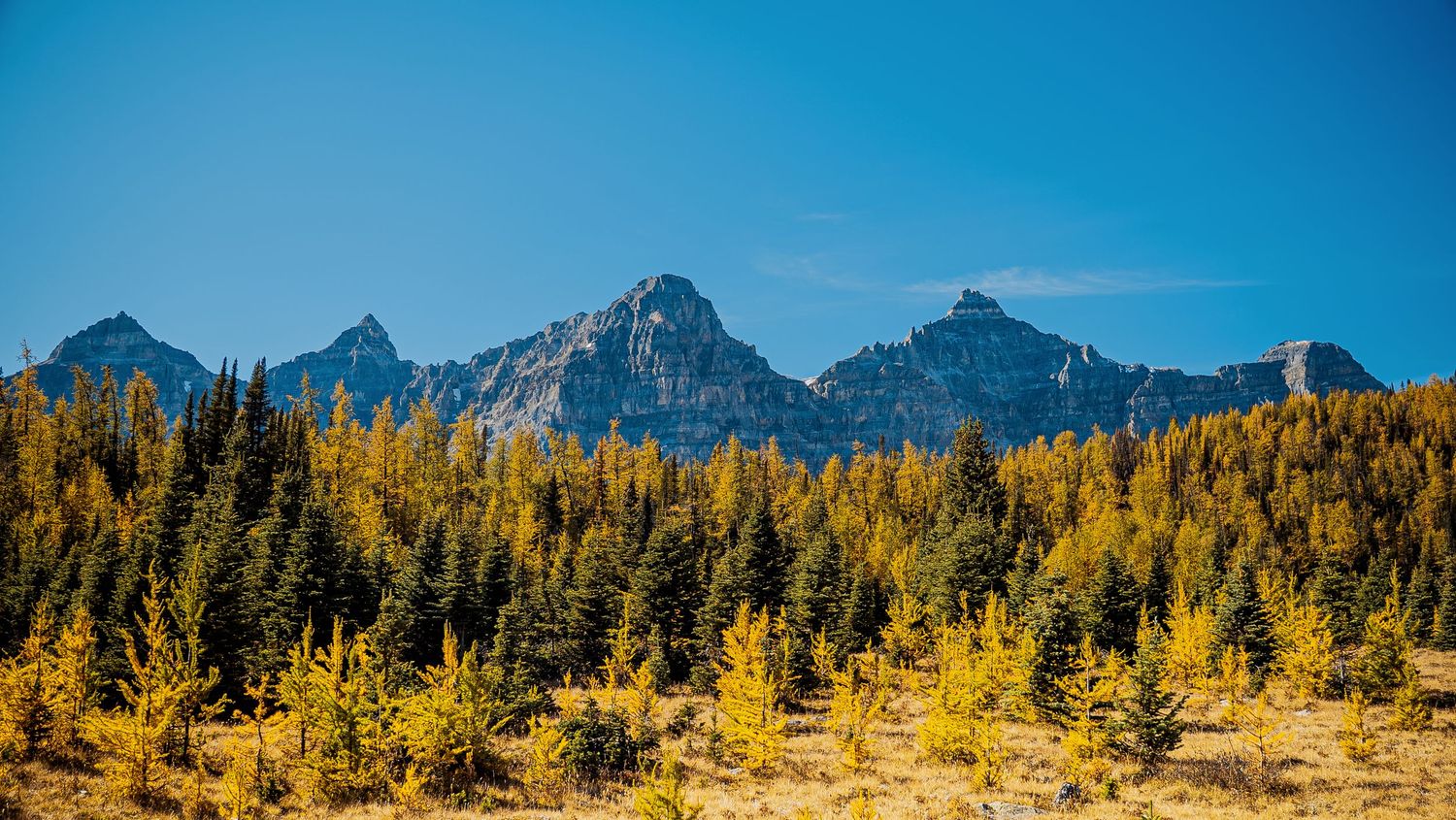
Shoulder Seasons (May & October)
Moody, unpredictable, and stunning. Ideal for couples who embrace flexibility.
The Wild Elopement Experience always includes weather-aware planning and backup options, so your day flows naturally no matter what the mountains decide.
What to Wear for a Rockies Elopement
Wear what lets you move, breathe, and feel like yourself.
Think:
- Layers instead of just one outfit
- Comfortable, practical footwear
- Fabrics that move in wind
- Warmth over perfection
Your elopement isn’t about posing — it’s about experiencing the day fully.
Leave No Trace & Respecting the Mountains
These landscapes are fragile.
A meaningful elopement leaves memories, not marks.
That means:
- Staying on designated trails
- Avoiding confetti or loose decorations
- Respecting wildlife and natural spaces
- Choosing low-impact ceremony locations
Wild Elopements are planned with Leave No Trace principles at their core — because these places deserve care.
How Much Does a Canadian Rockies Elopement Cost?
Elopement costs vary based on vision and experience.
Most couples invest in:




Photography and planning support
Permits and officiant fees
Accommodation
Optional adventure elements
Rather than cutting costs, elopements allow couples to redirect their budget toward what truly matters: time, experience, and intention.
Do You Need an Elopement Photographer?
A true elopement photographer helps with:
> Location guidance <
> Timeline design <
> Permit awareness <
> Weather planning <
> Creating a calm, grounded experience <
The Wild Elopement Experience is built around storytelling, not pressure — guidance, not posing.
The Wild Elopement Experience
From planning to final images, everything is designed so you can focus on being together, not figuring things out.
FAQ
Do you need witnesses to elope in the Canadian Rockies?
Yes. In Alberta, two witnesses are required for a legal marriage ceremony. Witnesses can often be arranged in advance if needed.
Can foreigners elope in Canada?
Yes. You do not need to be Canadian or a resident to get married in Canada. As long as you obtain a valid Alberta marriage licence, you can legally elope in the Rockies.
Do you need a permit to elope in Banff or Lake Louise?
Yes. Most ceremonies in national parks require a permit. Permits help protect the environment and regulate group size and location use.
Is an elopement cheaper than a traditional wedding?
Often, yes — but not because it’s “less.” Elopements allow couples to invest in experience rather than venue-driven costs.