
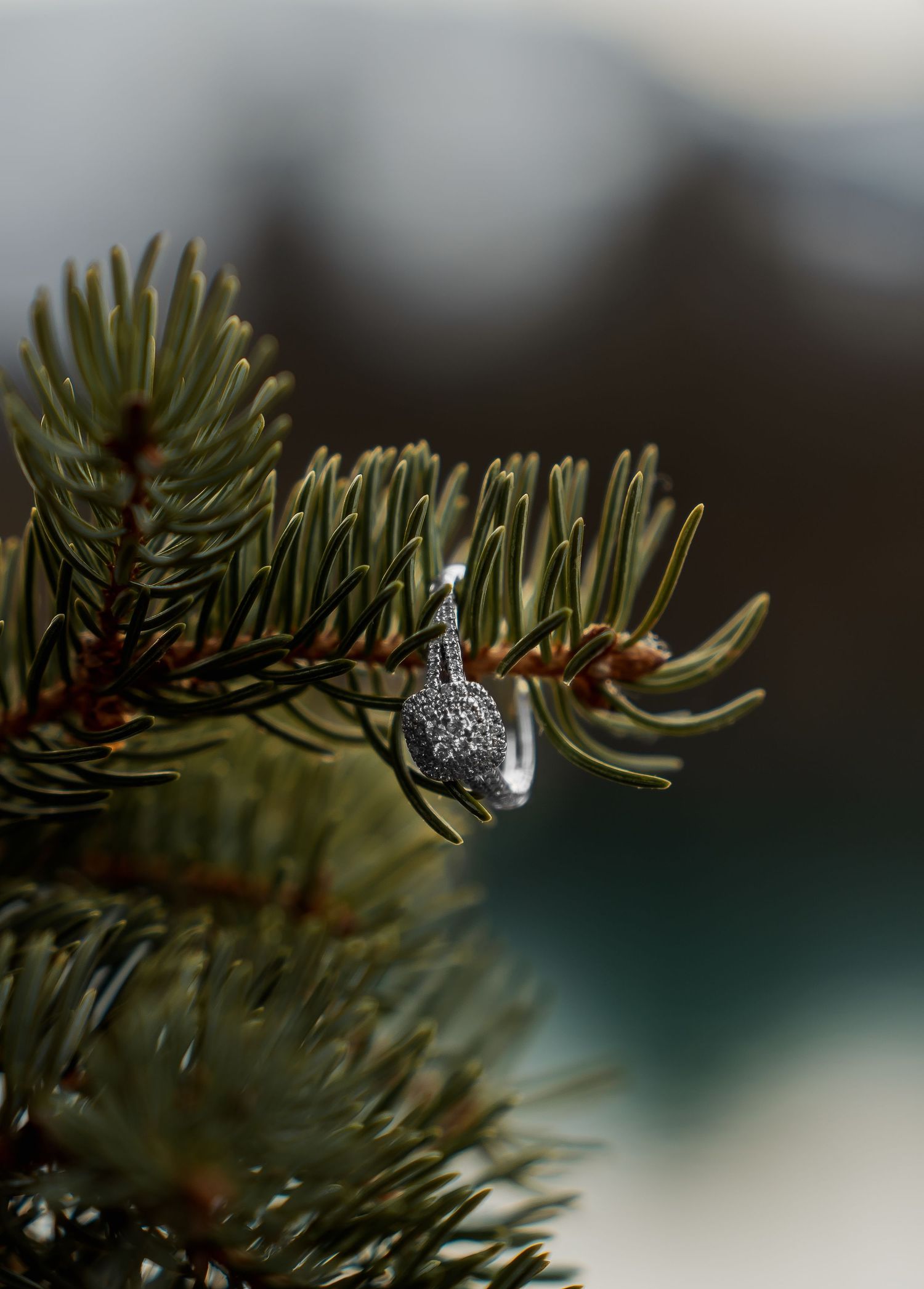
There’s a quiet responsibility that comes with photographing love stories in wild places.
The mountains are not just a backdrop. They are living ecosystems.
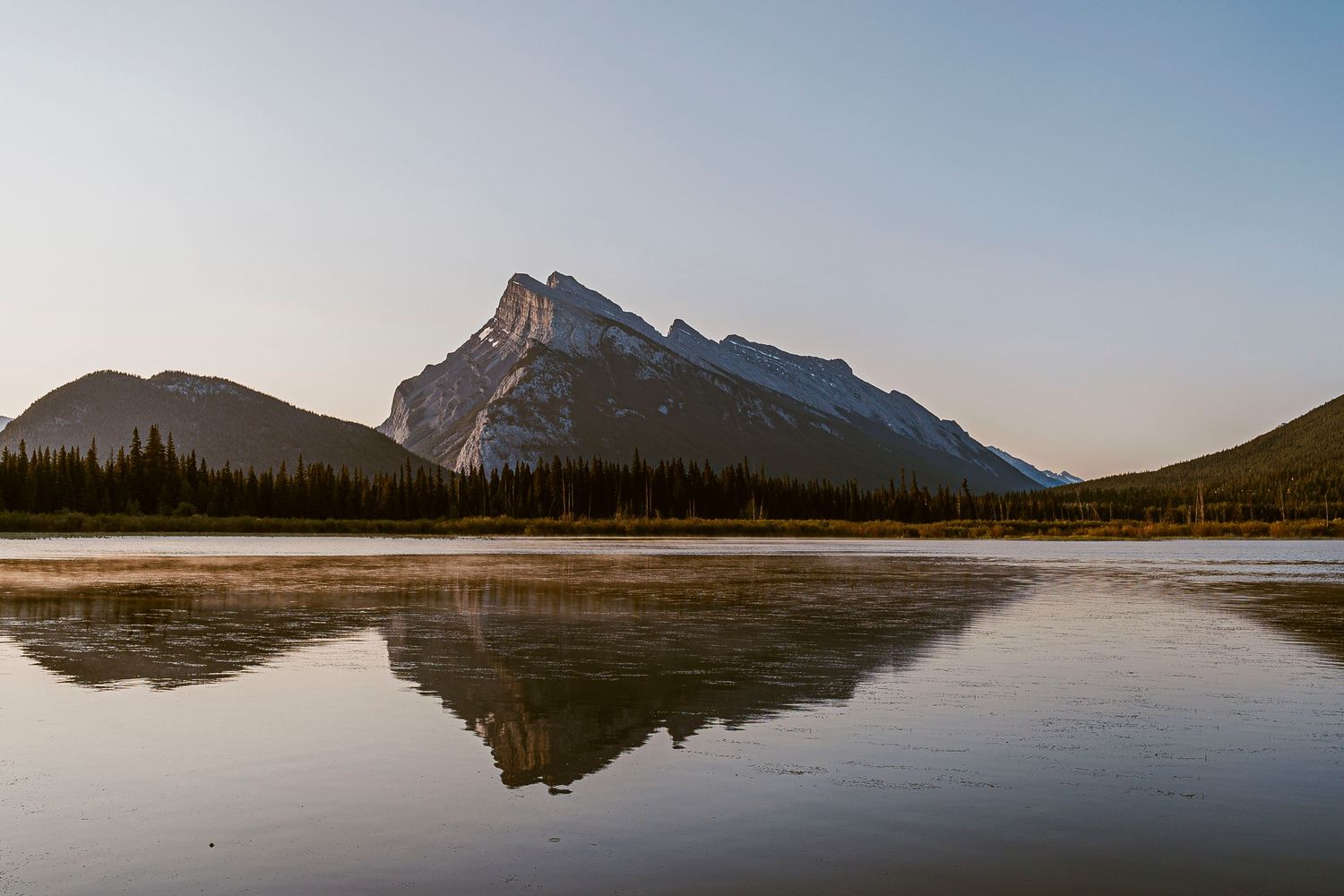
From the alpine meadows of Banff National Park to the turquoise waters of Lake Louise, every location I step into carries decades — sometimes centuries — of ecological balance. As photographers, hikers, and creatives, we are guests.
And being a guest means leaving no trace of our presence.
This isn’t just a concept I mention in my welcome guide.
It’s a principle that shapes every elopement, every hike, every scouting day.
Here’s how I personally implement Leave No Trace in the national parks I visit.
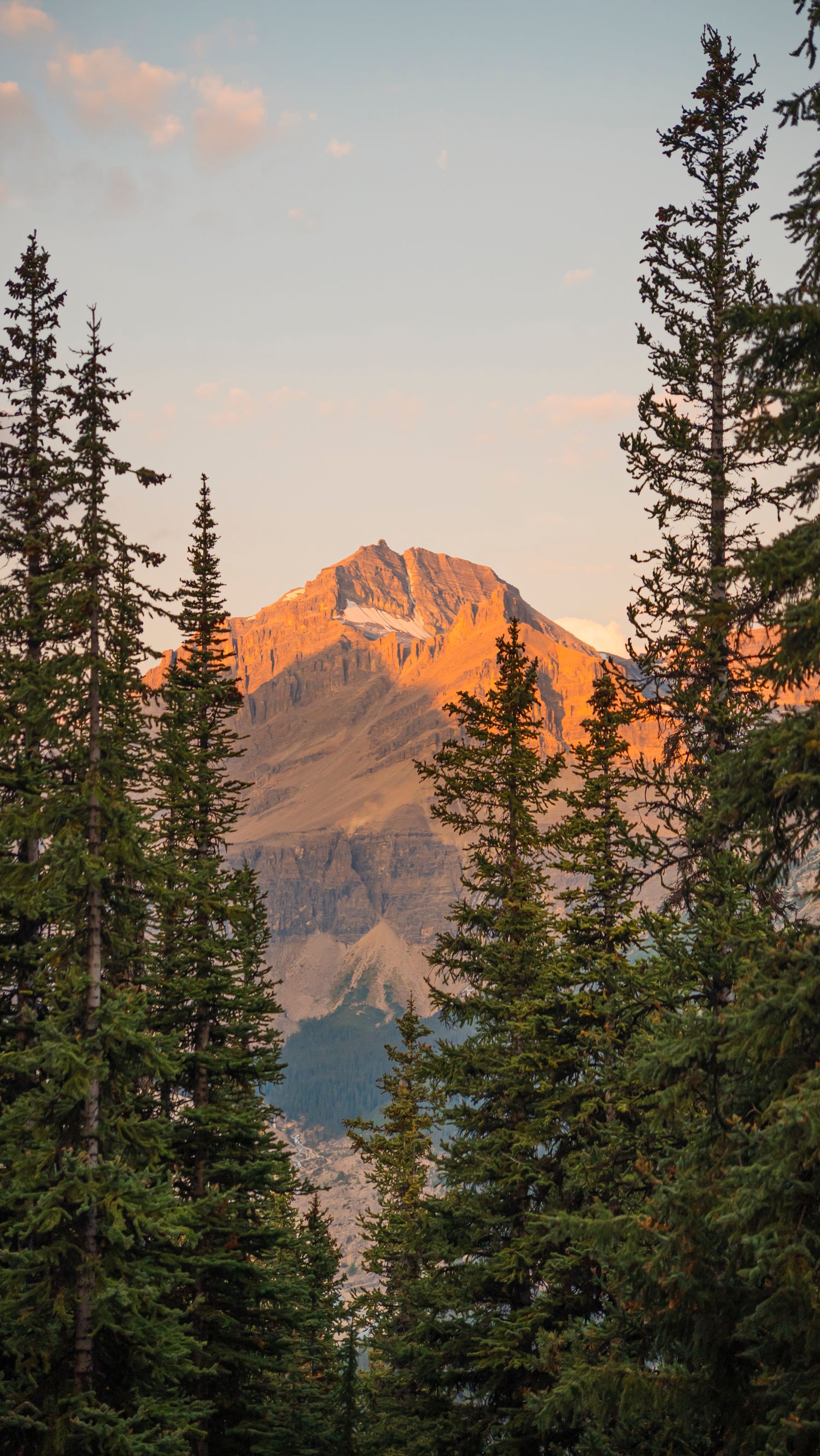
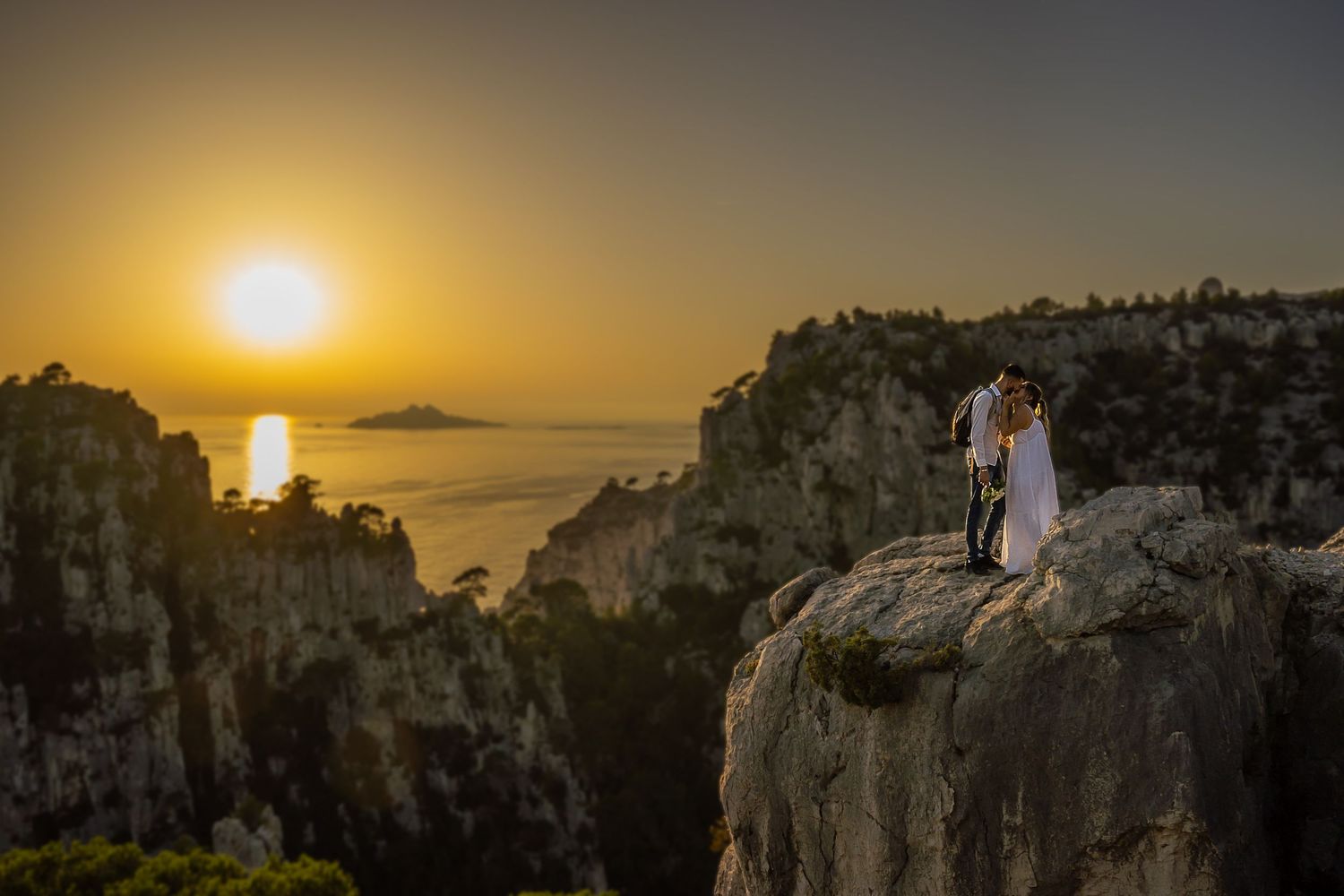
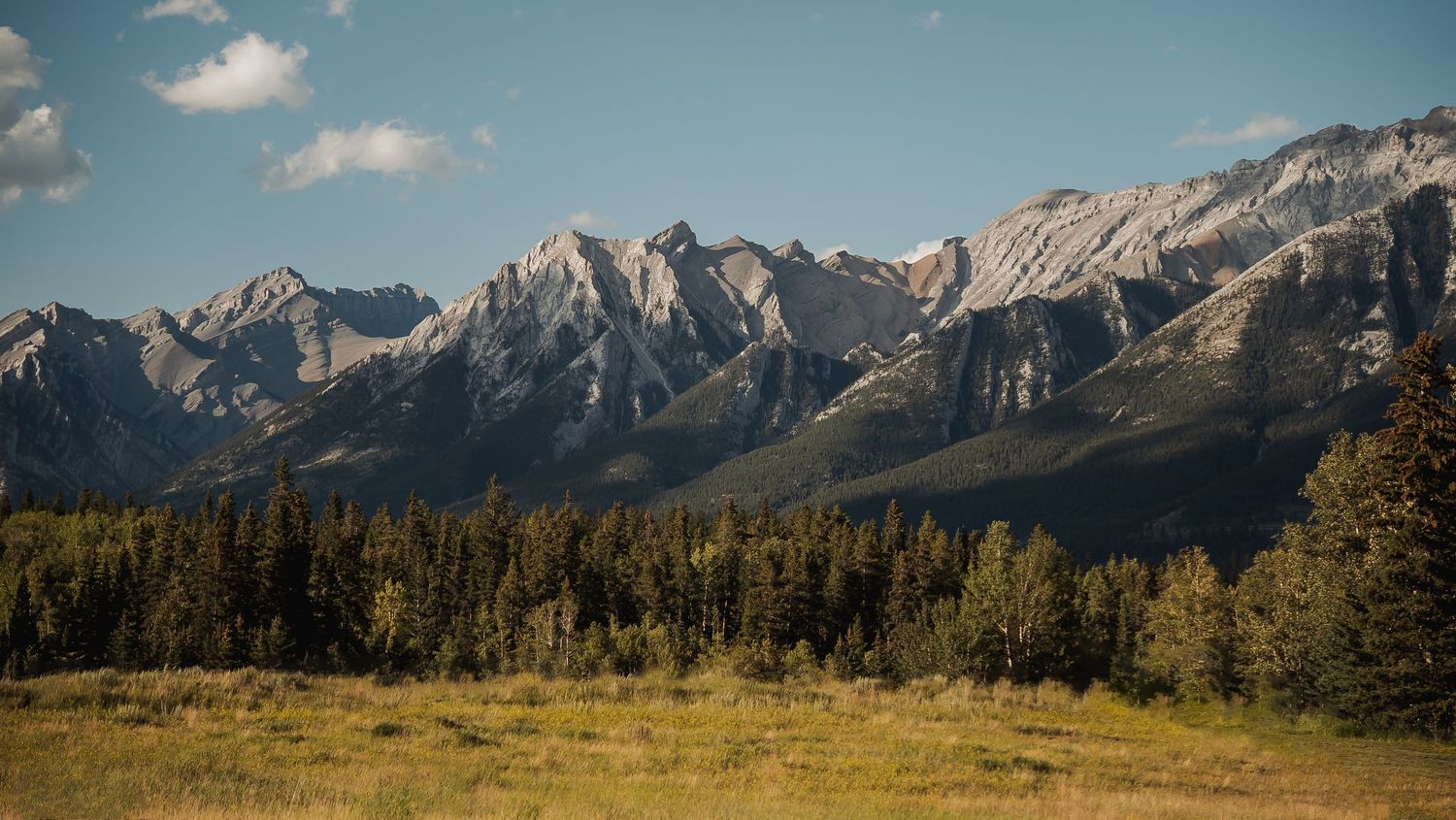
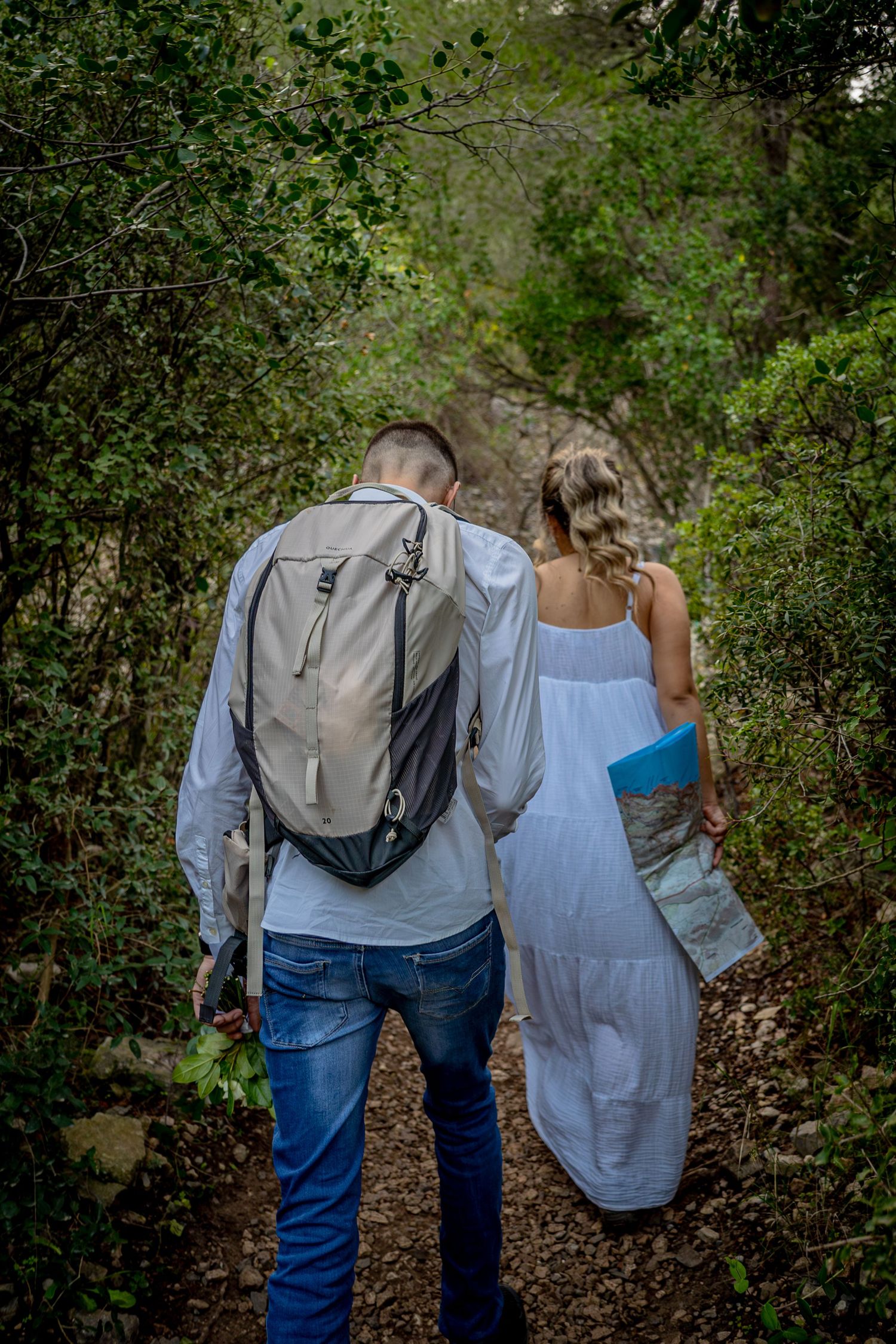
I. I Stay on Established Trails — Always
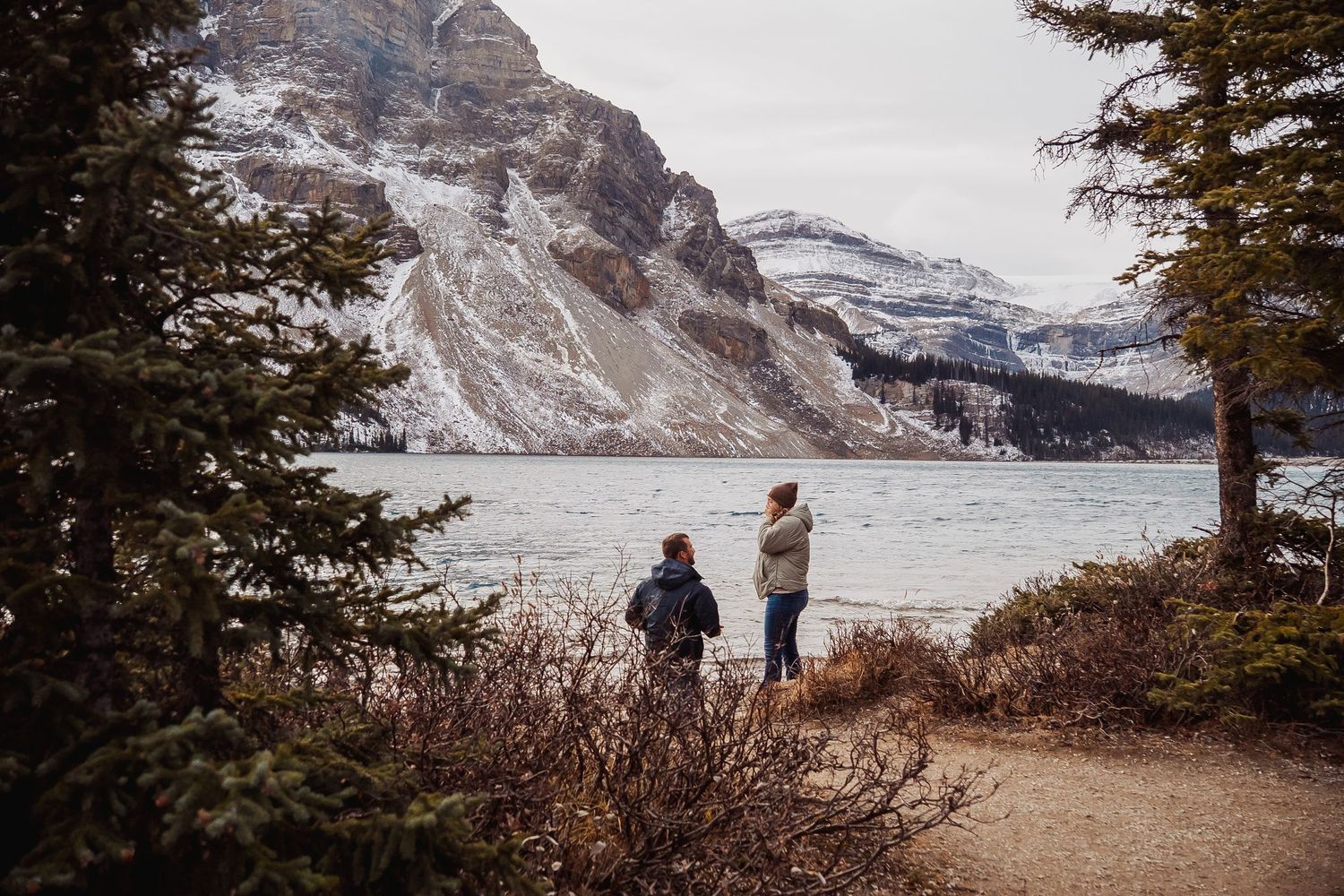
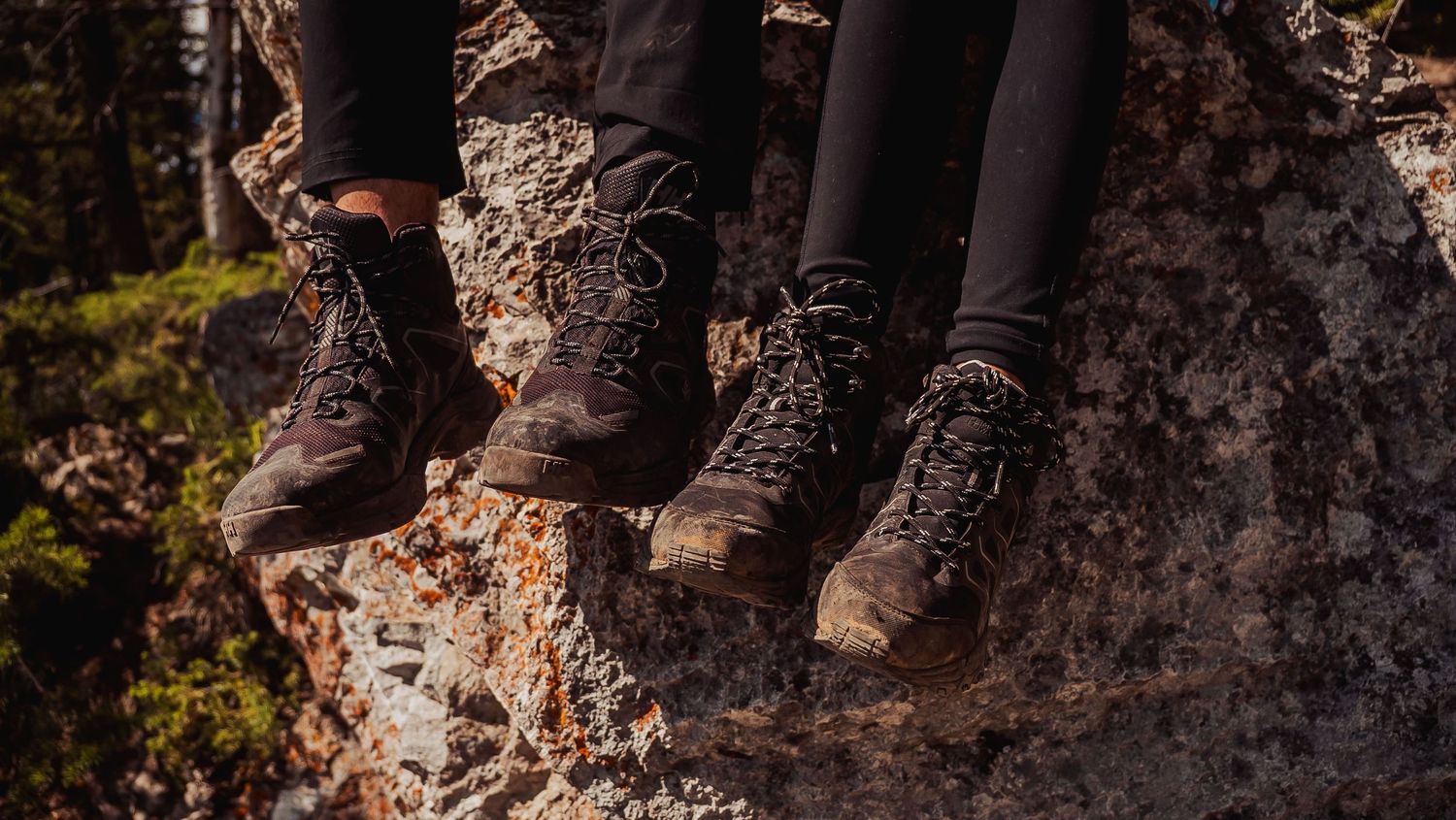
Alpine ecosystems are fragile. What looks like “just grass” can take 20–30 years to recover from a single footprint.
During elopements, I:
- Plan routes that stay on durable surfaces
- Avoid trampling wildflowers for “that perfect shot”
- Guide couples to stand on rock, gravel, or compacted areas
The photo is never worth damaging the environment.
II. I Limit Group Size & Choose Low-Impact Locations
Part of my Wild Elopement Experience is intentional planning.
Instead of large gatherings in sensitive areas, I:
- Recommend small, intimate ceremonies
- Choose less trafficked areas when appropriate
- Time sessions for sunrise or weekdays to reduce congestion
Protecting wild spaces also means protecting the experience of other visitors.
III. I Educate My Couples Before the Day
Every couple receives guidance on:
Packing out everything (including florals and confetti alternatives)
Respecting wildlife distance rules
Avoiding rice, petals, or biodegradable items that still disrupt ecosystems
Even biodegradable items don’t belong in alpine terrain.
Instead, we embrace natural wind, movement, and authentic moments — no props required.
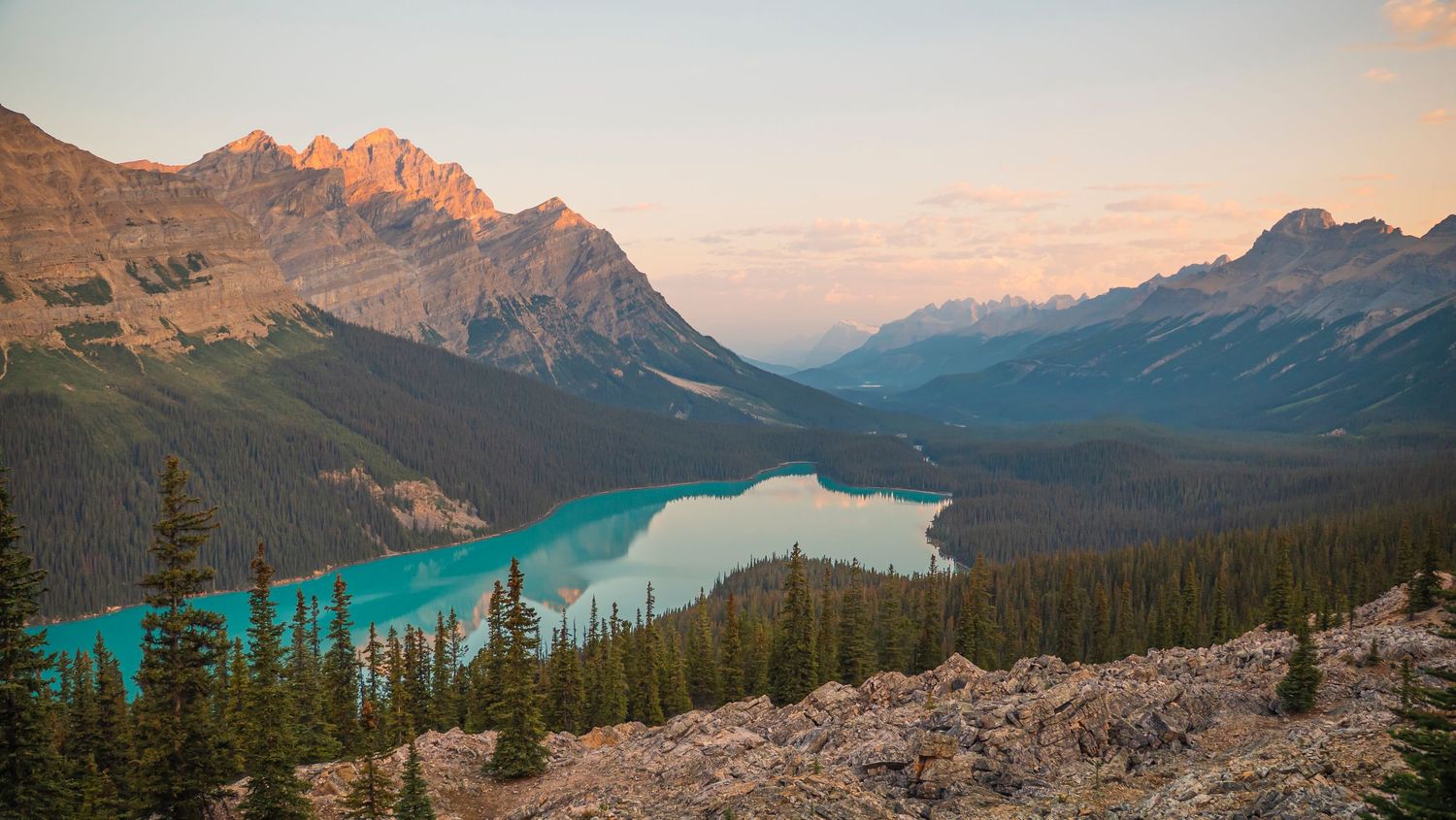
IV. I Carry Out More Than I Carry In
On hikes, I always:
- Pack out all waste
- Pick up litter when I see it
- Avoid leaving behind tape, markers, or trail indicators
Small actions compound over time.
V. Wildlife Comes First — Every Time
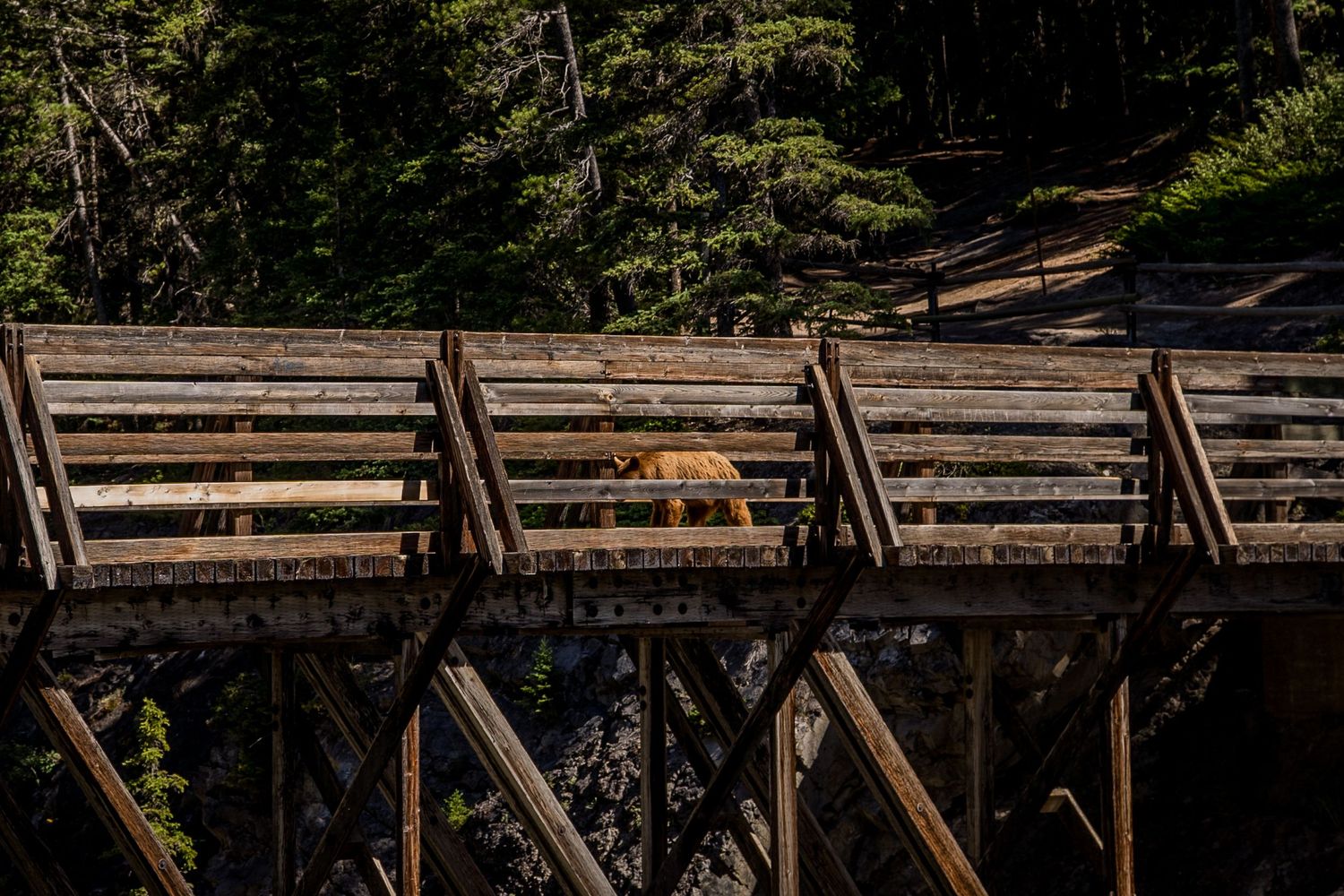
In places like Yoho National Park and Jasper National Park, wildlife corridors are active and protected.
If we encounter:
- Elk
- Mountain goats
- Bears
- Bighorn sheep
We wait.
We give space.
We adjust plans if needed.
A timeline can shift.
An ecosystem should not.
VI. I Respect Permit & Park Regulations
National parks operate under strict conservation guidelines.
That means:
- Securing required permits when necessary
- Avoiding drone use where prohibited
- Following seasonal trail closures
- Respecting restoration zones
Regulations are not obstacles.
They’re protection systems.
Why This Matters
(Beyond Photography)
They are:
- Sacred spaces for Indigenous communities
- Protected ecosystems
- Homes to wildlife
- Shared landscapes for future generations
My work only exists because these places exist.
Protecting them isn’t optional.
What This Means for You
If you choose to work with Wild North Photography, you’re choosing:

Intentional planning

Ethical storytelling

Environmental respect

Land-Honoring Photographer
Your elopement will feel wild, emotional, and immersive.
But it will never come at the cost of the landscape.
The Wild North Promise
We create memories without leaving marks.
We celebrate love without disrupting the wild.
We leave the mountains exactly as we found them — or better.