
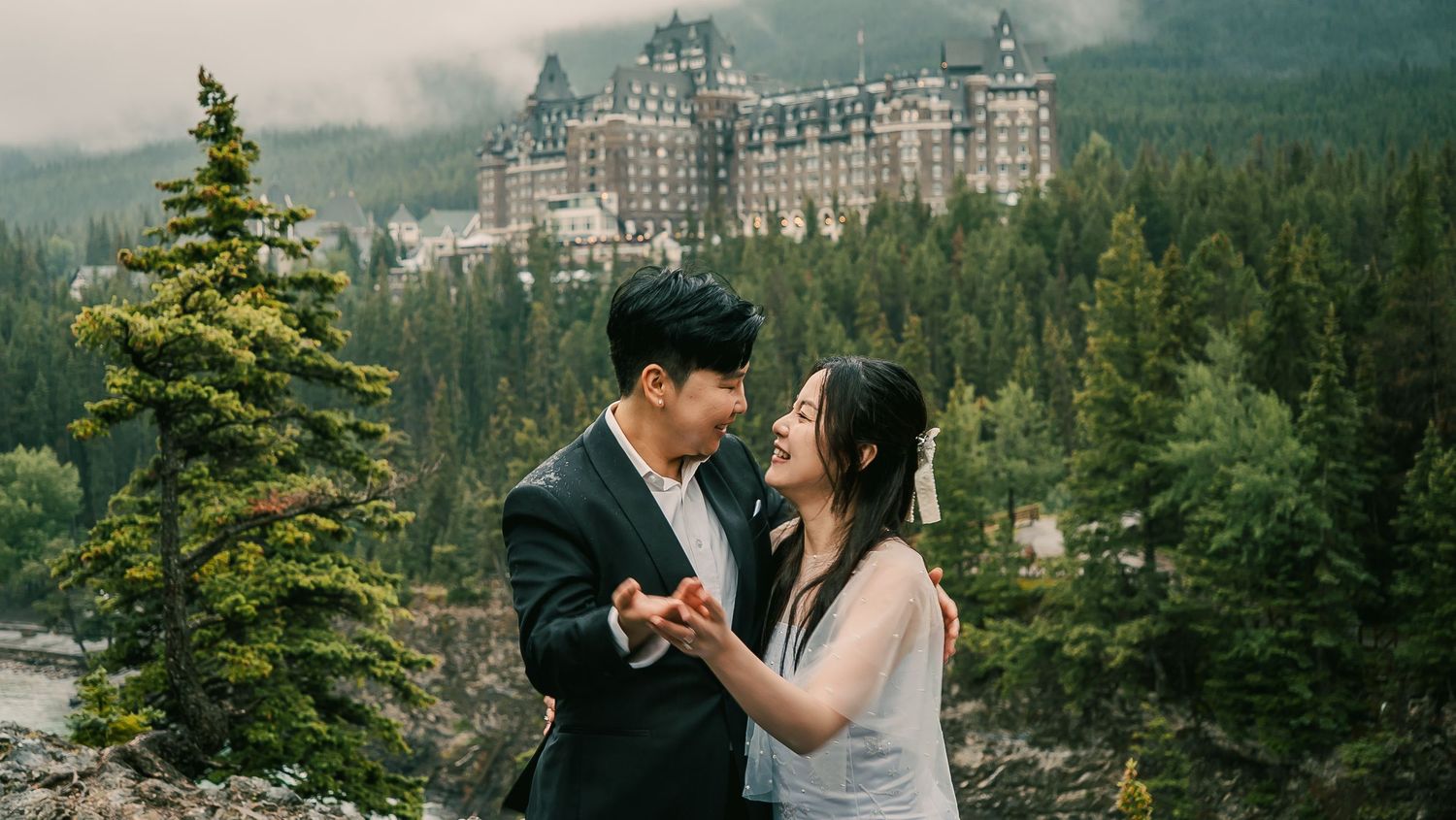
One of the biggest misconceptions about elopements is that they don’t need a timeline. The reality ?
A great elopement timeline is the backbone of a calm, meaningful, and unforgettable day.
Unlike traditional weddings—where schedules are built around venues, caterers, and guest logistics—elopement timelines are built around light, landscapes, energy, and intention. When done right, your day flows naturally, feels unrushed, and leaves room for the moments you’ll remember most.
This guide will walk you step by step through how to build your elopement timeline from scratch, no matter where you’re eloping.

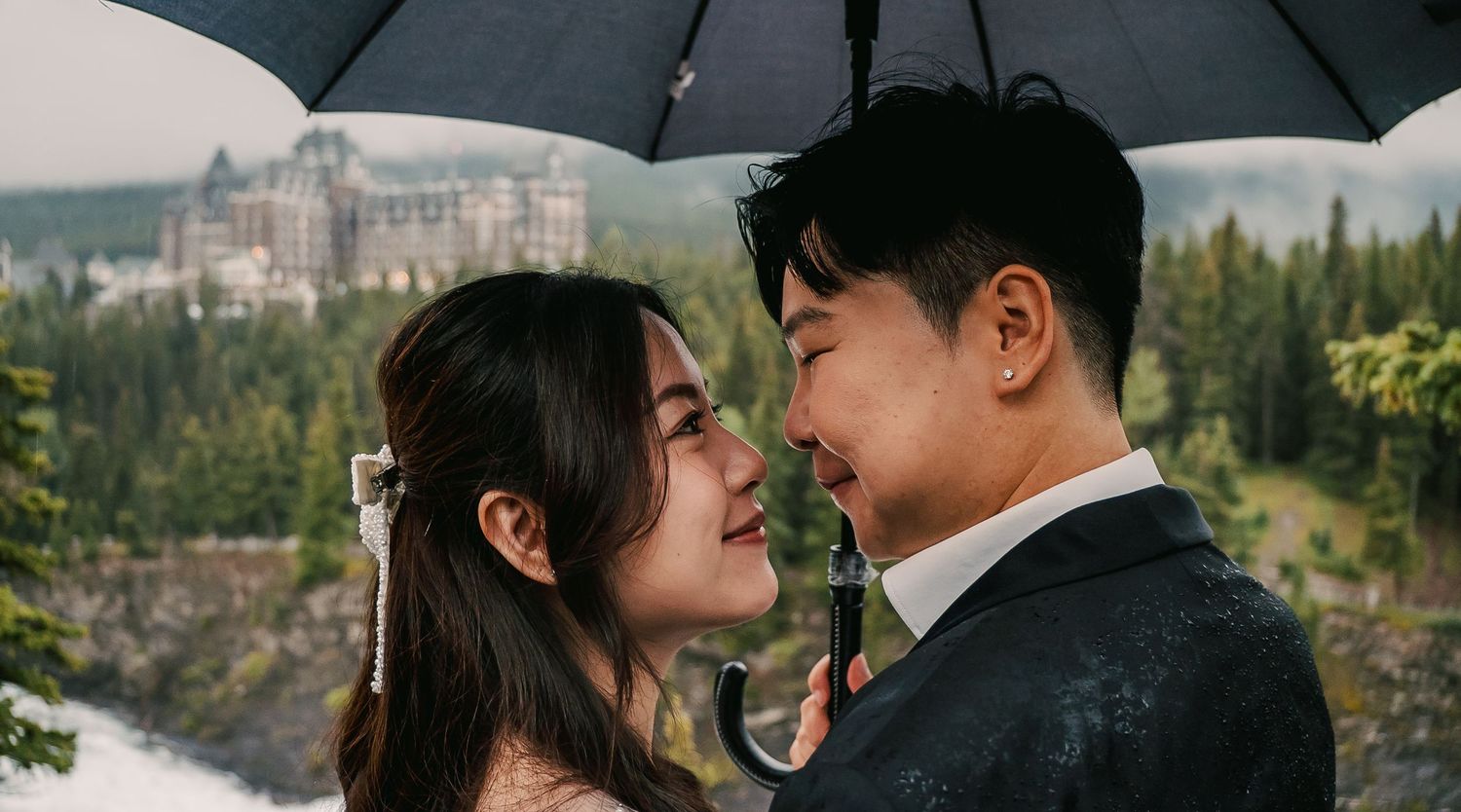
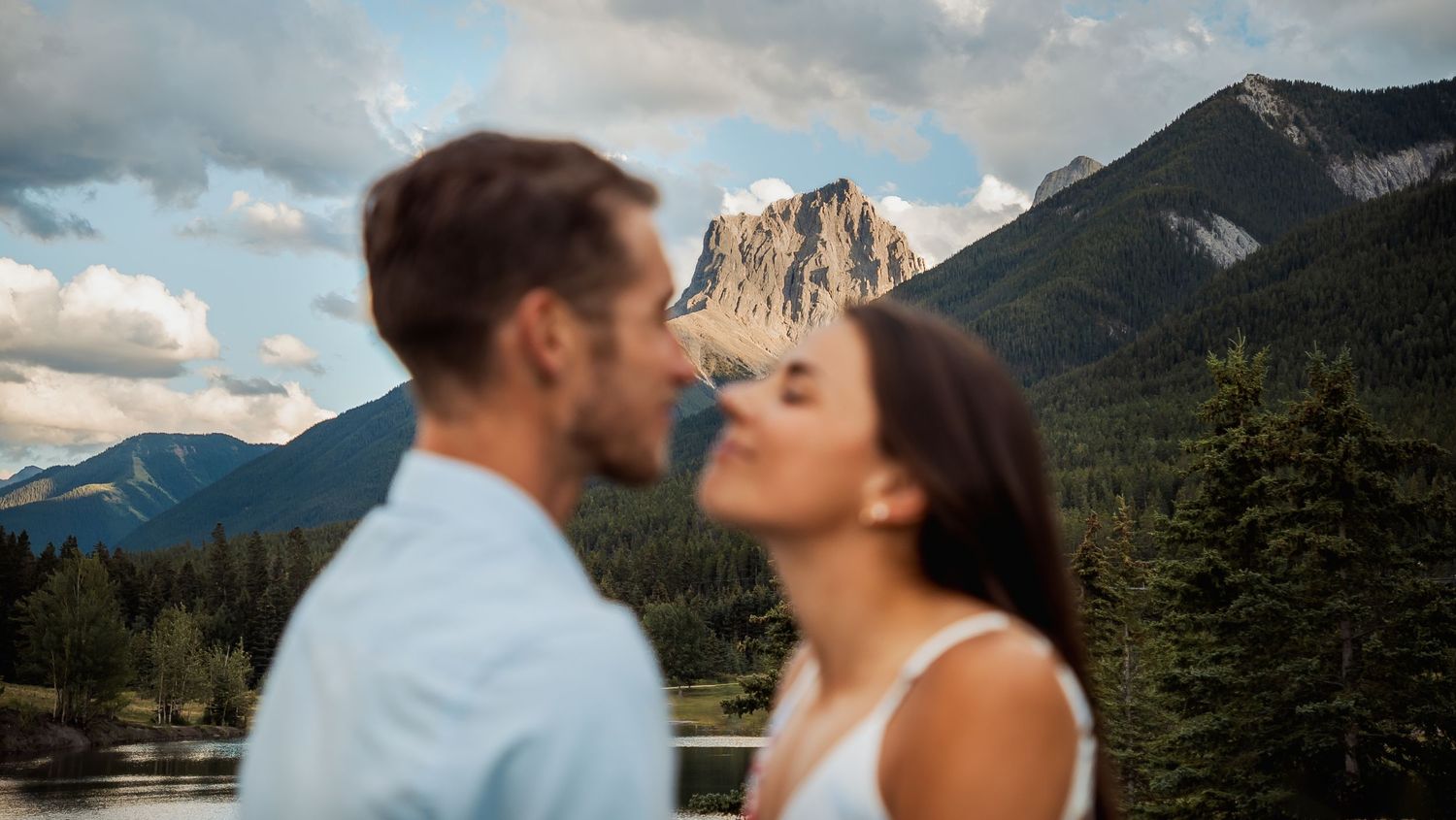

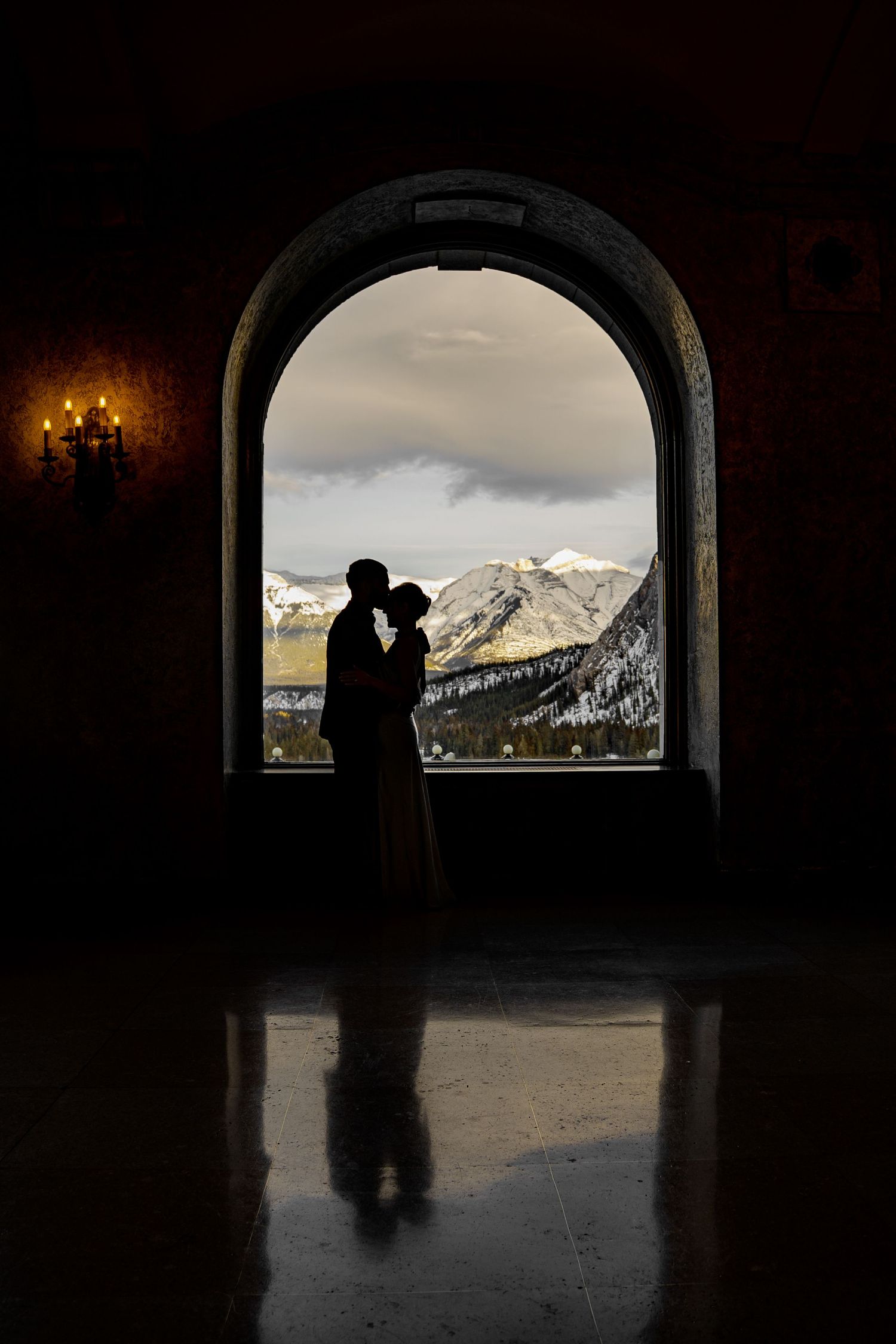
Step 1: Start With the Experience, Not the Clock
Before you think about hours and minutes, ask yourselves one simple question:
“How do we want this day to feel?”
Do you imagine:

A slow morning with coffee and views?

A sunrise hike followed by breakfast together?

A private ceremony at golden hour?
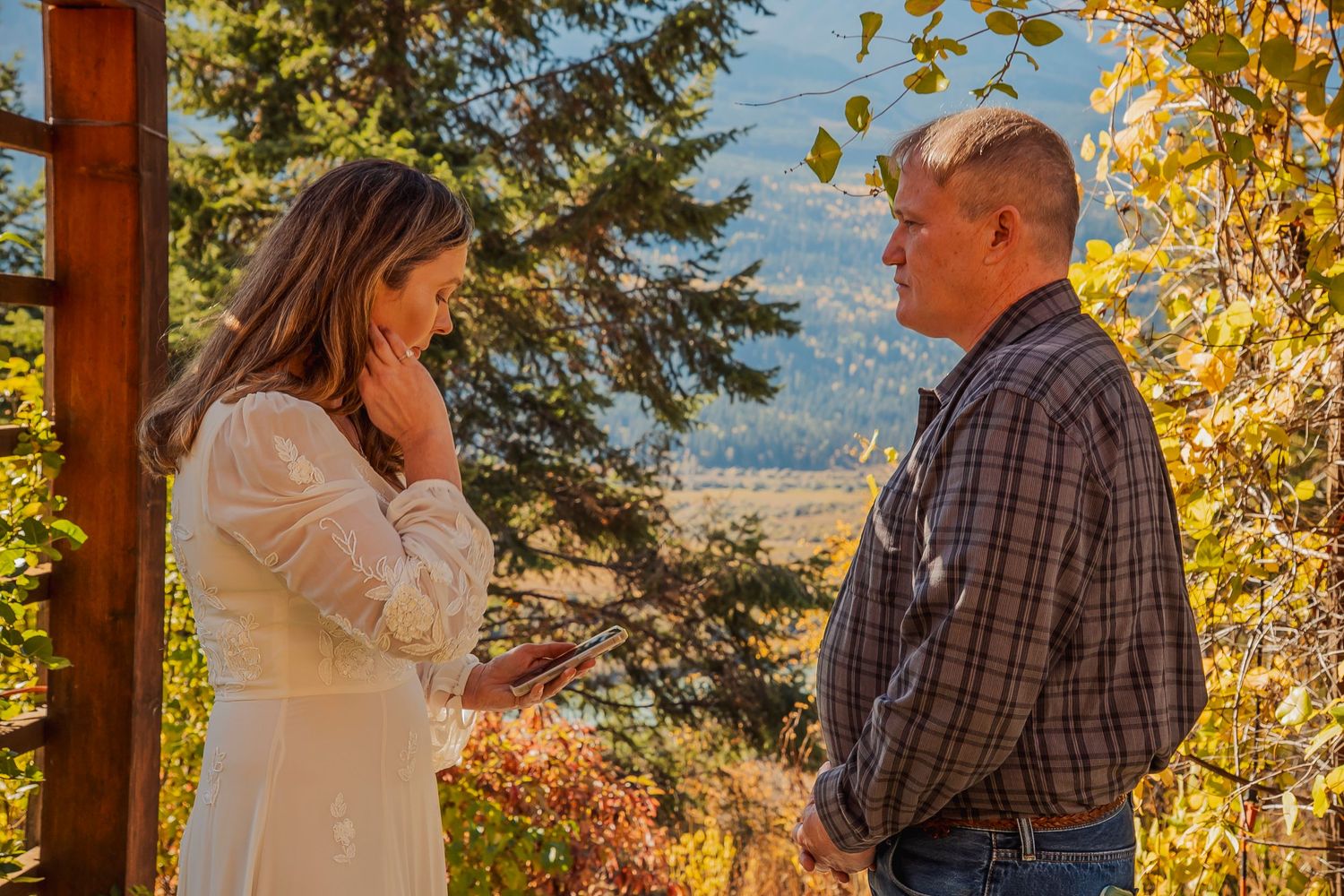
A full-day adventure with multiple locations?
Your answers shape everything that comes next. Elopement timelines aren’t about filling time—they’re about protecting space.
💡 Rule of thumb: If it feels rushed on paper, it will feel rushed in real life.
Step 2: Choose the Best Light (This Comes First)
Light dictates the entire structure of your day.
For elopements, the best options are usually:
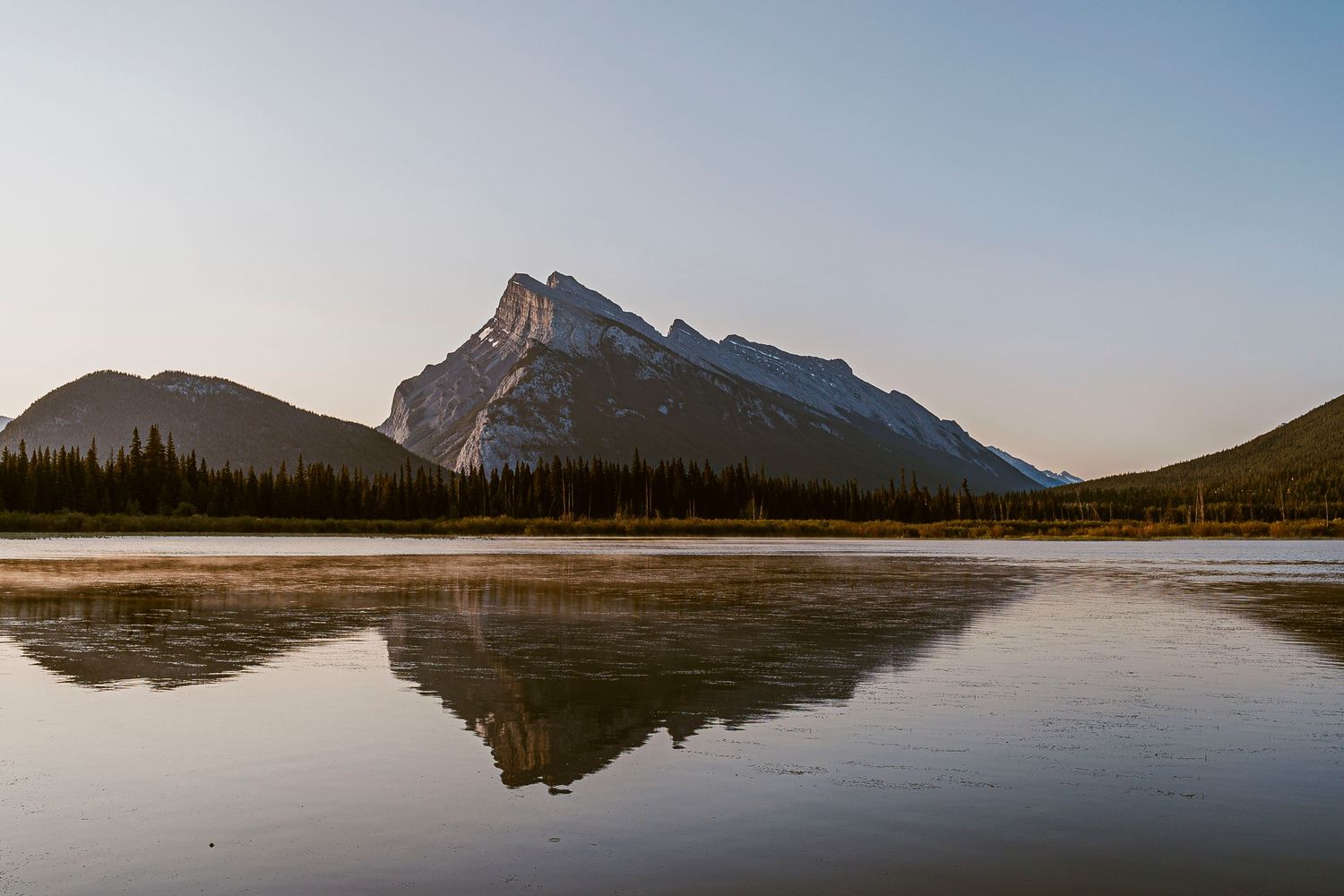
Sunrise
quiet, intimate, soft light, fewer people
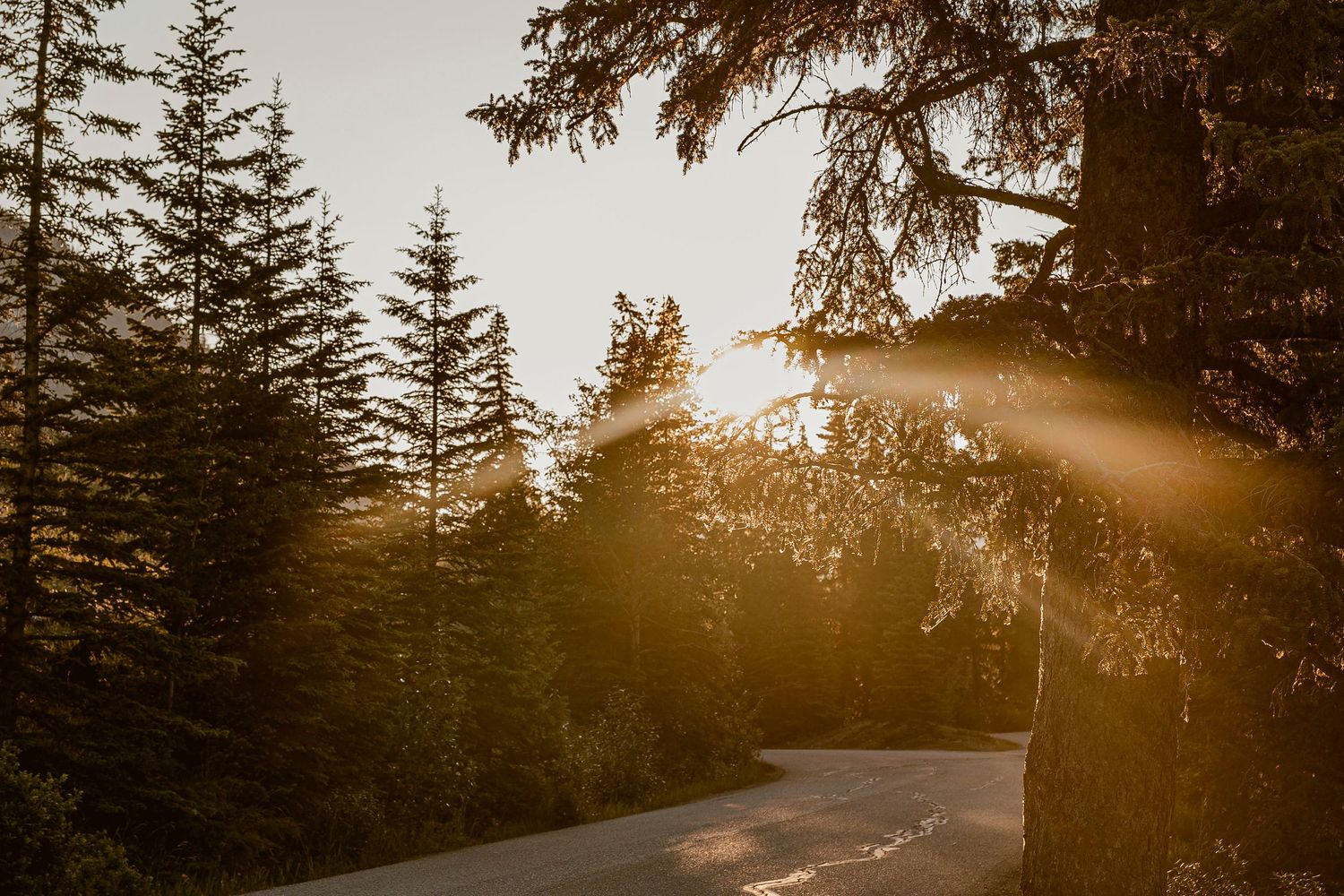
Golden hour
warm tones, dramatic landscapes
Midday light can work—but it often requires shade, clouds, or very specific locations.
Once you decide when you want your ceremony to happen (sunrise vs sunset), the rest of the timeline builds naturally around it.
Step 3: Decide How Long Your Elopement Really Is
Elopements are not one-hour events.
Even simple days need time for:

Getting ready
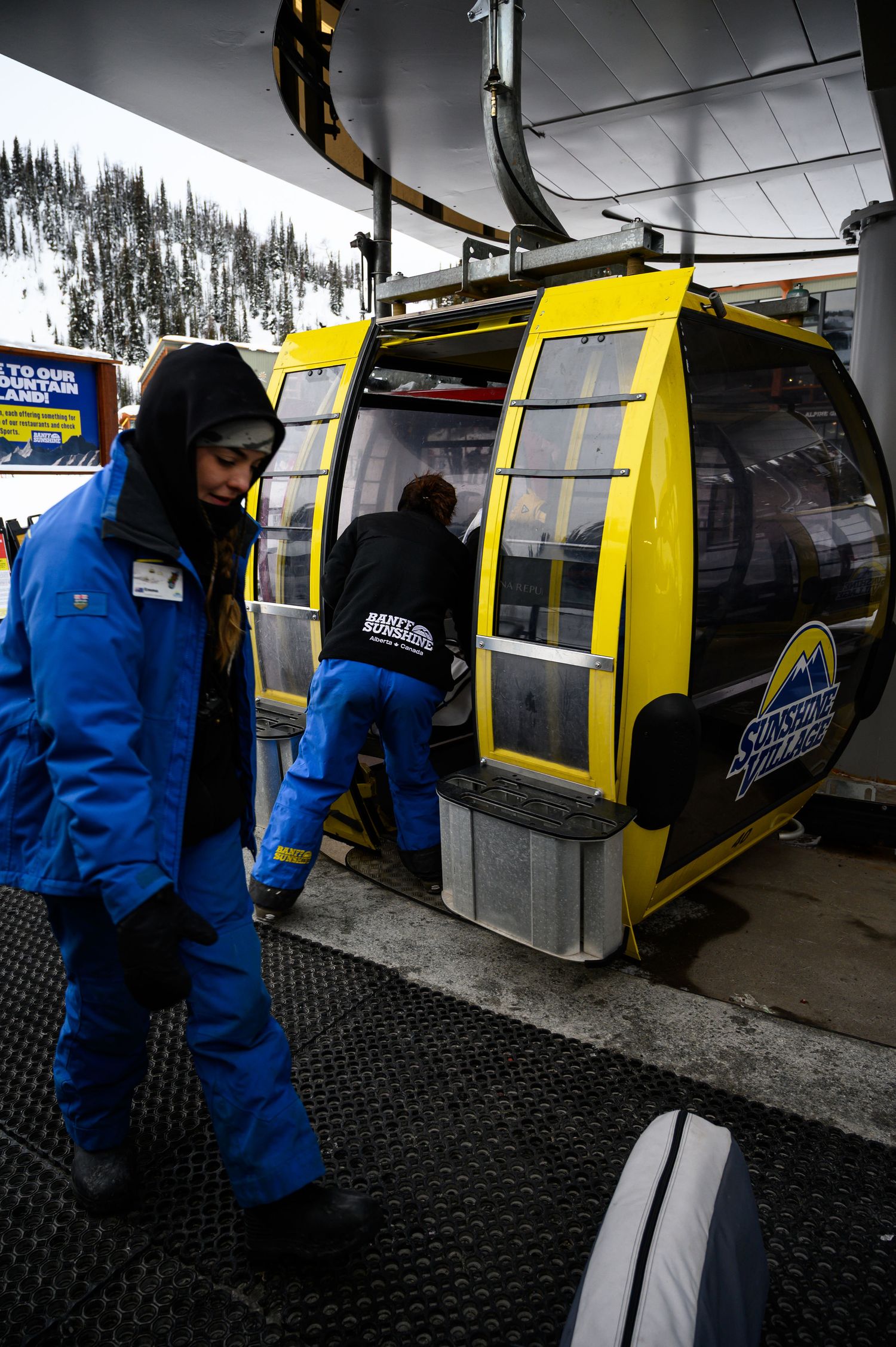
Travel between locations

Ceremony

Photos

Pauses (food, water, breath)
Common elopement timeline lengths:
Half Day
3 to 4 Hours
simple, single location
Full Day
6 to 12 Hours
relaxed, multiple moments
Multi-Day
15+ Hours
immersive adventure elopement
Longer timelines don’t mean more posing—they mean less pressure 😉
Step 4: Build the Day in Meaningful Chapters
Instead of scheduling minute-by-minute, think in chapters.

Slow getting ready
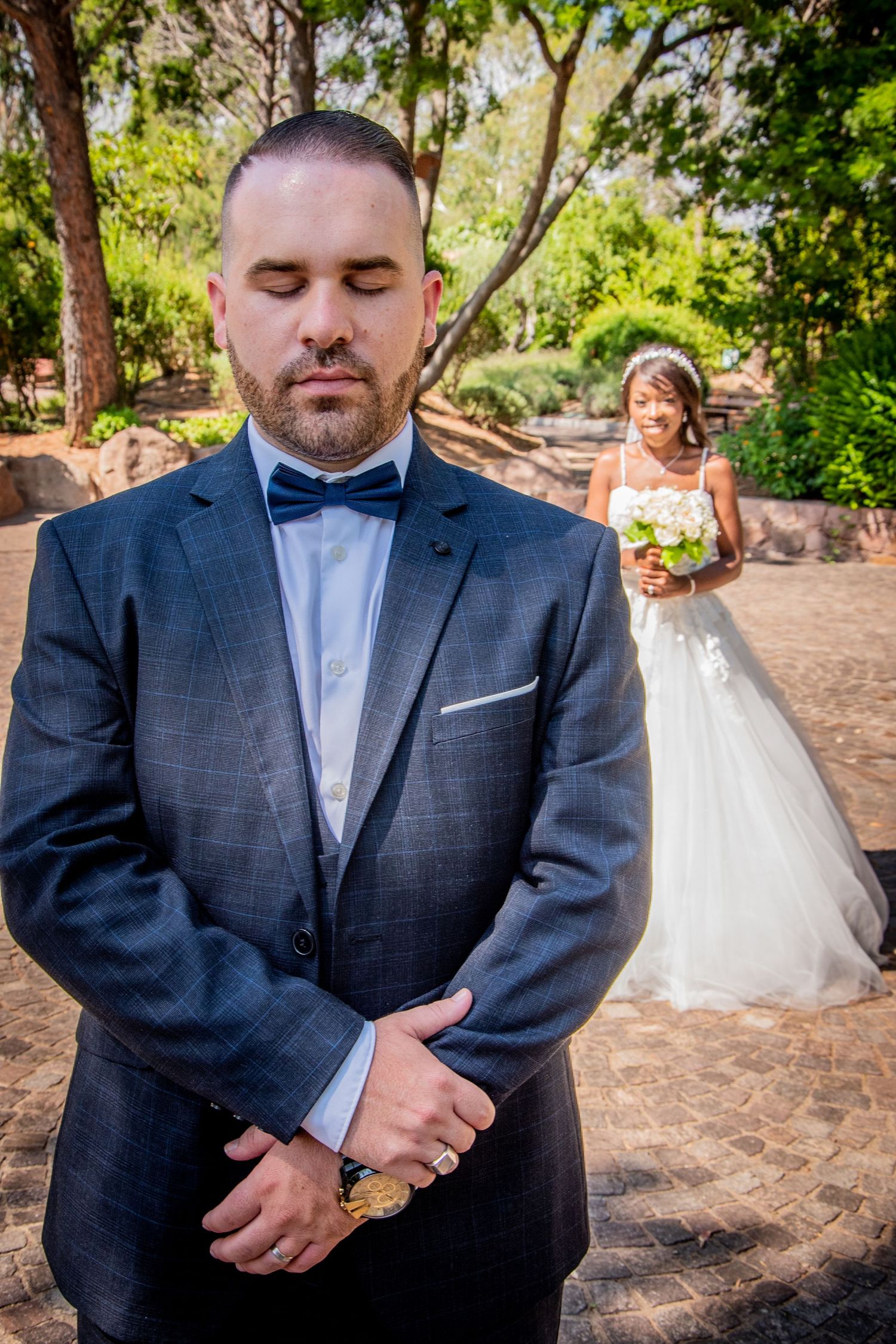
First look
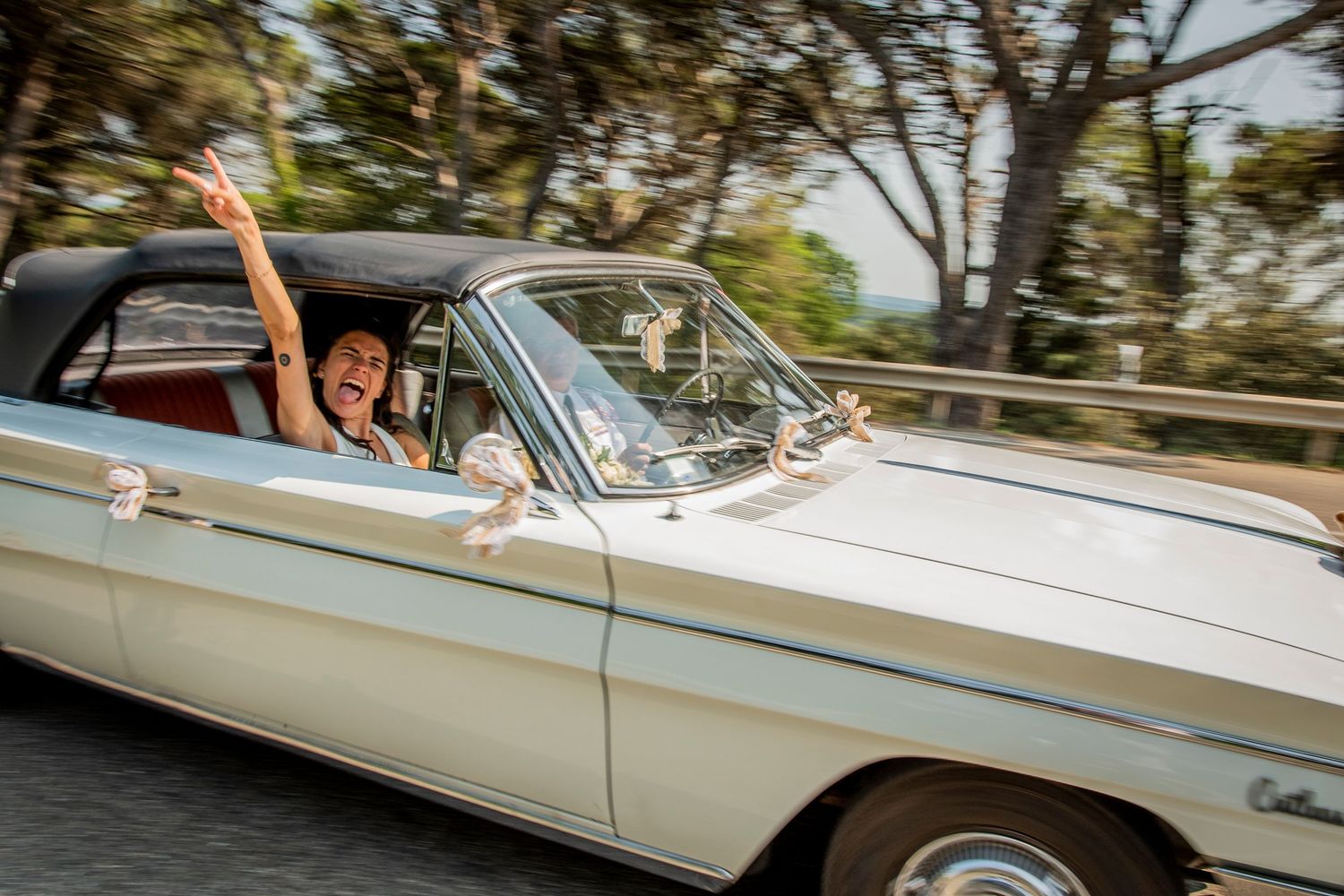
Travel / hike
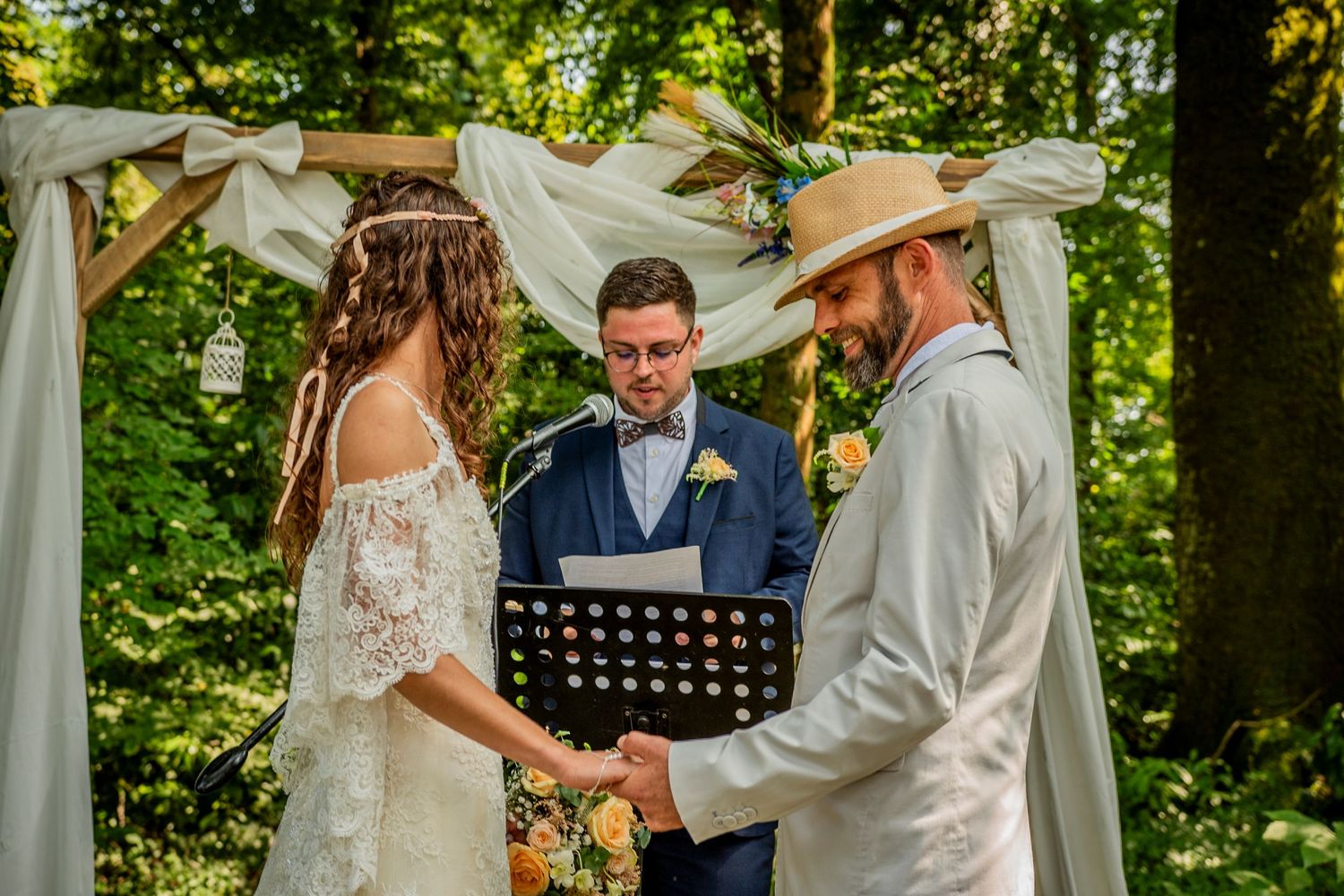
Ceremony
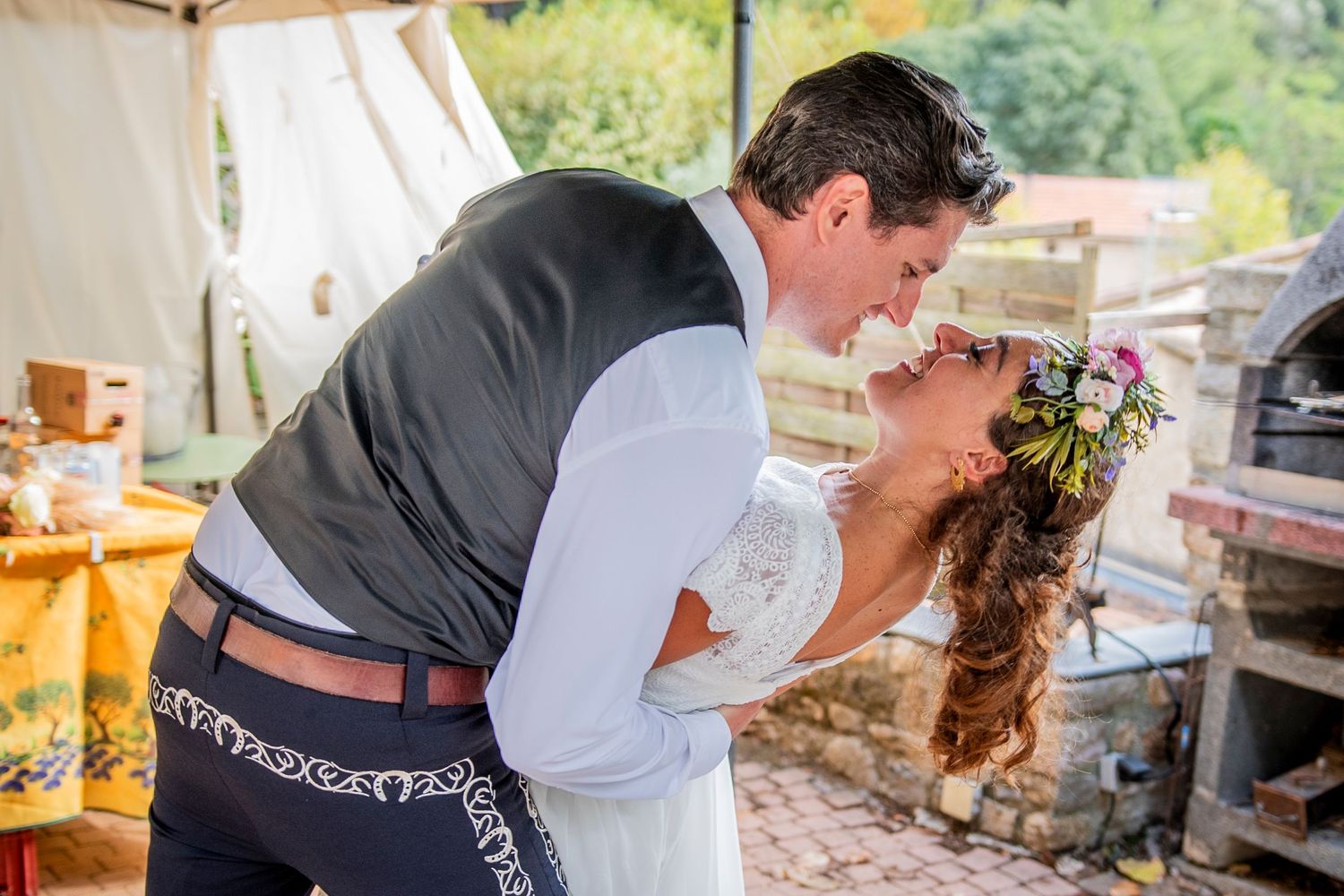
Celebration
(picnic, champagne, dinner)

Golden hour portraits
Stargazing or blue hour

Each chapter flows into the next—no rushing, no “what time is it?” energy.
Step 5: Always Pad Your Timeline (Seriously)
Nature doesn’t care about schedules.
Weather changes.
Trails take longer.
Emotions hit unexpectedly.
Add buffer time for:
- Driving & parking
- Hiking (add 30–45 minutes more than apps suggest)
- Outfit changes
Just… being present
✨ The magic often happens between planned moments.
Step 6: Plan for Privacy, Not Just Beauty
A stunning location at the wrong time can completely change your experience.
Consider:
- Early mornings for popular spots
- Weekdays over weekends
- Short hikes instead of roadside viewpoints
- Multiple micro-locations instead of one crowded one
Your timeline should protect your privacy as much as your photos.
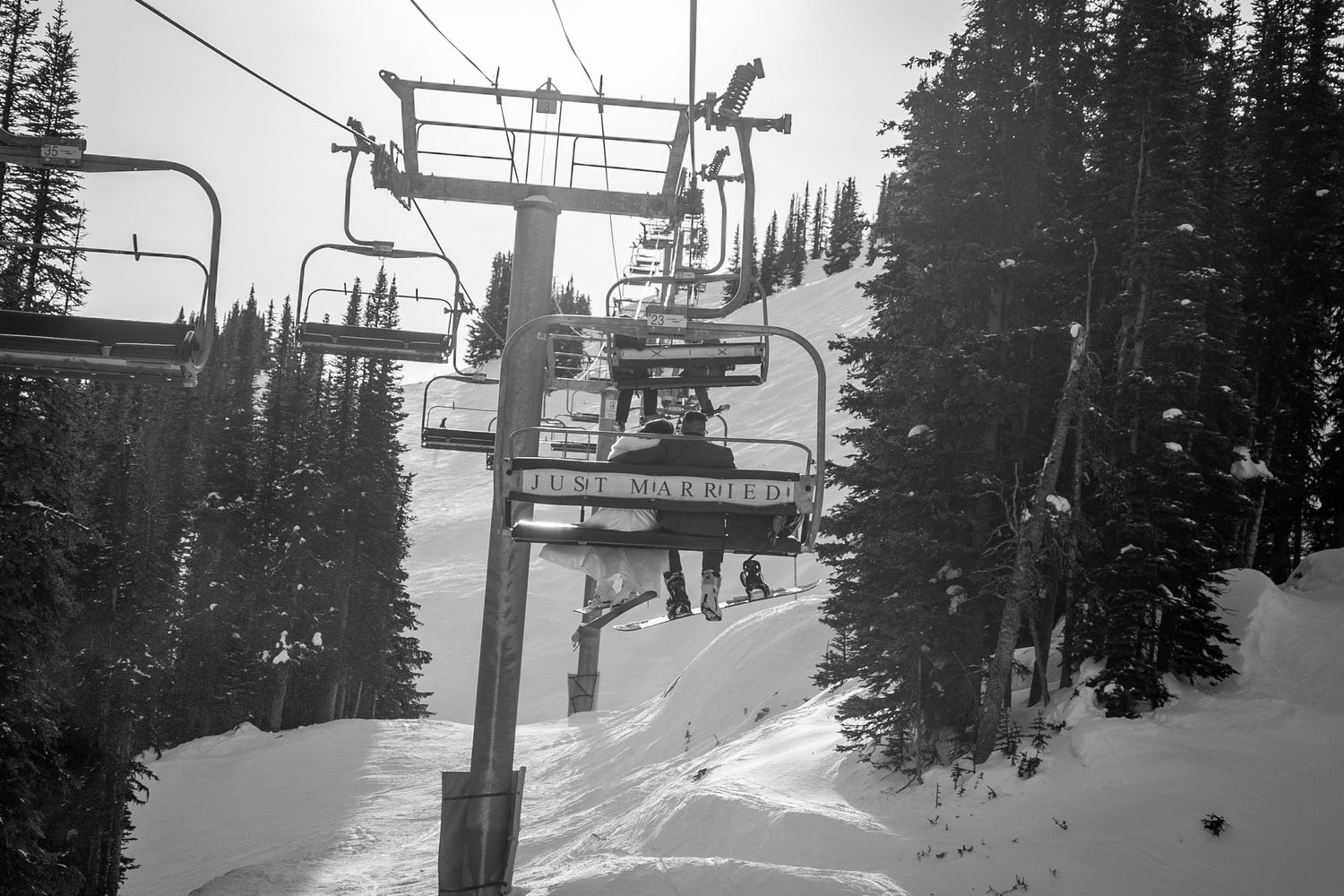

Step 7: Sample Elopement Timeline (Sunset Version)
Here’s a realistic example of a relaxed, experience-focused elopement:
2:30pm
4:15pm
6:00pm
8:00pm
Getting ready separately
Drive / hike to ceremony location
Celebration + champagne
Blue hour / final moments
3:45pm
5:30pm
6:45pm
First look
Ceremony
Golden hour portraits
This isn’t rigid—it’s a framework.
Step 8: Leave Space for the Unplanned
The best elopement timelines are guides, not rules.
Some of the most powerful moments happen when:
- You stop to watch the light change
- You laugh through nerves
- You sit quietly without doing anything
Your timeline should invite those moments—not eliminate them.
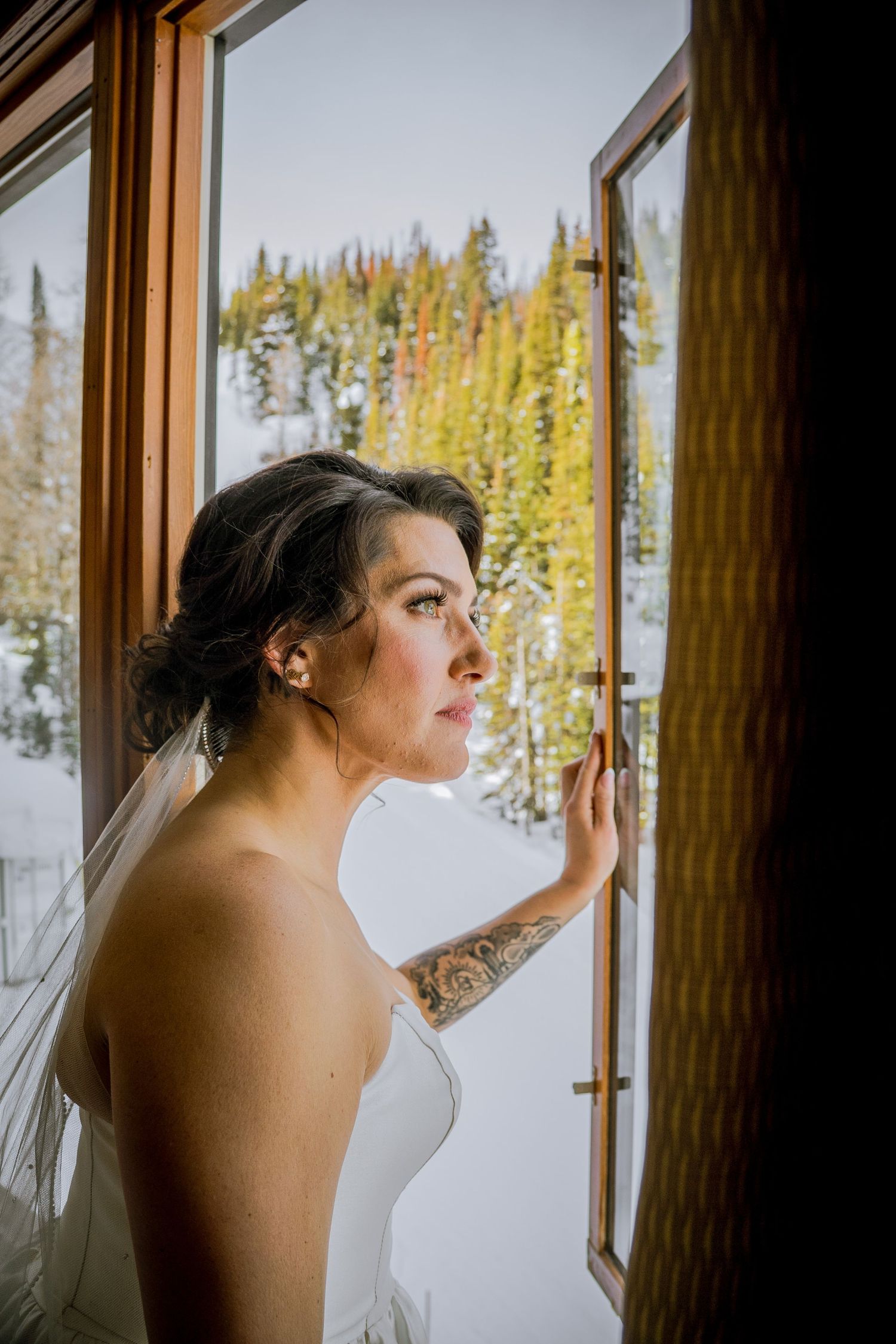


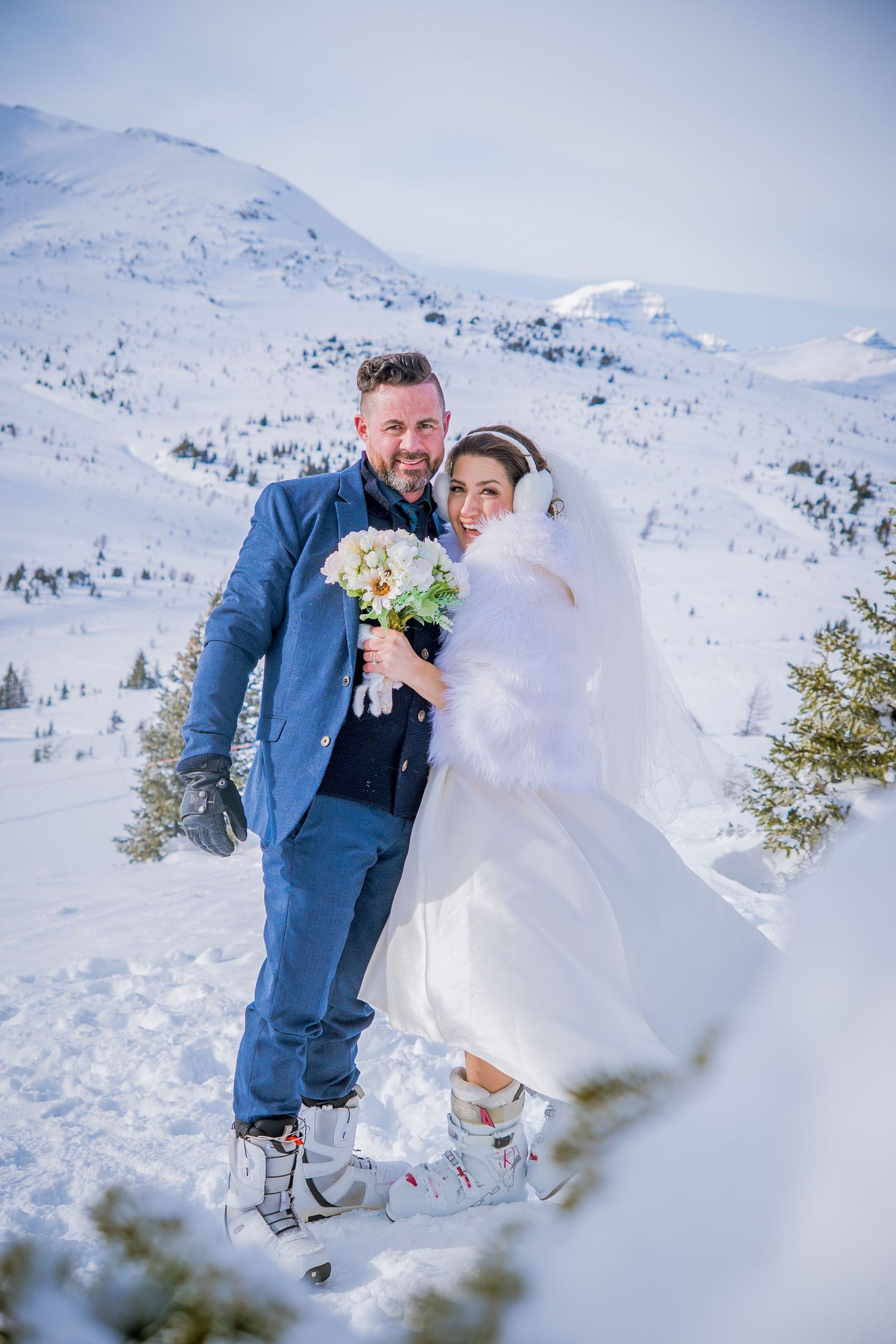
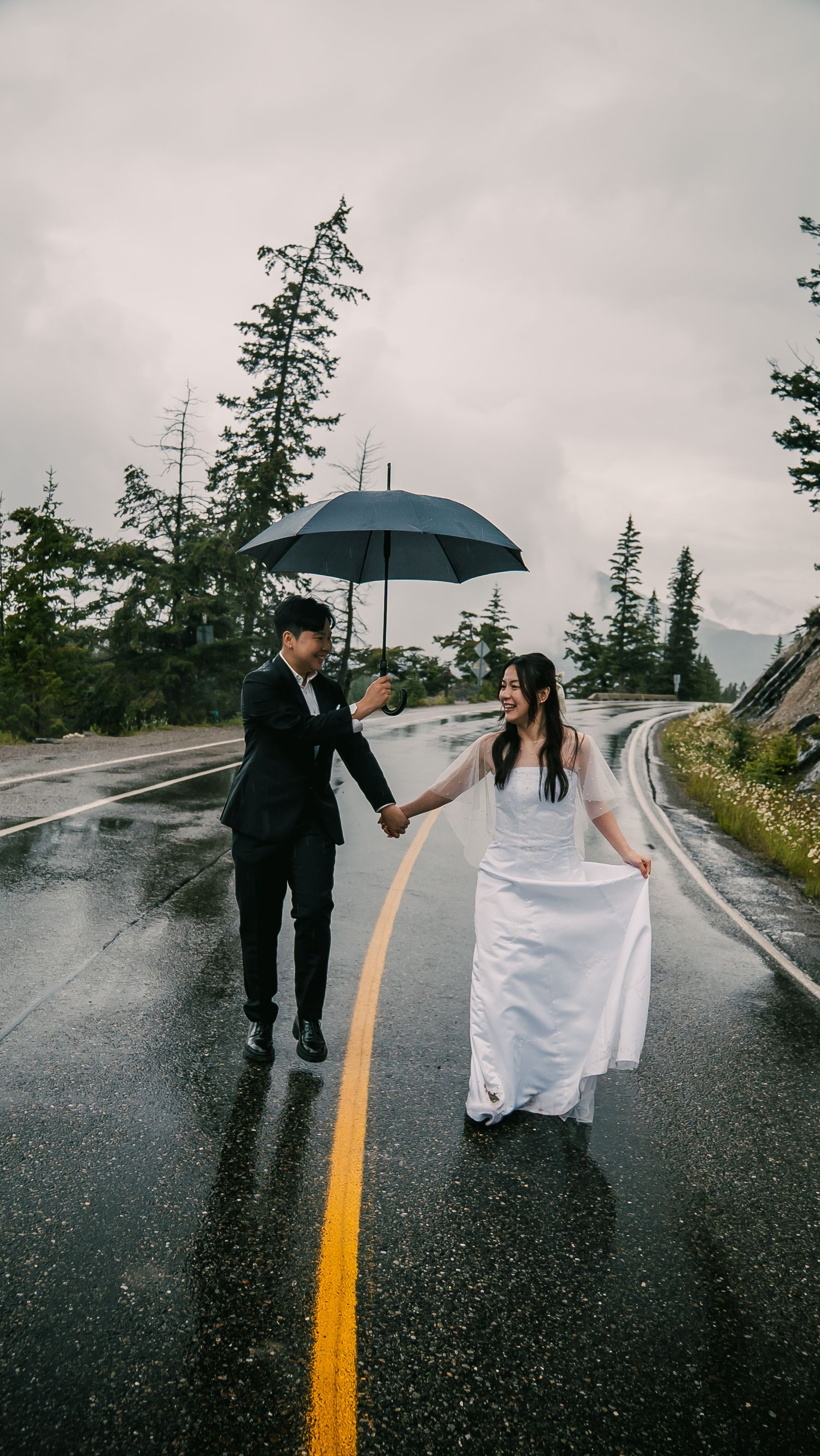
Final Thoughts: Your Timeline Should Serve You
A thoughtfully built timeline:
Reduces stress
Creates emotional space
Elevates your experience
Results in more meaningful photos
If you’re overwhelmed, that’s normal. Most couples have never built a day like this before—and you don’t have to do it alone.
✨ The right elopement timeline doesn’t control your day. It frees it.

Your Timeline Doesn’t Have to Be Perfect — Just Yours
From first light to the final glass of champagne, your elopement timeline should feel effortless, unrushed, and true to you. I help you design a day that flows naturally — around light, location, and what actually matters.